

Mar . 31, 2026 02:15 Back to list
Comprehensive Guide to Choosing the Right Welding Rod PVC for Optimal Results
Choosing the Right Welding Rod PVC: A Comprehensive Guide
When undertaking PVC welding projects, selecting the appropriate welding rod PVC is crucial for achieving strong, durable, and aesthetically pleasing results. This guide will delve into the key considerations for choosing the right rod, exploring different types, applications, and best practices. Understanding the nuances of PVC welding rods ensures the longevity and reliability of your finished products. We will explore how to choose the best rod for your specific needs, maximizing efficiency and quality.
Understanding Different Types of Welding Rod PVC
PVC welding rods aren't one-size-fits-all. They are categorized based on their chemical composition and intended application. The two primary types are Schedule 40 and Schedule 80. Schedule 40 rods are generally used for thinner-walled PVC pipes and fittings commonly found in irrigation and drainage systems. Schedule 80 rods are thicker and designed for high-pressure applications such as chemical processing and industrial plumbing. Choosing the correct schedule is vital for ensuring a weld that can withstand the intended pressure and temperature requirements. Additionally, different formulations exist to improve impact resistance or UV stability depending on the project’s needs.
Key Highlights: Schedule 40 is for thinner PVC; Schedule 80 is for higher pressure. Different formulations exist to improve impact resistance or UV stability.
Applications of Welding Rod PVC
The versatility of PVC welding rods makes them suitable for a wide array of applications. Common uses include constructing PVC pipe systems for plumbing, creating custom tanks and containers, repairing damaged PVC components, and fabricating various structural elements. The chemical resistance of PVC also makes it a popular choice for applications involving corrosive materials. Proper weld preparation and technique are essential for ensuring the durability and longevity of these applications. From DIY projects to large-scale industrial construction, PVC welding rods provide a reliable joining solution.
Application Benefits:
• Constructing PVC pipe systems
• Creating custom tanks and containers
• Repairing damaged PVC components
• Fabricating structural elements
Comparing PVC Welding Rods: Schedule 40 vs. Schedule 80
Selecting between Schedule 40 and Schedule 80 welding rod PVC often depends on the pressure and temperature requirements of the application. Schedule 80 provides greater wall thickness and, consequently, higher pressure resistance. Here’s a detailed comparison:
Factors to Consider When Choosing a Welding Rod PVC
Beyond Schedule 40 and 80, several other factors influence your welding rod PVC selection. Consider the type of PVC being welded (e.g., Type I, Grade 1). Ensure the rod’s composition matches the base material for optimal bonding. Environmental conditions also play a role – UV-resistant rods are crucial for outdoor applications. Finally, choose a reputable supplier like Lida Plastic to guarantee quality and consistency.
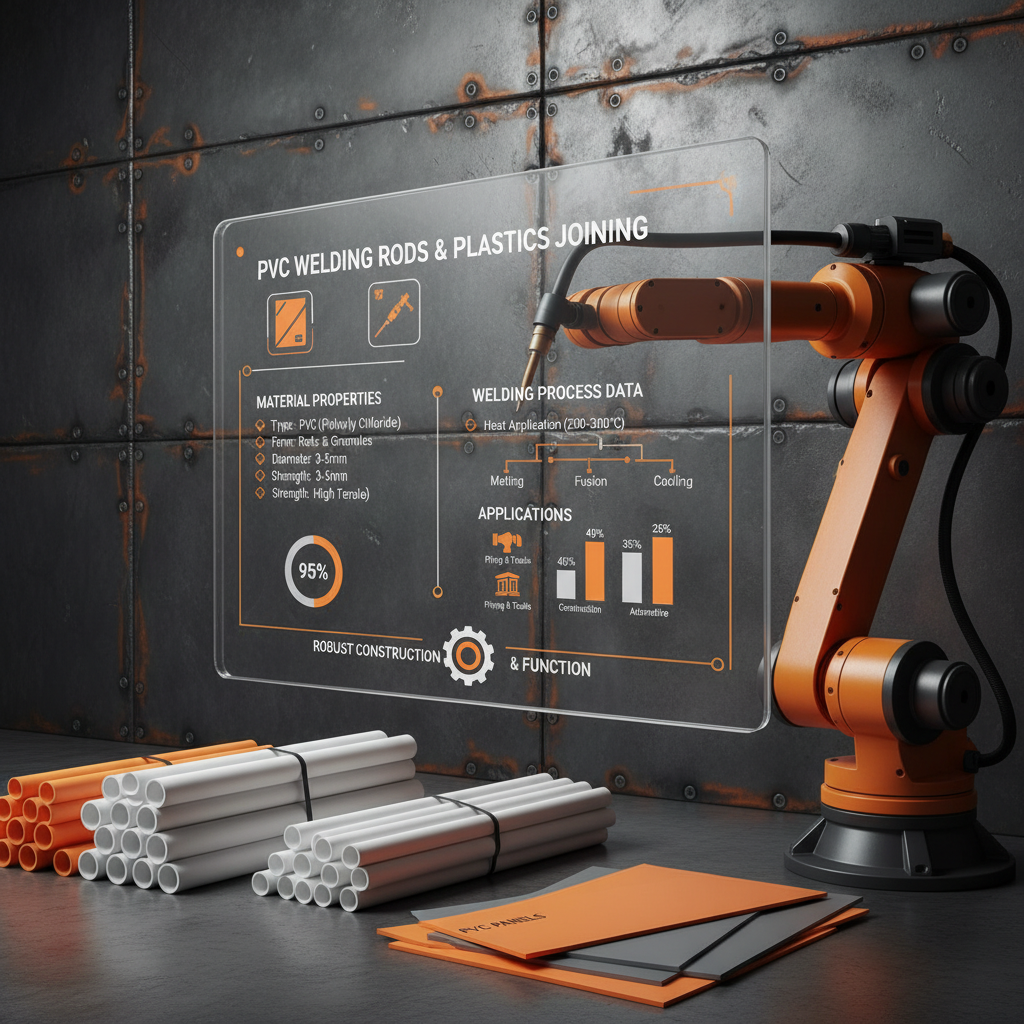
Product Specifications and Dimensions
Understanding the dimensions and specifications of our welding rod PVC is vital for ensuring compatibility with your project. Here's a quick guide:
Conclusion: Choosing the Right Welding Rod PVC for Success
Selecting the ideal welding rod PVC is crucial for ensuring the longevity, strength, and reliability of your PVC projects. By carefully considering the application, pressure requirements, and environmental factors, you can make an informed decision. Lida Plastic offers a wide range of high-quality welding rods to meet diverse needs. Invest in the right materials and achieve professional results.
Frequently Asked Questions (FAQs)
What is the best way to store welding rod PVC?
To maintain the quality and usability of your PVC welding rods, store them in a cool, dry place away from direct sunlight and extreme temperatures. Exposure to UV radiation can cause the rods to become brittle and weaken their bonding capabilities. Keep them in their original packaging or a sealed container to prevent moisture absorption. Proper storage will significantly extend the shelf life of the rods and ensure they perform optimally when needed.
Can I use any type of welding rod PVC for any PVC pipe?
No, it's crucial to match the welding rod to the type and schedule of the PVC pipe. Using an incompatible rod can result in a weak and unreliable weld. Always check the manufacturer's specifications for both the pipe and the rod to ensure compatibility. Schedule 40 rods should be used with Schedule 40 pipes, and Schedule 80 rods with Schedule 80 pipes. Different PVC formulations also require specific rod types.
What safety precautions should I take when welding PVC?
Welding PVC releases fumes that can be harmful if inhaled. Always work in a well-ventilated area and wear a respirator or face mask to protect your lungs. Safety glasses are essential to shield your eyes from sparks and debris. Gloves will protect your hands from heat and burns. It's also advisable to wear long sleeves and pants to minimize skin exposure. Always follow the manufacturer's safety guidelines for the welding equipment and materials.
Where can I find high-quality welding rod PVC?
Lida Plastic is a trusted supplier of high-quality PVC welding rods. We offer a wide selection of schedules and formulations to meet your specific project requirements. We are committed to providing consistent quality and excellent customer service.
-
Ultimate Guide to High Performance Industrial pvc dowel rods
NewsApr.16,2026
-
Industrial Guide to Using High Quality cpvc welding rod for Piping
NewsApr.09,2026
-
Comprehensive Guide to Selecting the Best Welding Rods for PVC Applications
NewsApr.07,2026
-
Comprehensive Guide to Solid PVC Rod Applications and Material Selection
NewsApr.04,2026
-
Comprehensive Guide to Choosing the Right Welding Rod PVC for Optimal Results
NewsMar.31,2026
-
Comprehensive Guide to 12mm HDPE Sheet Properties Applications and More
NewsMar.28,2026