

Apr . 04, 2026 02:25 Back to list
Comprehensive Guide to Solid PVC Rod Applications and Material Selection
Understanding Solid PVC Rod: Applications and Benefits
Solid PVC rod is a versatile plastic material widely used across various industries due to its durability, chemical resistance, and cost-effectiveness. From construction and manufacturing to DIY projects, understanding its properties and applications is crucial. This article provides a comprehensive guide to solid PVC rod, covering its key features, uses, sizing, and why choosing a reliable supplier like Lida Plastic is essential. We will explore its benefits over other materials and offer insights into maximizing its potential for your specific needs.
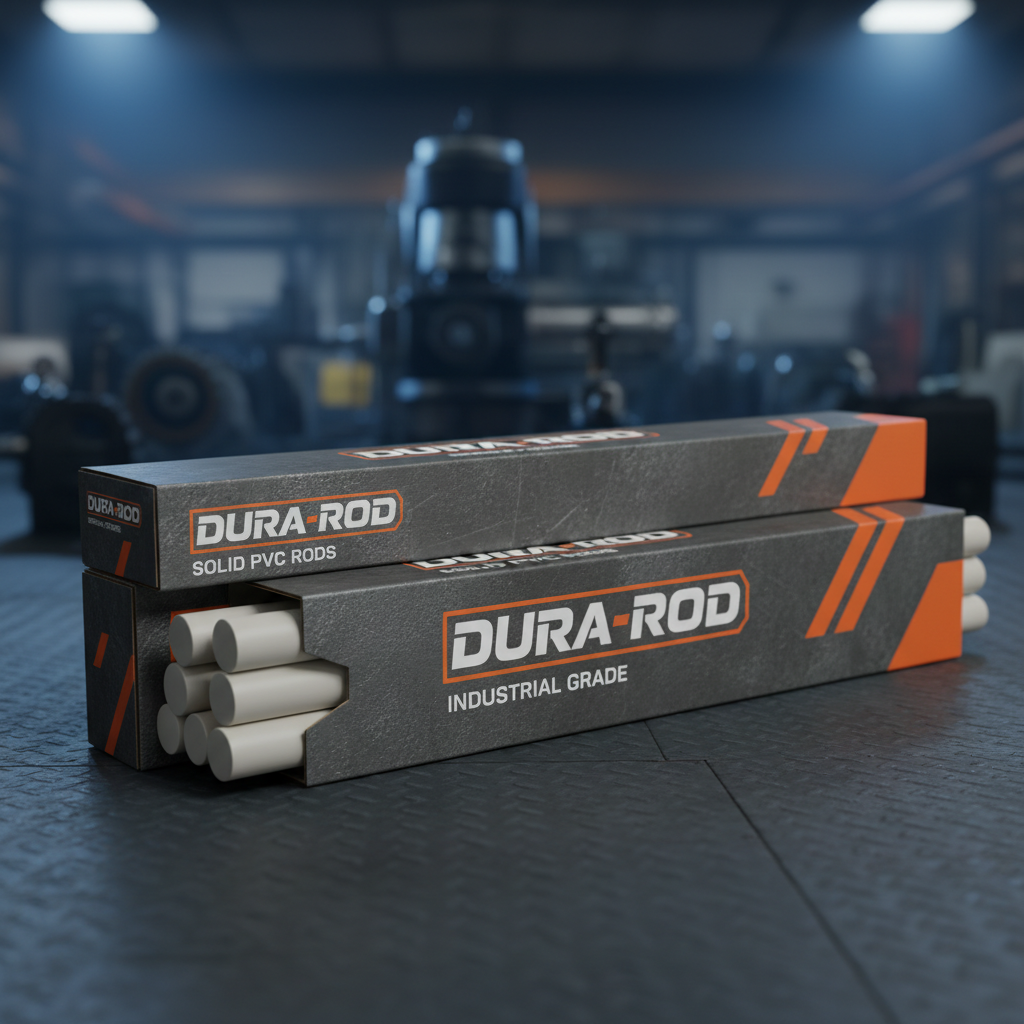
What is Solid PVC Rod?
Solid PVC (Polyvinyl Chloride) rod is a rigid thermoplastic extruded into a cylindrical shape. It's known for its excellent resistance to chemicals, moisture, and abrasion. Unlike flexible PVC, solid PVC retains its shape and provides structural support. Its non-conductive nature makes it ideal for electrical insulation applications. PVC rod is available in various diameters and lengths, catering to diverse project requirements. Lida Plastic offers a wide range of PVC rod sizes and custom options.
Key Features: Excellent chemical resistance, durable, non-conductive, readily machinable, cost-effective, and available in various sizes.
Common Applications of Solid PVC Rod
The versatility of solid PVC rod lends itself to a multitude of applications. In the construction industry, it's used for creating drainage systems, support structures, and signage. Manufacturing utilizes PVC rod for prototyping, tooling, and creating custom parts. DIY enthusiasts often employ it for crafting, model building, and home repair projects. Other common applications include: aquarium components, point-of-purchase displays, and electrical conduit. The ability to easily machine, cut, and weld PVC rod further expands its usability.
Application Areas:
• Construction: Drainage, supports, signage
• Manufacturing: Prototyping, tooling, custom parts
• DIY: Crafts, model building, home repair
• Other: Aquariums, displays, electrical conduit
Solid PVC Rod vs. Other Materials: A Comparison
When choosing a material for your project, it's important to consider the alternatives. While materials like metal and wood offer strength, they often lack PVC's resistance to corrosion and chemicals. Compared to other plastics, PVC provides a better balance of cost and performance. The following table highlights a comparison between solid PVC rod, metal, and wood:
Available Sizes and Specifications
Solid PVC rod is available in a broad range of diameters, typically from 1/8 inch to 4 inches. Lengths commonly range from 4 feet to 10 feet, but custom lengths are often available. Lida Plastic provides the following standard sizes:
Conclusion: Choose Lida Plastic for Quality PVC Rod
Selecting the right supplier is vital for ensuring the quality and consistency of your solid PVC rod. Lida Plastic is committed to providing high-quality products, competitive pricing, and excellent customer service. We offer a comprehensive selection of sizes, custom fabrication options, and prompt delivery to meet your project needs. Trust Lida Plastic for all your PVC rod requirements.
Frequently Asked Questions (FAQs)
What is the typical tensile strength of solid PVC rod?
The tensile strength of solid PVC rod typically ranges from 5,000 to 7,000 psi (pounds per square inch), depending on the specific formulation and manufacturing process. This strength allows it to withstand significant pulling forces without breaking, making it suitable for structural applications. However, it’s important to note that PVC is more brittle than some other plastics and can fracture under sudden impact. Choosing the correct diameter and grade of PVC rod is crucial for ensuring adequate strength for your application. Contact Lida Plastic to discuss your specific requirements.
Can solid PVC rod be painted?
Yes, solid PVC rod can be painted, but proper preparation is essential for good adhesion. The surface should be thoroughly cleaned with a degreasing agent and lightly sanded to create a better bonding surface. A PVC primer is highly recommended before applying paint, as it improves adhesion and prevents peeling. Use paints specifically designed for plastics, such as acrylic or enamel paints. Avoid solvent-based paints, as they can damage the PVC.
What are the temperature limitations of solid PVC rod?
Solid PVC rod has a working temperature range of approximately -20°F to 140°F (-29°C to 60°C). Exposure to temperatures outside this range can cause the material to become brittle or soften. Prolonged exposure to high temperatures can lead to deformation or degradation. It is not recommended for applications involving sustained high temperatures or extreme cold.
Is solid PVC rod recyclable?
Yes, solid PVC rod is recyclable, although the recycling process can be complex. PVC recycling requires specialized facilities. Check with your local recycling center to see if they accept PVC materials. Proper disposal is important to minimize environmental impact. Lida Plastic is committed to sustainable practices and supports responsible PVC recycling initiatives.
-
Ultimate Guide to High Performance Industrial pvc dowel rods
NewsApr.16,2026
-
Industrial Guide to Using High Quality cpvc welding rod for Piping
NewsApr.09,2026
-
Comprehensive Guide to Selecting the Best Welding Rods for PVC Applications
NewsApr.07,2026
-
Comprehensive Guide to Solid PVC Rod Applications and Material Selection
NewsApr.04,2026
-
Comprehensive Guide to Choosing the Right Welding Rod PVC for Optimal Results
NewsMar.31,2026
-
Comprehensive Guide to 12mm HDPE Sheet Properties Applications and More
NewsMar.28,2026