

Jan . 28, 2026 11:05 Back to list
Comprehensive Guide to Durable HDPE Drainage Pipe Systems and Applications
HDPE Drainage Pipe: A Comprehensive Guide
Choosing the right drainage system is critical for any construction or landscaping project. HDPE drainage pipe is a durable, cost-effective, and reliable solution for managing water runoff. This article will explore the benefits, applications, installation, and specifications of HDPE drainage pipes, offering insights for professionals and homeowners alike. Understanding the properties of HDPE drainage pipes is key to ensuring efficient and long-lasting water management.
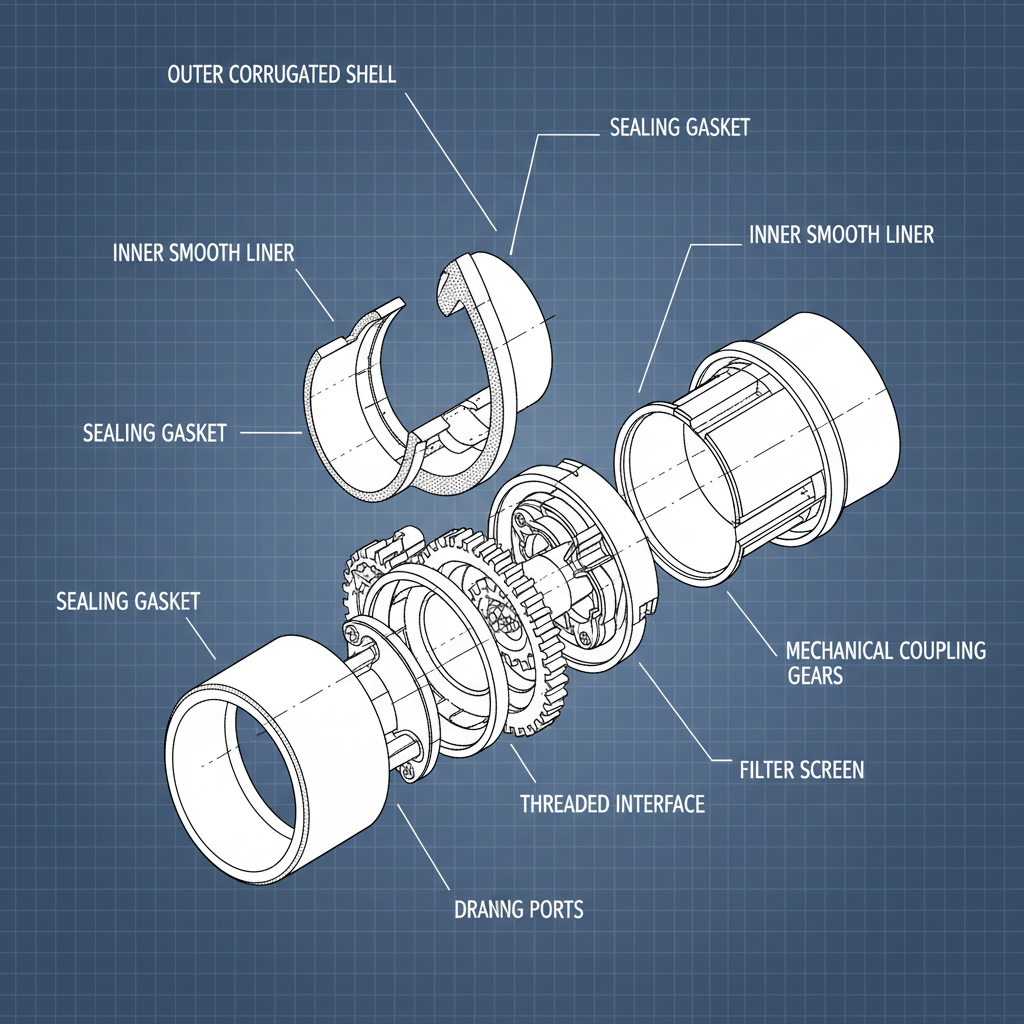
What is HDPE and Why Use It for Drainage?
HDPE, or High-Density Polyethylene, is a thermoplastic polymer known for its exceptional strength, flexibility, and resistance to chemicals and corrosion. This makes it an ideal material for drainage pipes, particularly in challenging environments. Unlike traditional materials like concrete or metal, HDPE pipes are lightweight, making them easier to install and transport. They are also incredibly durable, with a lifespan of 50+ years, requiring minimal maintenance. Lida Plastic’s HDPE pipes are manufactured to meet stringent quality standards, ensuring optimal performance and longevity.
Key Highlights: HDPE pipes are lightweight, durable, corrosion-resistant, and offer a long lifespan, minimizing maintenance costs.
Applications of HDPE Drainage Pipe
HDPE drainage pipes are versatile and suitable for a wide range of applications, including:
- Stormwater Drainage: Managing runoff from roofs, parking lots, and other impervious surfaces.
- Agricultural Drainage: Removing excess water from fields to improve crop yields.
- Landscaping Drainage: Preventing waterlogging in gardens and lawns.
- Wastewater Drainage: Transporting wastewater in residential and commercial settings.
- French Drains: Creating subsurface drainage systems to redirect groundwater.
HDPE Drainage Pipe vs. Other Drainage Materials
When selecting a drainage pipe, it’s important to compare the different materials available. Here’s a comparison of HDPE against common alternatives:
Installation Considerations for HDPE Drainage Pipe
Proper installation is crucial for the optimal performance of your drainage system. Here are some key considerations:
- Slope: Ensure a consistent slope to allow gravity to effectively drain water.
- Bedding: Provide adequate bedding material (gravel or sand) to support the pipe and prevent damage.
- Joints: Use appropriate joining methods, such as butt fusion or electrofusion, to create watertight connections.
- Depth: Bury the pipe at a sufficient depth to protect it from traffic and frost heave.
- Inspection: Regularly inspect the system for blockages or damage.
Consult with a qualified contractor to ensure proper installation and adherence to local building codes. Lida Plastic offers technical support and guidance to assist with your project.
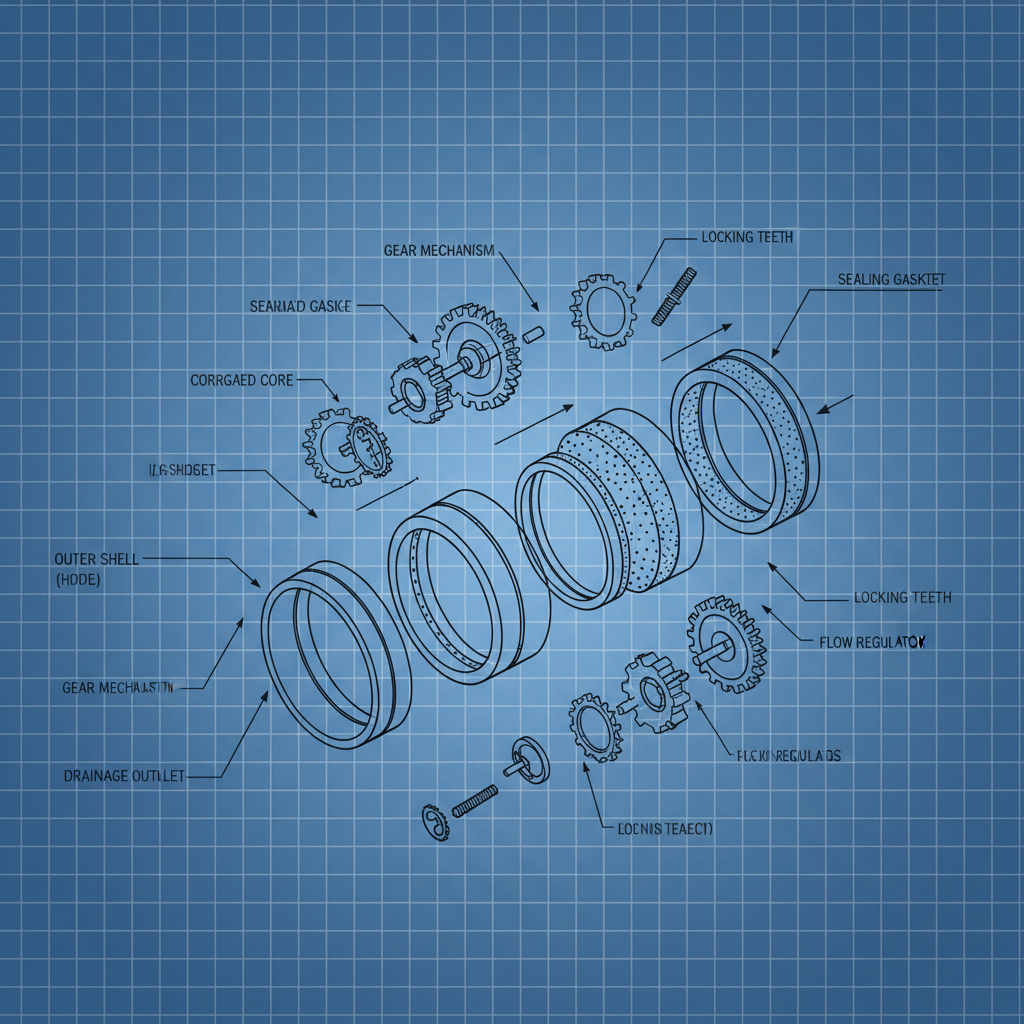
HDPE Drainage Pipe Specifications
HDPE drainage pipes are available in a variety of sizes and dimensions to meet different project requirements. Here’s a look at common specifications:
Conclusion: Choosing the Right Drainage Solution
HDPE drainage pipe offers a durable, cost-effective, and reliable solution for managing water runoff. With its resistance to corrosion, chemicals, and impact, it’s a long-lasting investment that minimizes maintenance and ensures optimal performance. By carefully considering your project requirements and choosing the right specifications, you can create an efficient and effective drainage system.
Frequently Asked Questions (FAQs)
What is the typical lifespan of HDPE drainage pipe?
HDPE drainage pipe is exceptionally durable and typically boasts a lifespan of 50 years or more when properly installed and maintained. Its resistance to corrosion, chemicals, and UV degradation contributes to its longevity. However, factors like soil conditions, loading stresses, and exposure to extreme temperatures can affect its lifespan. Regular inspections are recommended to identify any potential issues early on.
What are the advantages of using HDPE pipe over PVC pipe for drainage?
While both HDPE and PVC are viable drainage options, HDPE offers several advantages. HDPE is significantly more durable and impact-resistant than PVC, making it less prone to cracking or breakage. It’s also more flexible, allowing it to withstand ground movement and temperature fluctuations. HDPE is resistant to a wider range of chemicals and offers superior long-term performance, particularly in challenging environments.
How do I properly connect sections of HDPE drainage pipe?
There are several methods for connecting HDPE pipe, including butt fusion, electrofusion, and compression fittings. Butt fusion is the most common and reliable method for larger diameter pipes, creating a permanent, leak-proof joint. Electrofusion is often used for smaller diameters or complex connections. Compression fittings offer a quick and easy solution, but may not be as durable as fused joints. It’s crucial to follow the manufacturer's instructions and use the appropriate tools and techniques to ensure a secure and watertight connection.
Is HDPE drainage pipe suitable for use in all soil types?
Yes, HDPE drainage pipe is generally suitable for use in a wide range of soil types. However, it’s important to consider the specific soil conditions, such as corrosivity and load-bearing capacity. In highly corrosive soils, additional protection may be necessary. Proper bedding and backfilling are also crucial to provide adequate support and prevent damage. Consulting with a geotechnical engineer can help determine the best approach for your specific site.
-
Ultimate Guide to High Performance Industrial pvc dowel rods
NewsApr.16,2026
-
Industrial Guide to Using High Quality cpvc welding rod for Piping
NewsApr.09,2026
-
Comprehensive Guide to Selecting the Best Welding Rods for PVC Applications
NewsApr.07,2026
-
Comprehensive Guide to Solid PVC Rod Applications and Material Selection
NewsApr.04,2026
-
Comprehensive Guide to Choosing the Right Welding Rod PVC for Optimal Results
NewsMar.31,2026
-
Comprehensive Guide to 12mm HDPE Sheet Properties Applications and More
NewsMar.28,2026