

Feb . 26, 2026 02:15 Back to list
Comprehensive Guide to Understanding HDPE Spec Sheets and Material Properties
Understanding HDPE Spec Sheets: A Comprehensive Guide
High-Density Polyethylene (HDPE) is a versatile thermoplastic polymer widely used in diverse applications, from packaging and containers to pipes and automotive parts. A crucial element in selecting the right HDPE material for a specific application is understanding its HDPE spec sheet. This document details the material's physical, mechanical, and chemical properties, ensuring it meets the required performance standards. At Lida Plastic, we prioritize providing detailed and accurate spec sheets for all our HDPE products, empowering our clients to make informed decisions. This article provides a deep dive into understanding HDPE spec sheets, their key components, and their importance in ensuring product quality and safety.
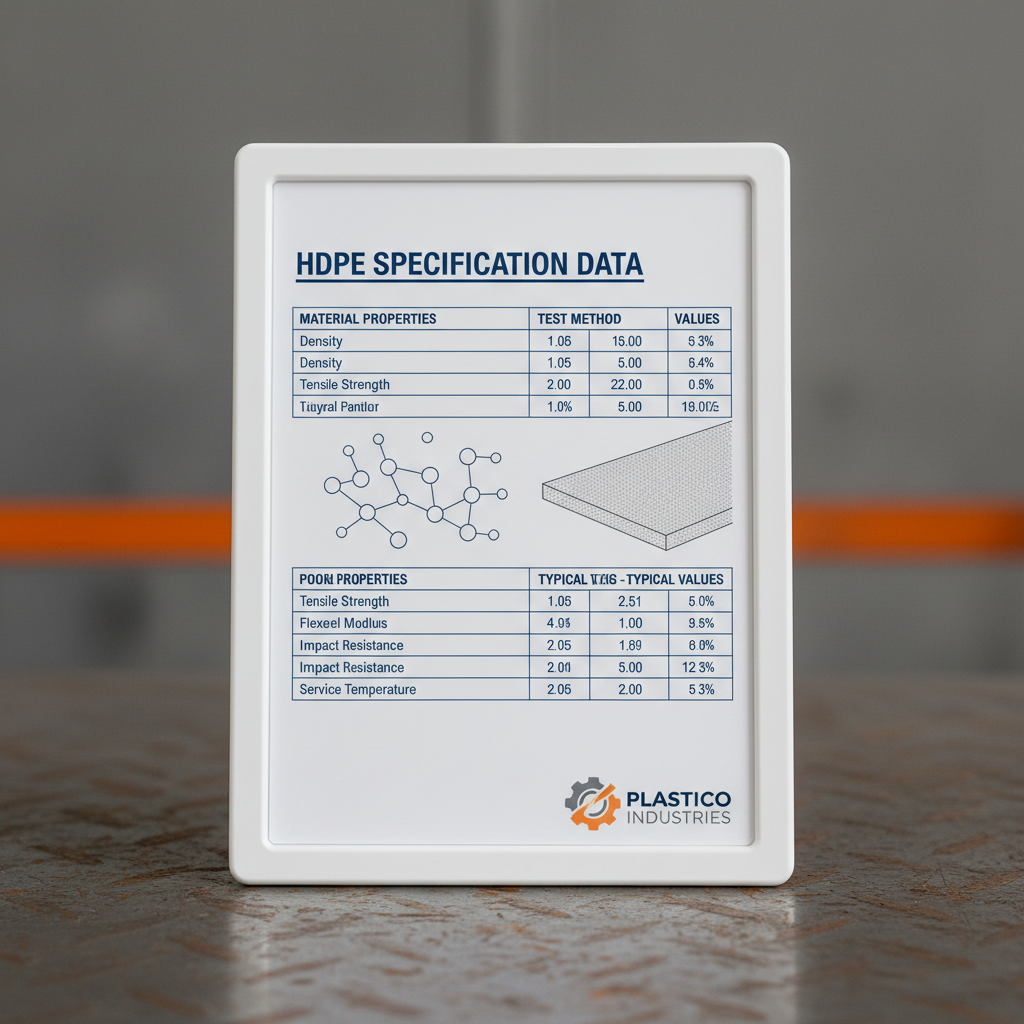
Key Components of an HDPE Spec Sheet
An HDPE spec sheet isn’t just a list of numbers; it’s a comprehensive overview of the material’s capabilities. Key sections typically include: Density, measured in g/cm³, impacting strength and processability; Melt Flow Index (MFI), indicating ease of processing; Tensile Strength, the resistance to breaking under tension; Elongation at Break, the material’s ability to stretch before breaking; Flexural Modulus, measuring stiffness; Impact Strength, the material’s ability to withstand sudden force; Hardness, measured using scales like Shore D; and Chemical Resistance, detailing compatibility with various substances. Understanding these parameters is vital for successful application.
Key Highlights: An HDPE spec sheet details density, melt flow index, tensile strength, elongation at break, flexural modulus, impact strength, hardness, and chemical resistance.
Decoding Physical Properties on an HDPE Spec Sheet
Physical properties listed on an HDPE spec sheet provide essential information about the material's behavior. Density, for example, directly influences the weight and strength of the final product. Higher density generally leads to greater rigidity and impact resistance. MFI is crucial for processing techniques like injection molding or extrusion; a higher MFI indicates easier flow. Understanding these properties allows engineers to predict how the HDPE will perform during manufacturing and in its intended application. At Lida Plastic, we offer HDPE grades with varying physical properties to meet specific client requirements.
Physical Properties Explained:
• Density: Impacts weight and strength.
• Melt Flow Index (MFI): Determines ease of processing.
• Hardness: Resistance to indentation.
• Color: Affects aesthetic and UV resistance.
Comparing HDPE Grades: A Spec Sheet Analysis
Different HDPE grades offer varying properties tailored to specific applications. Comparing HDPE spec sheets is essential for selecting the optimal material. For instance, HDPE with a higher density and molecular weight exhibits greater strength and rigidity, making it ideal for applications like pipes and containers. Conversely, lower-density HDPE is more flexible and suitable for film and packaging. Below is a comparative overview of two common HDPE grades:
Chemical Resistance and HDPE Spec Sheets
Chemical resistance is a critical factor in many applications. An HDPE spec sheet will detail the material's compatibility with various acids, bases, solvents, and other chemicals. This information is typically presented as a resistance rating (e.g., Excellent, Good, Fair, Poor). Understanding these ratings is vital to prevent degradation, swelling, or cracking of the HDPE material. For applications involving chemical storage or handling, carefully reviewing the chemical resistance section of the spec sheet is paramount.
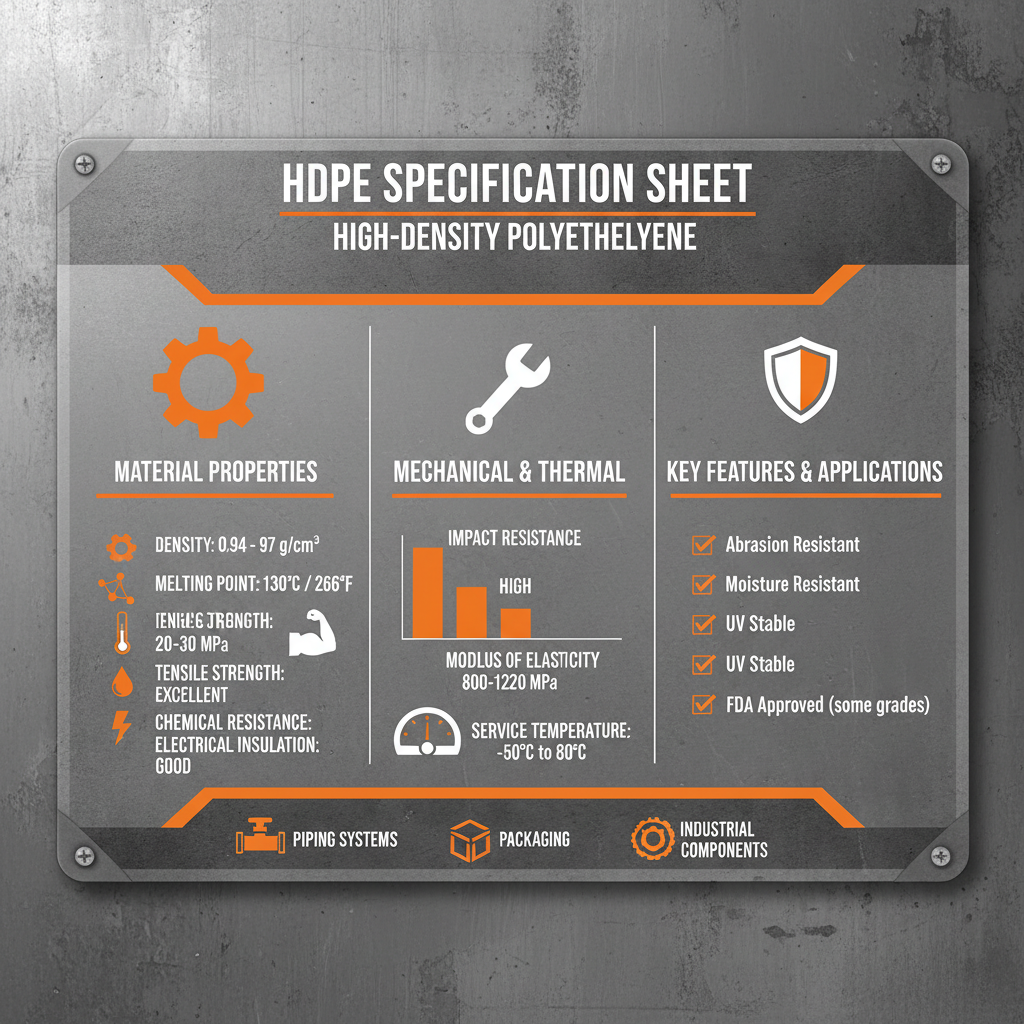
Conclusion: Utilizing HDPE Spec Sheets for Optimal Performance
Mastering the interpretation of an HDPE spec sheet is essential for engineers, designers, and purchasers. By understanding the key properties and comparing different grades, you can select the optimal material for your application, ensuring product quality, durability, and safety. Lida Plastic is dedicated to providing comprehensive spec sheets and expert support to help you make informed decisions. Don't hesitate to contact us if you require assistance in selecting the right HDPE material for your needs.
Frequently Asked Questions (FAQs)
Where can I find a reliable HDPE spec sheet?
Reputable plastic manufacturers and suppliers, like Lida Plastic, provide detailed HDPE spec sheets on their websites. Ensure the sheet is specific to the exact grade of HDPE you're considering. Avoid relying on generic spec sheets, as properties can vary significantly between grades. Always download from the manufacturer’s official website to ensure accuracy and avoid outdated information.
What does 'virgin HDPE' mean, and how does it affect the spec sheet?
'Virgin HDPE' refers to polyethylene that has not been previously processed or recycled. It offers superior mechanical properties and purity compared to recycled HDPE. The spec sheet for virgin HDPE will typically show higher values for tensile strength, impact resistance, and elongation. Recycled HDPE spec sheets will generally exhibit lower values due to the degradation of the polymer during reprocessing. Choosing virgin HDPE is crucial for applications requiring consistent performance and high reliability.
How important is the date of the spec sheet?
The date of the spec sheet is very important. Manufacturing processes and material formulations can change over time. An outdated spec sheet may not accurately reflect the current properties of the HDPE. Always use the most recent spec sheet available from the manufacturer to ensure you're working with accurate information and making informed decisions. Manufacturers often update spec sheets to reflect improvements or changes in their production processes.
What should I do if I can't find a specific property on the HDPE spec sheet?
If a property you need isn't listed on the spec sheet, contact the manufacturer directly. They can often provide additional data or customized spec sheets tailored to your specific requirements. It's also possible the property isn't relevant for that particular grade of HDPE. Don’t assume a value; always confirm with the supplier to ensure you have accurate information for your application.
-
Ultimate Guide to High Performance Industrial pvc dowel rods
NewsApr.16,2026
-
Industrial Guide to Using High Quality cpvc welding rod for Piping
NewsApr.09,2026
-
Comprehensive Guide to Selecting the Best Welding Rods for PVC Applications
NewsApr.07,2026
-
Comprehensive Guide to Solid PVC Rod Applications and Material Selection
NewsApr.04,2026
-
Comprehensive Guide to Choosing the Right Welding Rod PVC for Optimal Results
NewsMar.31,2026
-
Comprehensive Guide to 12mm HDPE Sheet Properties Applications and More
NewsMar.28,2026