

Mar . 14, 2026 02:25 Back to list
Comprehensive Guide to Durable Marine HDPE Sheets and Their Applications
Understanding Marine HDPE Sheets: A Comprehensive Guide
When considering materials for marine applications, durability, corrosion resistance, and lightweight properties are paramount. Marine HDPE sheets offer a compelling solution, providing exceptional performance in harsh saltwater environments. This article will delve into the benefits, applications, and key considerations when choosing HDPE for your marine projects. We'll explore why Lida Plastic's HDPE sheets are a trusted choice for marine professionals.
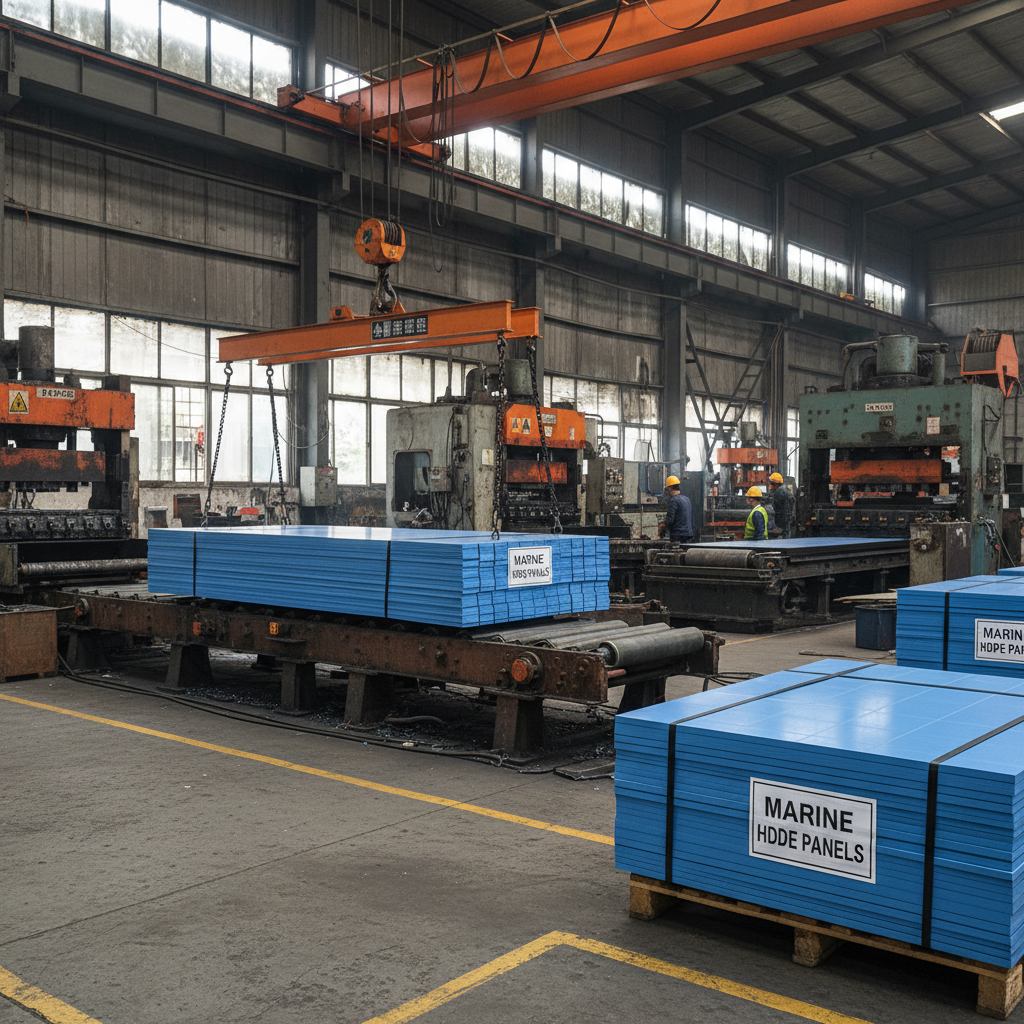
What are Marine HDPE Sheets?
High-Density Polyethylene (HDPE) is a thermoplastic polymer known for its high strength-to-density ratio. Marine grade HDPE sheets are specifically formulated to withstand prolonged exposure to saltwater, UV radiation, and extreme temperatures. Unlike metals, HDPE doesn't corrode, eliminating the need for costly maintenance and repairs. It's also incredibly impact-resistant, making it ideal for applications where durability is crucial. The inherent properties of HDPE make it significantly lighter than traditional materials like steel or aluminum, contributing to fuel efficiency and easier handling.
Key Highlights: Marine HDPE sheets are corrosion-resistant, UV stabilized, impact-resistant, and lightweight, making them a superior choice for marine applications.
Key Benefits of Using Marine HDPE Sheets
The advantages of utilizing marine HDPE sheets extend beyond just material properties. HDPE is incredibly versatile and can be easily fabricated using standard woodworking tools. This simplifies installation and reduces labor costs. Its low moisture absorption prevents swelling or degradation over time, ensuring long-term performance. Furthermore, HDPE is chemically inert, meaning it won't react with common marine substances like fuel, oil, or cleaning agents. This further contributes to its longevity and reduces the risk of contamination. Choosing Lida Plastic guarantees high-quality, UV-stabilized HDPE sheets tailored for demanding marine environments.
Marine HDPE Benefits:
• Corrosion Resistance
• UV Stabilization
• Impact Resistance
• Lightweight
• Easy Fabrication
Marine HDPE Sheets: Applications
The versatility of marine HDPE sheets makes them suitable for a wide range of applications. These include: marine fenders, dock pilings, boat hull liners, fish farming tanks, kayak construction, and various structural components. Their resistance to barnacle growth is also a significant advantage, reducing maintenance and drag. They are frequently used in saltwater aquariums, providing a safe and inert environment for aquatic life. The inherent buoyancy of HDPE also makes it useful for creating floats and other buoyant structures.
Choosing the Right Marine HDPE Sheet: Key Considerations
When selecting marine HDPE sheets, consider the thickness, UV stabilization level, and color. Thickness is determined by the application's structural requirements. Higher UV stabilization is essential for prolonged outdoor exposure. Black HDPE offers the best UV protection, but other colors are available. Ensure the sheet meets relevant industry standards, such as ASTM D4976. Working with a reputable supplier like Lida Plastic ensures you receive high-quality, certified materials.
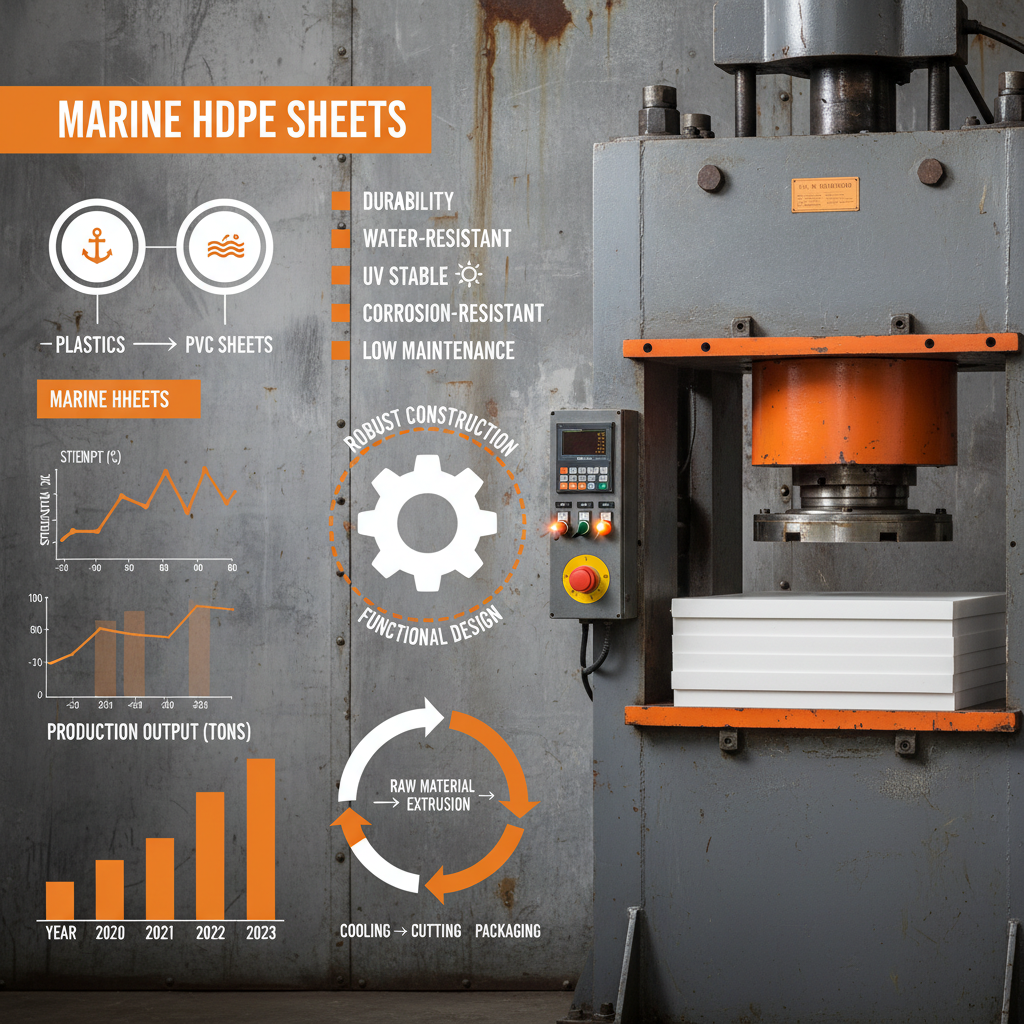
Product Specifications (Example)
Below is an example of common marine HDPE sheet specifications. Actual specifications may vary, so consult with Lida Plastic for detailed information.
Conclusion: Choosing Lida Plastic for Your Marine HDPE Needs
Investing in high-quality marine HDPE sheets from a trusted supplier like Lida Plastic ensures long-term durability, corrosion resistance, and peace of mind. Our commitment to quality and customization allows us to meet the unique requirements of your marine projects. Contact us today to discuss your specific needs and receive a quote.
Frequently Asked Questions (FAQs)
What is the lifespan of marine HDPE sheets?
With proper installation and maintenance, marine HDPE sheets can last for decades. Their inherent resistance to corrosion and UV degradation significantly extends their lifespan compared to traditional materials. However, it’s crucial to inspect them periodically for any physical damage. The lifespan is also dependent on the specific application and environmental conditions. Choosing high-quality, UV-stabilized HDPE from a reputable supplier, like Lida Plastic, will maximize its longevity. Expect a functional lifespan of 20-30 years or more with minimal maintenance.
Can marine HDPE sheets be recycled?
Yes, HDPE is a highly recyclable material. This makes it an environmentally friendly choice for marine applications. Recycled HDPE can be used to create new products, reducing landfill waste and conserving resources. Lida Plastic is committed to sustainable practices and responsible material sourcing. Contact us to learn more about our recycling initiatives and options.
How easy is it to fabricate marine HDPE sheets?
Marine HDPE sheets are remarkably easy to fabricate using standard woodworking tools such as saws, drills, and routers. They can be easily cut, shaped, welded, and fastened. This allows for flexible design and customization, reducing fabrication costs and time. The material doesn't splinter, making it safer to work with. Proper ventilation should be used when welding to avoid inhaling fumes.
What are the temperature limitations of marine HDPE sheets?
Marine HDPE sheets generally perform well in a wide range of temperatures, from -40°C to +80°C (-40°F to +176°F). However, prolonged exposure to extremely high temperatures can cause the material to soften. It is important to consult the specific product data sheet for detailed temperature specifications. The UV stabilization additives help to mitigate the effects of prolonged sun exposure, preventing brittleness and degradation.
-
Ultimate Guide to High Performance Industrial pvc dowel rods
NewsApr.16,2026
-
Industrial Guide to Using High Quality cpvc welding rod for Piping
NewsApr.09,2026
-
Comprehensive Guide to Selecting the Best Welding Rods for PVC Applications
NewsApr.07,2026
-
Comprehensive Guide to Solid PVC Rod Applications and Material Selection
NewsApr.04,2026
-
Comprehensive Guide to Choosing the Right Welding Rod PVC for Optimal Results
NewsMar.31,2026
-
Comprehensive Guide to 12mm HDPE Sheet Properties Applications and More
NewsMar.28,2026