

Jan . 27, 2026 21:45 Back to list
Comprehensive Guide to Durable and Reliable Solid HDPE Pipe Solutions
Solid HDPE Pipe: A Comprehensive Guide
High-Density Polyethylene (HDPE) pipe is a versatile and durable solution for a wide array of applications, from water distribution to industrial processes. Lida Plastic specializes in providing high-quality solid HDPE pipe designed to meet stringent industry standards. This article will delve into the benefits, applications, and key considerations when choosing solid HDPE pipe, offering a comprehensive overview for engineers, contractors, and anyone involved in fluid handling systems. Selecting the right piping material is crucial for long-term performance and cost-effectiveness.
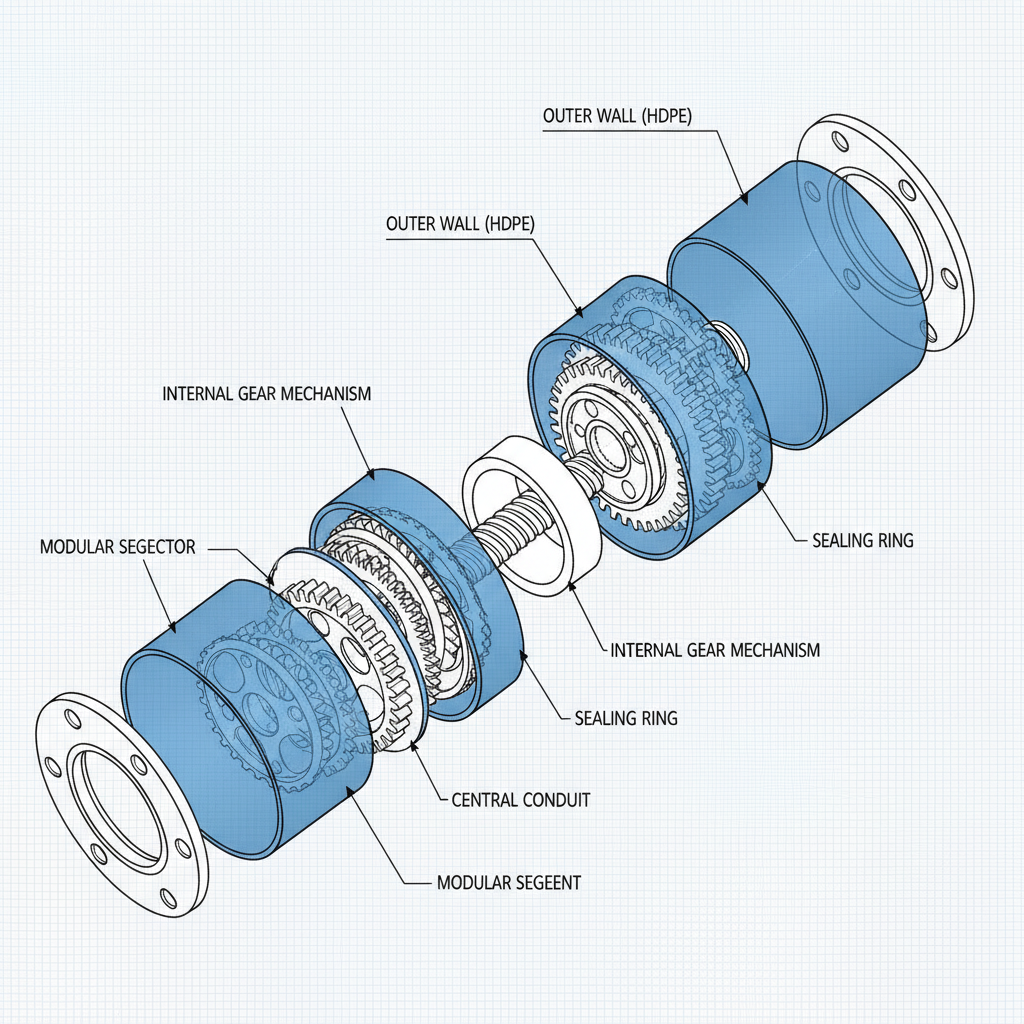
What is Solid HDPE Pipe and Why Choose It?
Solid HDPE pipe is manufactured from a thermoplastic polymer known for its high strength-to-density ratio. Unlike some other piping materials, it’s entirely solid, offering superior structural integrity. This makes it an excellent choice for demanding applications where reliability and longevity are paramount. Key benefits of solid HDPE pipe include its excellent chemical resistance, making it suitable for transporting a wide range of fluids, even those with corrosive properties. It is also lightweight compared to metal alternatives, simplifying installation and reducing labor costs. Furthermore, HDPE is a recyclable material, contributing to sustainable construction practices.
Key Highlights: Excellent chemical resistance, lightweight, recyclable, superior structural integrity, and long-lasting durability.
Key Applications of Solid HDPE Pipe
The versatility of solid HDPE pipe makes it suitable for numerous applications across diverse industries. Some of the most common uses include potable water distribution, wastewater and sewer systems, irrigation, industrial fluid transport, mining operations, and drainage systems. Its resistance to corrosion and scaling makes it an ideal choice for long-term underground installations. Because it’s inherently resistant to many chemicals, HDPE pipe is frequently utilized in the chemical processing industry, handling a variety of corrosive and aggressive substances.
Application Benefits:
• Potable water distribution: Safe and reliable for drinking water.
• Wastewater and sewer systems: Resistant to corrosion and degradation.
• Industrial fluid transport: Handles corrosive and aggressive chemicals.
• Mining operations: Durable and reliable in harsh environments.
Solid HDPE Pipe vs. Other Piping Materials
When selecting a piping material, it’s important to consider the alternatives. While PVC, metal (steel, iron), and concrete pipes all have their applications, solid HDPE pipe often offers a superior combination of properties. Metal pipes are prone to corrosion, requiring ongoing maintenance and potentially leading to leaks. PVC can become brittle over time and may not be suitable for high-pressure applications. Concrete pipes are heavy and difficult to install. Solid HDPE pipe provides a long-term, low-maintenance solution that often results in lower overall lifecycle costs. Lida Plastic’s solid HDPE pipe stands out for its consistent quality and adherence to industry standards.
Choosing the Right Solid HDPE Pipe for Your Project
Selecting the appropriate solid HDPE pipe requires careful consideration of several factors. These include the intended application, the fluid being transported, operating pressure, temperature, and local regulations. Lida Plastic offers a variety of pipe diameters and pressure ratings to meet diverse project requirements. It is vital to ensure the pipe meets relevant standards, such as ASTM or EN, to guarantee its performance and safety. Proper installation techniques are also crucial for maximizing the lifespan of the piping system.
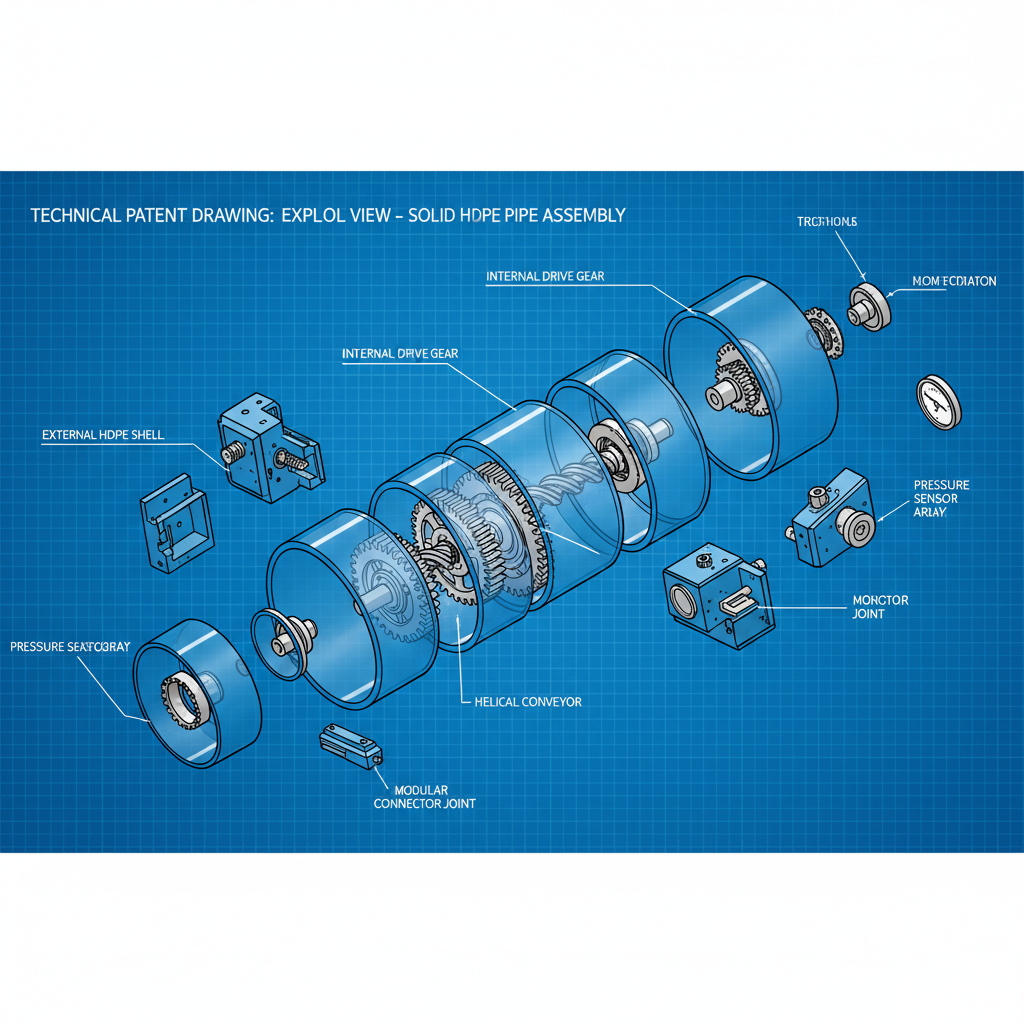
Product Specifications & Dimensions
Here’s a table showing typical specifications. Please contact us for specific dimensions and customizations:
Conclusion: Investing in a Reliable Piping Solution
Solid HDPE pipe offers a compelling combination of durability, versatility, and cost-effectiveness, making it an excellent choice for a wide range of applications. Lida Plastic is committed to providing high-quality solid HDPE pipe and expert support to ensure your project’s success. Choose a solution that’s built to last – choose Lida Plastic.
Frequently Asked Questions (FAQs)
What is the expected lifespan of solid HDPE pipe?
Solid HDPE pipe is known for its exceptional longevity. When properly installed and used within its specified operating parameters, it can last for 50 years or more. Its resistance to corrosion, chemical degradation, and UV exposure contributes to its long lifespan. However, factors like soil conditions, operating pressure, and fluid temperature can influence the actual lifespan. Regular inspections are recommended to identify any potential issues early on.
How is solid HDPE pipe joined?
Solid HDPE pipe can be joined using several methods, including butt fusion, socket fusion, and electrofusion. Butt fusion is the most common method for larger diameter pipes, creating a strong, leak-proof joint. Socket fusion and electrofusion are typically used for smaller diameters. Proper training and adherence to industry standards are crucial for ensuring successful and reliable joints. Lida Plastic can provide guidance on the appropriate joining methods for your specific application.
Is HDPE pipe suitable for potable water applications?
Yes, solid HDPE pipe is widely used for potable water distribution. It is non-toxic, does not leach harmful chemicals into the water, and is resistant to corrosion and scaling, ensuring the water remains clean and safe. HDPE pipe used for potable water applications must meet specific standards, such as NSF/ANSI 61, which certifies its suitability for contact with drinking water. Lida Plastic provides HDPE pipe certified for potable water applications.
-
Ultimate Guide to High Performance Industrial pvc dowel rods
NewsApr.16,2026
-
Industrial Guide to Using High Quality cpvc welding rod for Piping
NewsApr.09,2026
-
Comprehensive Guide to Selecting the Best Welding Rods for PVC Applications
NewsApr.07,2026
-
Comprehensive Guide to Solid PVC Rod Applications and Material Selection
NewsApr.04,2026
-
Comprehensive Guide to Choosing the Right Welding Rod PVC for Optimal Results
NewsMar.31,2026
-
Comprehensive Guide to 12mm HDPE Sheet Properties Applications and More
NewsMar.28,2026