

Sep . 12, 2025 09:40 Back to list
Reliable, Durable PPR Pipe for Water Plumbing Systems
Introduction to Polypropylene Random Copolymer Piping Solutions
In the demanding landscape of modern industrial and commercial infrastructure, the selection of appropriate piping materials is paramount to ensuring operational efficiency, safety, and long-term cost-effectiveness. Among the myriad options, PPR Pipe (Polypropylene Random Copolymer Pipe) has emerged as a leading solution, widely recognized for its superior performance characteristics. This advanced thermoplastic piping system is engineered from random copolymer polypropylene, offering a robust and reliable alternative to traditional metal and PVC piping for a diverse range of applications. Its unique molecular structure provides excellent resistance to high temperatures and pressures, making it an indispensable component in both residential and industrial fluid transport systems.
The demand for high-performance, sustainable, and cost-efficient piping solutions has driven the widespread adoption of PPR Pipe across various sectors. Its inherent properties, such as resistance to corrosion, chemical inertness, and exceptional durability, translate into significant advantages over the entire lifecycle of an installation. This article delves into the technical intricacies, application benefits, and market positioning of PPR piping, providing B2B decision-makers and engineers with a comprehensive understanding of its value proposition.
Industry Trends and Market Dynamics
The global market for PPR piping is experiencing robust growth, driven by increasing infrastructure development, a strong emphasis on sustainable construction, and the ongoing replacement of aging piping systems. According to recent industry analyses, the global plastic pipes market, which includes PPR Pipe, is projected to reach approximately $110 billion by 2027, with a compound annual growth rate (CAGR) exceeding 6% from 2022. Key drivers include rapid urbanization in developing economies, stringent regulations promoting lead-free and non-corrosive plumbing materials, and a growing awareness of the long-term economic benefits associated with high-quality polymer systems.
Sustainability is a paramount concern, and PPR piping aligns perfectly with green building initiatives. Its manufacturing process is energy-efficient compared to metal pipes, and its inert nature prevents leaching of harmful substances into water, ensuring environmental compliance and public health safety. The trend towards smart building management systems also benefits PPR solutions, as their integration into modern plumbing designs allows for optimized flow dynamics and reduced maintenance, contributing to overall energy savings and operational reliability. Furthermore, the global shift towards water conservation and efficient resource management underscores the importance of leak-proof, long-lasting piping, a characteristic inherent to quality PPR installations.
Manufacturing Process of PPR Pipe
The production of high-quality PPR Pipe involves a sophisticated and precisely controlled extrusion process, ensuring consistency, strength, and integrity. The primary raw material is Polypropylene Random Copolymer (PP-R), a thermoplastic polymer characterized by its random distribution of ethylene monomers within the polypropylene chain, which enhances its heat and pressure resistance.
PPR Pipe Manufacturing Process Flow
Detailed Steps:
- Raw Material Feeding: High-quality PP-R granules are fed into an extruder. These granules often contain stabilizers and UV inhibitors to enhance performance and longevity.
- Heating & Melting: Inside the extruder, the granules are gradually heated to their melting point (typically 170-200°C) and homogenized through a rotating screw, ensuring a consistent melt temperature and viscosity.
- Die Forming: The molten polymer is then forced through a precision die, which shapes it into the desired pipe diameter and wall thickness.
- Cooling: Immediately after exiting the die, the pipe enters a vacuum calibration tank and then a cooling bath, usually filled with water, to solidify its form rapidly and maintain dimensional accuracy. Controlled cooling prevents internal stresses and ensures structural integrity.
- Pulling & Calibration: A haul-off unit continuously pulls the pipe through the cooling bath at a consistent speed, while a calibrator ensures the precise outer diameter.
- Cutting & Stacking: Once cooled and sized, the continuous pipe is cut into standard lengths by an automatic cutter and then stacked or coiled for storage.
- Quality Control & Testing: Each batch undergoes rigorous testing. This includes hydrostatic pressure tests, impact strength tests, melt flow rate (MFR) analysis, and dimensional verification. Adherence to international standards like ISO 15874, DIN 8077/8078, and often local certifications such as DVGW or WRAS, is critical.
The meticulous control over each stage ensures that the final PPR Pipe exhibits exceptional long-term hydrostatic strength, a service life often exceeding 50 years under specified conditions, and unparalleled resistance to chemical attack and microbial growth. These properties make PPR ideal for target industries such as petrochemicals (for non-aggressive fluid transport), metallurgy (cooling water lines), and critically, municipal water supply and drainage systems, where corrosion resistance and energy efficiency (due to smooth internal surfaces) are paramount.
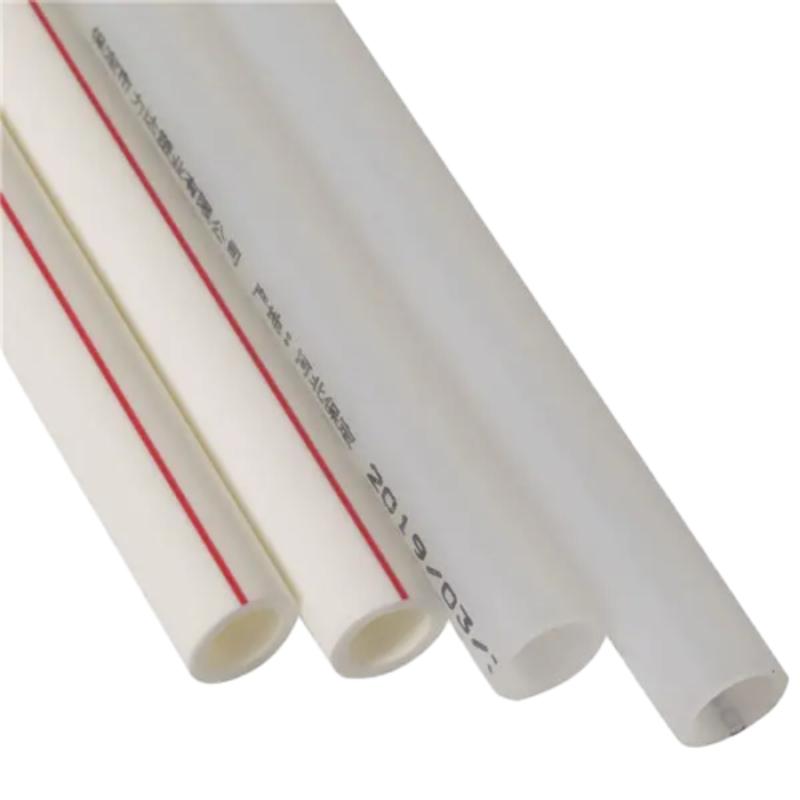
Image: High-precision extrusion process for PPR piping systems.
Technical Specifications and Performance Parameters
PPR Pipe is engineered to meet rigorous performance standards, making it suitable for a wide array of demanding applications. Its technical superiority stems from the intrinsic properties of polypropylene random copolymer. Below is a detailed breakdown of critical specifications:
The specific pressure nominal (PN) ratings, such as PN10 (10 bar), PN16 (16 bar), PN20 (20 bar), and PN25 (25 bar), indicate the maximum allowable working pressure at 20°C. For elevated temperatures, a derating factor is applied. For instance, at 70°C, a PN20 PPR Pipe might only safely handle 6-8 bar, highlighting the importance of proper system design and material selection based on specific operational parameters. The smooth internal surface of PPR pipes, characterized by a very low roughness coefficient, minimizes friction losses, thereby reducing pumping energy requirements and preventing scale build-up, a common issue in metal piping systems.
Key Technical Advantages
The adoption of PPR Pipe in B2B projects is driven by a host of compelling technical and operational advantages:
- Superior Corrosion Resistance: Unlike metallic pipes, PPR is entirely resistant to galvanic and electrolytic corrosion. This feature eliminates the risk of rust and scale formation, preserving water quality and maintaining consistent flow rates over decades. This is particularly crucial in aggressive water conditions or industrial environments.
- Excellent Chemical Resistance: PPR is chemically inert to a wide range of acids, bases, and aggressive solutions, making it suitable for chemical transport in industrial settings where specific compatibility is confirmed.
- High Temperature and Pressure Performance: Engineered for hot and cold water applications, PPR pipes can withstand continuous temperatures up to 95°C and intermittent peaks higher, combined with high-pressure capabilities (up to PN25), ensuring reliability in demanding systems.
- Energy Efficiency: The low thermal conductivity of PPR (0.24 W/m·K) significantly reduces heat loss in hot water lines and heat gain in cold water lines compared to metal pipes. This translates directly into substantial energy savings for heating and cooling systems over the operational life of the building or facility.
- Longevity and Durability: With a projected service life of 50 years or more under appropriate conditions, PPR systems offer exceptional durability and a low total cost of ownership, minimizing replacement and maintenance expenditures.
- Hygienic and Non-Toxic: PPR is a physiologically harmless material. It does not leach chemicals, heavy metals, or alter the taste, color, or odor of water, making it ideal for potable water supply systems. Its smooth inner surface also inhibits bacterial growth and bio-film formation.
- Ease of Installation and Cost-Effectiveness: PPR pipes and fittings are joined using fusion welding (polyfusion), creating a homogeneous, leak-proof joint stronger than the pipe itself. This process is quick, simple, and requires minimal specialized tooling, leading to faster installation times and reduced labor costs. Their lightweight nature also simplifies handling and transport.
- Reduced Noise and Vibration: The elastic properties of PPR absorb noise and vibration from fluid flow, contributing to a quieter operating environment, especially beneficial in commercial buildings and hospitals.
Application Scenarios and Target Industries
The versatility and robust performance of PPR Pipe make it an ideal choice for a diverse range of application scenarios across multiple target industries:
- Hot and Cold Potable Water Supply: This is the primary application, from residential buildings to large-scale commercial and industrial facilities. PPR ensures safe, clean, and efficient delivery of drinking water.
- Heating and Cooling Systems (HVAC): PPR is extensively used for radiant heating systems, central heating distribution, and chiller lines. Its low thermal conductivity reduces energy waste, and its corrosion resistance prevents system degradation.
- Industrial Fluid Transport: In industries like petrochemicals, mining, and chemical processing, PPR can transport various non-aggressive chemicals, cooling water, and process fluids, offering excellent resistance where metal pipes would corrode.
- Compressed Air Systems: Its smooth bore reduces pressure drop, and its non-corrosive nature prevents rust particles from contaminating the air, which is critical for pneumatic tools and machinery.
- Agriculture and Horticulture: For irrigation systems and greenhouse heating, PPR's durability, resistance to UV degradation (when properly stabilized), and long service life provide a reliable solution.
- Shipbuilding: Due to its lightweight, corrosion resistance, and ease of installation, PPR is increasingly used for water and drainage systems on marine vessels.
In large-scale water supply and drainage projects, PPR Pipe significantly reduces maintenance costs over decades. In industrial facilities, its resistance to chemical and thermal stresses provides an indispensable advantage, ensuring system uptime and worker safety. Feedback from project managers consistently highlights PPR's contribution to faster project completion and reduced operational expenditures due to its reliability and low maintenance requirements.
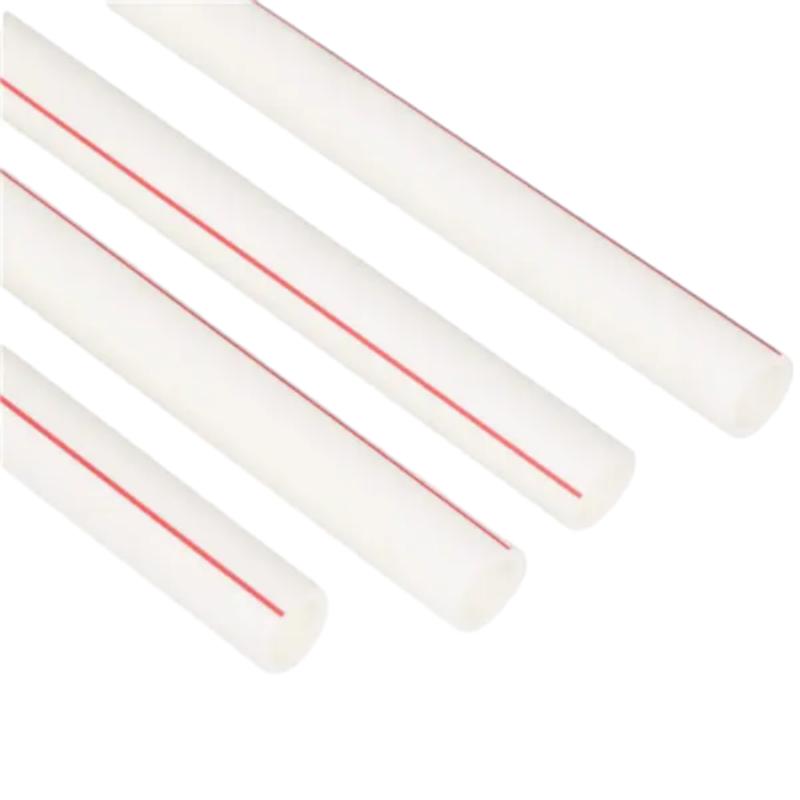
Image: PPR piping system installation in a commercial building, highlighting versatility.
Vendor Comparison and Selection Criteria
Selecting the right supplier for PPR Pipe systems is crucial for ensuring project success and long-term reliability. While many manufacturers offer PPR products, significant differences can exist in material quality, manufacturing precision, and after-sales support. B2B decision-makers should consider the following criteria:
- Material Quality & Certifications: Ensure the manufacturer uses virgin PP-R Type 3 polymer, not recycled materials. Look for international certifications like ISO 9001 (quality management), ISO 14001 (environmental management), and product-specific standards like ISO 15874, DIN 8077/8078, and potable water approvals (e.g., DVGW, WRAS, NSF).
- Manufacturing Consistency: A reputable vendor will demonstrate consistent wall thickness, uniform material distribution, and precise pipe dimensions, crucial for reliable fusion welding.
- Product Range & Availability: A comprehensive range of pipe diameters, pressure ratings (PN), and compatible fittings (couplings, elbows, tees, reducers, valves) ensures all project requirements can be met. Good stock levels and efficient logistics are also vital.
- Technical Support & Expertise: Access to experienced technical support for system design, installation guidance, and troubleshooting can significantly de-risk complex projects.
- Warranty & After-Sales Service: A strong warranty policy (e.g., 10+ years) and responsive after-sales service are indicators of a manufacturer's confidence in their product and commitment to customer satisfaction.
Customized Solutions
Recognizing that every B2B project has unique requirements, leading PPR Pipe manufacturers offer customized solutions to ensure optimal system performance and seamless integration. Customization options often include:
- Special Diameters and Wall Thicknesses: Beyond standard PN ratings, pipes can be manufactured to specific dimensions to meet unusual flow rates, pressure demands, or space constraints.
- Color Coding: Pipes can be produced in specific colors for easy identification of different fluid lines (e.g., hot water, cold water, chilled water, chemical lines) within a complex industrial facility.
- Pre-fabrication Services: For large projects, pre-welded sections or complex manifolds can be factory-fabricated, significantly reducing on-site installation time, labor costs, and potential for errors.
- Advanced Fittings and Connectors: Development of bespoke fittings for specialized equipment connections or integration with existing legacy systems.
- Material Additives: Inclusion of specific UV stabilizers for outdoor applications or antimicrobial agents for ultra-hygienic environments.
These tailored services empower engineers and project managers to design highly efficient and purpose-built piping networks that perfectly match their operational needs, minimizing waste and maximizing performance.
Real-world Application Case Studies
The proven track record of PPR Pipe in diverse, challenging environments underscores its reliability and efficiency.
-
Case Study 1: Large-Scale Hospitality Complex (Dubai)
A luxury hotel and residential complex in Dubai required a potable water supply system capable of handling high temperatures and pressures common in the region, while ensuring water purity for thousands of occupants. The project opted for a comprehensive PPR piping system (PN20) for its hot and cold water distribution. The installation involved over 50 kilometers of PPR pipes and fittings. Post-installation, feedback from the facility management team highlighted a significant reduction in noise transmission compared to previous metal systems, zero instances of leakage after 5 years of operation, and observable energy savings on water heating, attributing to PPR's low thermal conductivity. The system's hygienic properties were also verified through regular water quality testing, consistently meeting stringent health standards.
-
Case Study 2: Industrial Chemical Plant (Germany)
A chemical manufacturing plant needed a robust piping solution for transporting cooling water and certain process chemicals (diluted acids and alkalis) within its production facilities. Traditional metallic pipes suffered from rapid corrosion, leading to frequent maintenance and costly downtime. By implementing a customized PPR system, including specialized PPR-reinforced pipes for higher temperature sections, the plant achieved unprecedented chemical resistance and extended operational life. Engineers praised the ease and speed of installation using polyfusion welding, which minimized disruption during the plant's upgrade. The system has now been in continuous operation for 8 years without any corrosion-related failures, demonstrating significant cost savings in maintenance and material replacement.
-
Case Study 3: Urban District Heating Network (Eastern Europe)
A municipal project to modernize an aging district heating network sought a durable, energy-efficient solution for secondary distribution loops to residential buildings. PPR pipes with an aluminum layer (PPR-AL-PPR) were chosen for their reduced thermal expansion and oxygen barrier properties. This solution allowed for direct burial without extensive insulation, simplifying installation. The smooth inner surface ensured minimal pressure loss, contributing to the overall efficiency of the network. Data collected post-implementation showed a measurable decrease in heat loss across the distribution network, translating into lower energy bills for residents and reduced carbon emissions for the city.
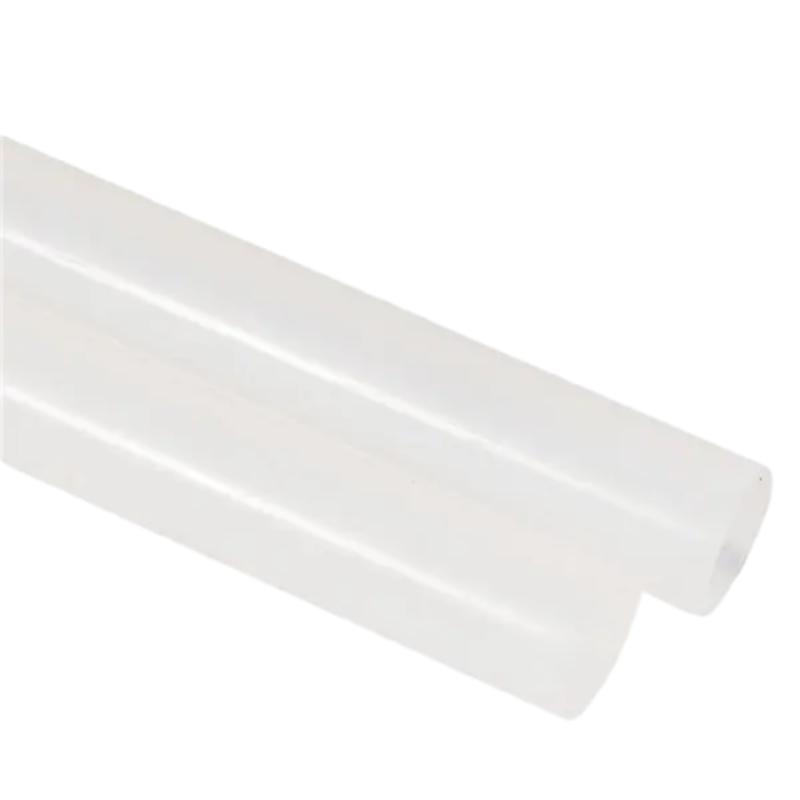
Image: Robust PPR fittings ensuring secure, leak-proof connections.
Ensuring Trustworthiness and Support
Frequently Asked Questions (FAQs)
Q1: What is the maximum operating temperature for PPR pipes?
A1: PPR pipes are designed for continuous operation up to 95°C for hot water systems. However, the maximum allowable pressure will decrease with increasing temperature. For specific applications, always refer to the pipe's pressure-temperature derating chart.
Q2: How does PPR pipe installation differ from metal pipe installation?
A2: PPR pipes are joined using heat fusion (polyfusion), where pipes and fittings are heated simultaneously and then pressed together to form a homogeneous, molecular bond. This eliminates the need for threading, soldering, or welding, reducing labor and ensuring leak-proof connections. The tools required are lighter and simpler than those for metal pipes.
Q3: Is PPR suitable for outdoor use where it might be exposed to sunlight?
A3: Standard PPR pipes can be affected by UV radiation over prolonged exposure, leading to degradation. For outdoor applications, it is essential to use PPR pipes that are specifically formulated with UV stabilizers or to ensure the pipes are adequately protected from direct sunlight exposure. PPR pipes with an outer layer of UV-resistant material are also available.
Lead Time and Fulfillment
We maintain robust production capacities and optimized supply chain logistics to meet diverse project timelines. Standard PPR pipe and fitting orders typically have a lead time of 7-14 business days, depending on order volume and specific customization requirements. For large-scale projects or urgent demands, expedited manufacturing and shipping options are available. Our dedicated logistics team works closely with clients to ensure on-time delivery, minimizing project delays and streamlining fulfillment.
Warranty Commitments
We stand behind the quality and durability of our PPR Pipe products with a comprehensive 10-year warranty against manufacturing defects and material failures under normal operating conditions. This commitment reflects our confidence in our stringent quality control processes and the superior performance of our PP-R materials. Full warranty terms and conditions are available upon request and provided with every order.
Customer Support and After-Sales Service
Our commitment extends beyond product delivery. We provide extensive customer support and after-sales service, including:
- Technical consultation for system design and material selection.
- On-site or remote installation guidance and training for project teams.
- Prompt response to inquiries and troubleshooting assistance.
- Availability of spare parts and accessories.
Authoritativeness and Certifications
Our dedication to quality and reliability is underlined by rigorous adherence to international standards and a robust suite of certifications. Our manufacturing facilities operate under an ISO 9001 certified Quality Management System, ensuring consistent product excellence. Products are regularly tested and certified by independent bodies to meet industry benchmarks, including:
- ISO 15874: For plastic piping systems for hot and cold water installations – Polypropylene (PP).
- DIN 8077/8078: German standards specifying requirements for PP pipes.
- CE Marking: Conforming to European health, safety, and environmental protection standards.
- NSF/ANSI Standard 61: For drinking water system components (where applicable).
- WRAS Approval (UK): For products used in water supply, confirming compliance with water regulations.
- DVGW Certification (Germany): For gas and water applications, signifying high levels of safety and quality.
These certifications are a testament to our commitment to delivering products that not only meet but exceed the expectations of B2B clients, ensuring compliance and peace of mind. With over two decades of operational excellence in plastic pipe manufacturing, we have established ourselves as a trusted partner for numerous multinational corporations and public utilities worldwide. Our long-standing partnerships with leading engineering firms and construction companies further attest to our authoritative position in the market.
Conclusion
PPR Pipe represents a pinnacle of modern piping technology, offering an unbeatable combination of durability, efficiency, and cost-effectiveness for a vast array of B2B applications. Its technical advantages—from superior corrosion and chemical resistance to exceptional thermal performance and ease of installation—make it the preferred choice for engineers and project managers seeking reliable, long-term solutions. By choosing a reputable manufacturer committed to stringent quality standards and comprehensive customer support, businesses can leverage the full potential of PPR piping systems to optimize their infrastructure, reduce operational costs, and contribute to sustainable development goals.
References
- Plastics Pipe Institute. (2023). The Advantages of PP-R Piping Systems for Potable Water. Retrieved from plasticpipe.org.
- International Organization for Standardization. (2020). ISO 15874: Plastic piping systems for hot and cold water installations — Polypropylene (PP).
- European Plastic Pipes and Fittings Association. (2022). Technical Report: Service Life of Polypropylene (PP) Pipe Systems. Retrieved from tepfa.eu.
- Market Research Future. (2023). Plastic Pipes Market Research Report – Global Forecast to 2027.
-
Ultimate Guide to High Performance Industrial pvc dowel rods
NewsApr.16,2026
-
Industrial Guide to Using High Quality cpvc welding rod for Piping
NewsApr.09,2026
-
Comprehensive Guide to Selecting the Best Welding Rods for PVC Applications
NewsApr.07,2026
-
Comprehensive Guide to Solid PVC Rod Applications and Material Selection
NewsApr.04,2026
-
Comprehensive Guide to Choosing the Right Welding Rod PVC for Optimal Results
NewsMar.31,2026
-
Comprehensive Guide to 12mm HDPE Sheet Properties Applications and More
NewsMar.28,2026