

Sep . 13, 2025 10:00 Back to list
HDPE Double Wall Corrugated Pipe | Durable & Efficient Drainage
Overview and Industry Landscape
In modern infrastructure development, the selection of robust and durable piping solutions is paramount. The HDPE double wall corrugated pipe represents a critical advancement in fluid conveyance and drainage systems. This pipe design, characterized by its high-density polyethylene construction and distinctive double-wall structure – a smooth inner wall for optimal flow and a corrugated outer wall for enhanced structural integrity – addresses the growing demand for efficient, long-lasting, and environmentally sustainable piping. Its versatility and performance make it indispensable across a spectrum of demanding applications, from municipal storm sewers to industrial wastewater management.
Current industry trends underscore a shift towards materials offering superior resilience, extended service life, and ease of installation. With increasing urbanization and climate change impacts, the need for robust drainage and conduit systems that can withstand extreme weather events and aggressive soil conditions is escalating. HDPE piping solutions, including the double wall corrugated variant, align perfectly with these trends, offering excellent resistance to abrasion, chemical corrosion, and seismic activity. Furthermore, the push for sustainable construction practices favors materials with lower carbon footprints and recyclability, areas where HDPE excels. The market is also seeing increased demand for larger diameter pipes and specialized fittings, driving innovation in manufacturing processes and material science to meet complex engineering challenges globally.
Manufacturing Process Flow for HDPE Double Wall Corrugated Pipe
The production of HDPE double wall corrugated pipe is a highly precise and technologically advanced extrusion process, ensuring consistent quality and performance characteristics. The primary material, high-density polyethylene resin (HDPE), is selected for its superior strength-to-density ratio, chemical inertness, and impact resistance. The manufacturing process typically involves the following key stages:
- Material Feeding and Blending: High-grade HDPE pellets are fed into a hopper. Depending on application requirements, specific additives such as UV stabilizers, antioxidants, and colorants are precisely blended to enhance the pipe's longevity and performance under various environmental conditions.
- Extrusion: The blended HDPE material is then conveyed into a high-performance single-screw or twin-screw extruder. Here, under controlled heat and pressure, the pellets melt into a homogeneous molten polymer.
- Co-extrusion of Inner and Outer Layers: A sophisticated co-extrusion die system simultaneously forms two distinct layers. The inner layer is extruded as a smooth, uniform tube, crucial for minimizing flow resistance. Concurrently, the outer layer is extruded into a corrugated profile, which provides exceptional annular stiffness and crush resistance.
- Corrugation and Shaping: The still-molten outer layer enters a corrugator, where it is vacuum-formed against precision molds or mandrels to create the characteristic corrugated structure. This step is critical for achieving the pipe's structural strength and maintaining its precise dimensions.
- Cooling: After shaping, the pipe rapidly passes through a cooling tank, typically filled with water, to solidify the HDPE material and set its dimensions. Controlled cooling prevents warping and ensures dimensional stability.
- Haul-off and Cutting: A haul-off unit precisely pulls the solidified pipe through the production line at a consistent speed. The pipe is then cut to specified lengths by an automated cutting saw, often equipped with chamfering capabilities for ease of jointing.
- Quality Control and Testing: Throughout the process, continuous monitoring and post-production testing are conducted. This includes dimensional checks (diameter, wall thickness), ring stiffness tests (e.g., to ASTM F894, EN 13476 standards), impact resistance, and material melt flow rate. These rigorous testing protocols ensure compliance with international standards such as ISO 21138, ASTM F405/F894, and EN 13476, guaranteeing a service life exceeding 50 years under normal operating conditions.
Target industries for these pipes include petrochemical, metallurgy, mining, municipal water supply & drainage, agricultural irrigation, and telecommunications. Advantages in typical scenarios include significant energy savings due to smooth bore and reduced friction, exceptional corrosion resistance against acids, bases, and salts, and superior abrasion resistance compared to traditional materials like concrete or ductile iron.
Technical Specifications and Parameters
Understanding the technical specifications of HDPE double wall corrugated pipe is crucial for engineers and project managers to ensure optimal system design and performance. Key parameters dictate the pipe's suitability for various applications, directly impacting its structural integrity, hydraulic efficiency, and longevity. The following table provides typical specifications based on common industry standards:
| Parameter | Value/Range | Standard/Unit | Description |
|---|---|---|---|
| Nominal Diameter (DN/ID) | 110 mm - 1200 mm | mm | Internal diameter, crucial for flow capacity. |
| Ring Stiffness (SN) | SN4, SN8, SN16 | kN/m² | Indicates resistance to vertical deflection under load. (e.g., EN ISO 9969) |
| Material Density | 0.93 - 0.96 | g/cm³ | High-Density Polyethylene. |
| Impact Strength | Excellent at low temperatures | — | Resistance to sudden mechanical shock (e.g., ISO 179). |
| Chemical Resistance | pH 1 to pH 14 | — | Resistant to most acids, bases, salts, and organic solvents. |
| Operating Temperature | -40°C to +60°C | °C | Range for continuous operation. |
| Coefficient of Thermal Expansion | 1.5 x 10⁻⁴ | m/(m·K) | Important for design in varying temperature environments. |
These parameters highlight the engineering precision behind HDPE double wall corrugated pipes, making them a reliable choice for critical infrastructure projects. Rigorous adherence to standards like ISO 9001 for quality management and ISO 14001 for environmental management underpins the trustworthiness and authoritativeness of manufacturers in this sector.
Key Technical Advantages
The structural and material properties of HDPE double wall corrugated pipe confer several distinct advantages that make it a preferred choice over traditional pipe materials in numerous engineering applications:
- Superior Structural Integrity: The corrugated outer wall significantly enhances the pipe's ring stiffness, allowing it to withstand substantial external loads from soil, traffic, and hydrostatic pressure without deforming. This makes it ideal for direct burial applications under roads and heavy machinery.
- Excellent Hydraulic Characteristics: The smooth inner wall reduces friction and turbulence, ensuring high flow coefficients and preventing sediment buildup. This translates to efficient fluid conveyance, reduced pumping costs, and lower maintenance requirements compared to rougher interior surfaces of concrete or metallic pipes.
- Exceptional Corrosion and Chemical Resistance: HDPE is inherently inert to a wide range of corrosive substances, including acids, alkalis, and salts commonly found in wastewater and aggressive soil environments. This eliminates the need for cathodic protection or special coatings, ensuring a service life of 50 to 100 years.
- High Abrasion Resistance: The material's robust molecular structure provides excellent resistance to abrasion from suspended solids within the fluid flow, making it suitable for storm drains and sewage lines where grit and debris are common.
- Flexibility and Seismic Resilience: HDPE pipes possess inherent flexibility, allowing them to accommodate ground movement, differential settlement, and seismic activity without fracturing. This makes them highly reliable in geologically active regions.
- Lightweight and Easy Installation: Compared to heavy concrete or metal pipes, HDPE is significantly lighter, simplifying transport, handling, and installation. This reduces labor costs, equipment requirements, and overall project timelines. Jointing methods, such as bell-and-spigot with elastomeric gaskets, are quick and create watertight seals.
- Environmental Sustainability: HDPE is a recyclable material, contributing to a reduced environmental footprint. Its long service life minimizes replacement cycles, further enhancing its eco-friendly profile.
Versatile Application Scenarios
The unique combination of strength, durability, and resistance offered by HDPE double wall corrugated pipe makes it highly adaptable for a diverse array of infrastructure projects. Its robust design is trusted globally in critical applications where reliability and longevity are paramount.
- Storm Sewer Systems: Widely deployed in municipal and highway drainage, these pipes effectively manage rainwater runoff, preventing flooding and erosion. Their ability to handle high flow rates and resist scour from abrasive sediments makes them ideal for storm drainage networks.
- Sanitary Sewer Systems: In non-pressure sanitary and wastewater collection, the chemical resistance of HDPE ensures the pipe's integrity against corrosive effluent, minimizing infiltration and exfiltration, and protecting groundwater quality.
- Highway and Road Drainage: Essential for maintaining the structural integrity of transportation infrastructure, these pipes are installed beneath roads to channel away surface and subsurface water, preventing pavement degradation and subgrade instability.
- Agricultural Drainage: Used in agricultural fields to manage soil moisture levels, preventing waterlogging and enhancing crop yield. The pipes' durability ensures long-term performance in varied soil conditions.
- Culverts: Employed as culverts under roadways, railways, and embankments, providing a safe passage for water flow while maintaining structural support for the overlying infrastructure.
- Subdrainage Systems: Integral to building foundations, retaining walls, and sports fields, these pipes effectively collect and divert groundwater, preventing structural damage and ensuring stable ground conditions.
- Telecommunications and Electrical Conduits: The pipes serve as protective conduits for fiber optic cables, electrical wires, and other sensitive utility lines, shielding them from physical damage and environmental factors.
- Landfill Leachate Collection: Due to their exceptional chemical resistance, these pipes are crucial in landfill sites for collecting and transporting highly corrosive leachate, protecting the surrounding environment from contamination.
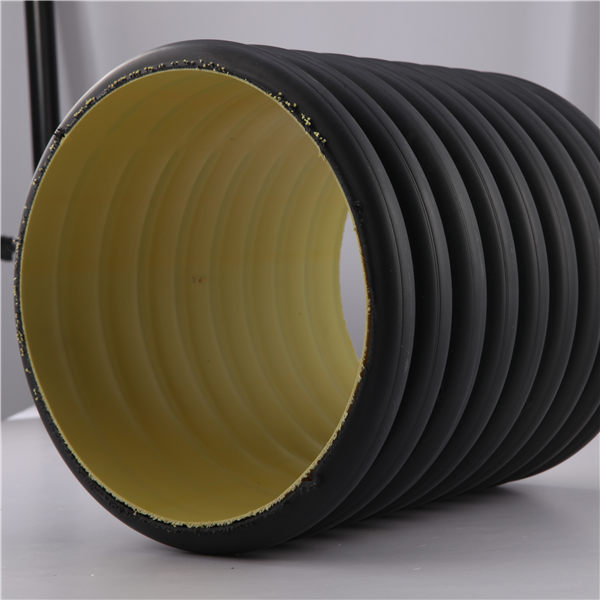
The adaptability across such a wide range of applications underscores the engineering excellence and economic value that HDPE double wall corrugated pipes bring to both public and private sector projects.
Vendor Comparison and Customized Solutions
When selecting a supplier for HDPE double wall corrugated pipe, discerning B2B decision-makers prioritize several critical factors beyond mere cost. A thorough vendor comparison should consider product quality, adherence to standards, customization capabilities, and after-sales support.
Key Comparison Criteria:
- Material Quality: Verifying the use of virgin, high-grade HDPE resin with appropriate UV stabilizers and additives is essential for long-term performance and resistance to environmental degradation.
- Manufacturing Excellence: Reputable vendors employ advanced co-extrusion technology and stringent quality control protocols, ensuring consistent wall thickness, precise corrugation, and specified ring stiffness (e.g., SN4, SN8, SN16).
- Certifications and Compliance: Suppliers should provide evidence of compliance with international standards such as ISO 21138, ASTM F405/F894, EN 13476, and local regulatory requirements. Certifications like ISO 9001 and ISO 14001 reflect a commitment to quality and environmental stewardship.
- Product Range and Customization: The ability to supply a full range of diameters, pipe lengths, and specialized fittings (couplers, bends, tees) is crucial. Manufacturers offering bespoke solutions for unique project specifications, such as specific color coding, perforations for subdrainage, or non-standard dimensions, add significant value.
- Logistics and Delivery: Efficient supply chain management and reliable delivery schedules are paramount for project timelines.
- Technical Support and Expertise: Access to experienced engineers for design consultation, installation guidance, and troubleshooting ensures project success and optimizes system performance.
Customized Solutions:
Leading manufacturers understand that off-the-shelf solutions may not always suffice for complex engineering projects. The capability to provide customized HDPE double wall corrugated pipe solutions is a significant differentiator. This includes:
- Specific Pipe Diameters and Lengths: Tailoring dimensions to reduce the number of joints and optimize trenching.
- Enhanced Ring Stiffness: Producing pipes with higher SN values for installations under exceptionally heavy loads or deep burial.
- Perforated Options: Customizing perforation patterns and sizes for specific subdrainage, infiltration, or exfiltration requirements.
- Integrated Fittings: Manufacturing specialized bends, reducers, and branches directly into the pipe segments to streamline installation and reduce potential leak points.
- Material Additives: Incorporating specific additives for enhanced UV resistance in exposed applications, or anti-microbial properties for sensitive environments.
Collaborating with a vendor who offers robust customization options ensures that the piping system is perfectly aligned with project-specific environmental, structural, and hydraulic demands, ultimately leading to greater efficiency and long-term cost savings.
Application Case Studies
Real-world applications demonstrate the tangible benefits and proven reliability of HDPE double wall corrugated pipe in diverse and challenging environments. These case studies highlight their performance, ease of installation, and long-term value.
Case Study 1: Municipal Stormwater Management Project, Coastal City
A rapidly developing coastal city faced severe flooding issues during monsoon seasons due to an aging and inadequate stormwater drainage infrastructure. The project required replacing over 15 km of concrete pipes with diameters ranging from 600 mm to 1200 mm. The chosen solution was HDPE double wall corrugated pipe due to its superior corrosion resistance to saltwater infiltration, high flow capacity, and robust ring stiffness (SN8) to withstand fluctuating groundwater tables and traffic loads. The lightweight nature of HDPE significantly reduced installation time by 30% compared to traditional materials, and its flexible joints provided resilience against potential seismic activity common in the region. Post-installation, the system has effectively managed stormwater, preventing urban flooding and showing no signs of deterioration after five years of operation, validating its long-term performance.
Case Study 2: Industrial Wastewater Conveyance, Chemical Plant
A major chemical manufacturing facility needed to upgrade its wastewater conveyance system, which handled a variety of acidic and alkaline effluents. Previous steel and concrete pipes had suffered from rapid corrosion and required frequent maintenance, leading to operational disruptions. The engineering team opted for HDPE double wall corrugated pipe (SN16) for its exceptional chemical resistance and structural integrity. A custom solution involved specific pipe lengths and integrated fittings to navigate complex underground utility networks within the plant. The smooth inner bore minimized potential for scaling and blockages, reducing cleaning frequency. After two years in service, the HDPE system has demonstrated complete resistance to the aggressive chemical environment, resulting in zero maintenance interventions related to pipe integrity and a significant reduction in operational costs.
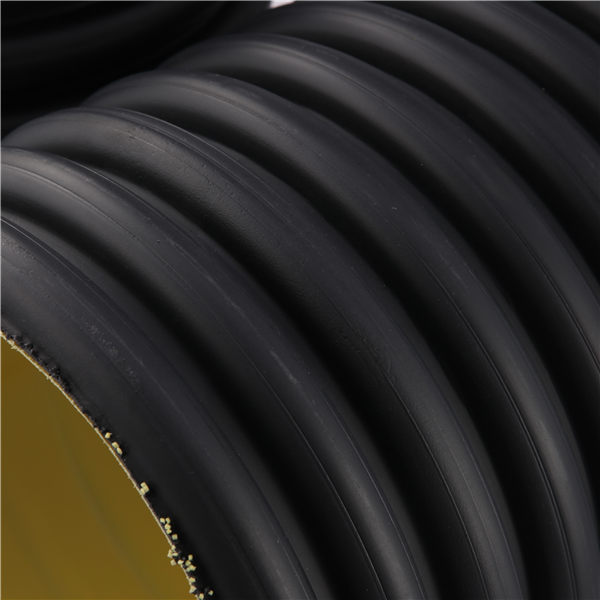
These cases underscore the pipe's capability to deliver reliable, long-term performance in some of the most challenging infrastructure and industrial applications, offering both technical superiority and economic advantages.
Ensuring Trustworthiness: FAQs, Fulfillment, and Support
Frequently Asked Questions (FAQs)
- Q: What is the expected service life of HDPE double wall corrugated pipe?
A: With proper installation and under normal operating conditions, these pipes have an expected service life of 50 to 100 years, significantly outperforming many traditional pipe materials. - Q: Can HDPE pipe be used in high-traffic areas?
A: Absolutely. The corrugated outer wall provides excellent ring stiffness (available in SN4, SN8, SN16, and higher), making it highly suitable for direct burial under roads, highways, and other areas subjected to heavy live loads. Proper backfill and installation practices are crucial. - Q: How does HDPE pipe handle chemical effluents?
A: HDPE is highly resistant to a broad spectrum of chemicals, including acids, bases, salts, and many organic solvents. This makes it an ideal choice for industrial wastewater and leachate collection systems where chemical aggression is a concern. - Q: What jointing methods are used for HDPE double wall corrugated pipe?
A: The most common and reliable method is the bell-and-spigot joint with an elastomeric gasket. This system ensures a watertight and flexible connection that can accommodate minor ground movement.
Lead Time and Fulfillment
Our commitment to efficient project execution is reflected in our streamlined manufacturing and logistics processes. Standard HDPE double wall corrugated pipe orders typically have a lead time of 2-4 weeks, depending on diameter and quantity. For large-scale projects or custom specifications, detailed production schedules and delivery timelines will be provided and managed by a dedicated project coordinator. Our global distribution network ensures timely and secure delivery to your project site, minimizing logistical delays.
Warranty Commitments
We stand behind the quality and durability of our products. All HDPE double wall corrugated pipes come with a comprehensive 10-year warranty against manufacturing defects, guaranteeing performance under specified operating conditions. This warranty is a testament to our rigorous quality control and the intrinsic strength of our materials.
Customer Support Information
Our dedicated technical support team comprises experienced engineers and product specialists available to assist with product selection, installation guidance, and any post-purchase inquiries. We offer pre-sales consultation, on-site technical support for large projects, and comprehensive after-sales service. For immediate assistance, please contact us via email at info@lidaplastic.com or call our technical hotline at +86-XXX-XXXX-XXXX (placeholder). We are committed to fostering long-term partnerships built on trust and reliable performance.
Conclusion
The widespread adoption of HDPE double wall corrugated pipe across critical infrastructure sectors is a testament to its superior engineering, environmental compatibility, and economic viability. Its proven performance in diverse and challenging applications positions it as the material of choice for sustainable and resilient fluid conveyance and drainage systems in the 21st century. As industries continue to evolve, the demand for high-performance, long-lasting, and adaptable piping solutions will only grow, solidifying the role of advanced HDPE products in shaping the future of global infrastructure.
References
- ISO 21138-1:2007 - Plastics piping systems for non-pressure underground drainage and sewerage - Structured-wall piping systems of unplasticized poly(vinyl chloride) (PVC-U), polypropylene (PP) and polyethylene (PE) - Part 1: General requirements and performance characteristics. International Organization for Standardization.
- ASTM F894-19 - Standard Specification for Polyethylene (PE) Large Diameter Profile Wall Sewer and Drain Pipe and Fittings. ASTM International.
- EN 13476-2:2018 - Plastics piping systems for non-pressure underground drainage and sewerage - Structured-wall piping systems of unplasticized poly(vinyl chloride) (PVC-U), polypropylene (PP) and polyethylene (PE) - Part 2: Specifications for pipes and fittings with smooth internal and profiled external surface and the system, Type B. European Committee for Standardization.
- Plastics Pipe Institute (PPI) - Handbook of Polyethylene Pipe. 2nd Edition.
-
Ultimate Guide to High Performance Industrial pvc dowel rods
NewsApr.16,2026
-
Industrial Guide to Using High Quality cpvc welding rod for Piping
NewsApr.09,2026
-
Comprehensive Guide to Selecting the Best Welding Rods for PVC Applications
NewsApr.07,2026
-
Comprehensive Guide to Solid PVC Rod Applications and Material Selection
NewsApr.04,2026
-
Comprehensive Guide to Choosing the Right Welding Rod PVC for Optimal Results
NewsMar.31,2026
-
Comprehensive Guide to 12mm HDPE Sheet Properties Applications and More
NewsMar.28,2026