

Mar . 19, 2026 02:15 Back to list
Exploring the Versatility of HDPE Plastic Sheet Roll for Diverse Applications
Understanding HDPE Plastic Sheet Rolls: Applications and Benefits
HDPE plastic sheet rolls are a versatile material used across numerous industries, renowned for their durability, chemical resistance, and cost-effectiveness. These rolls offer a convenient format for a wide range of applications, from protective liners to fabrication projects. This article provides a comprehensive overview of HDPE sheet rolls, exploring their properties, common uses, and considerations for selecting the right product. If you are looking for high-quality HDPE plastic sheet rolls, Lida Plastic is a trusted supplier committed to delivering superior products and exceptional service. Understanding the nuances of HDPE can help you make informed decisions for your specific needs.
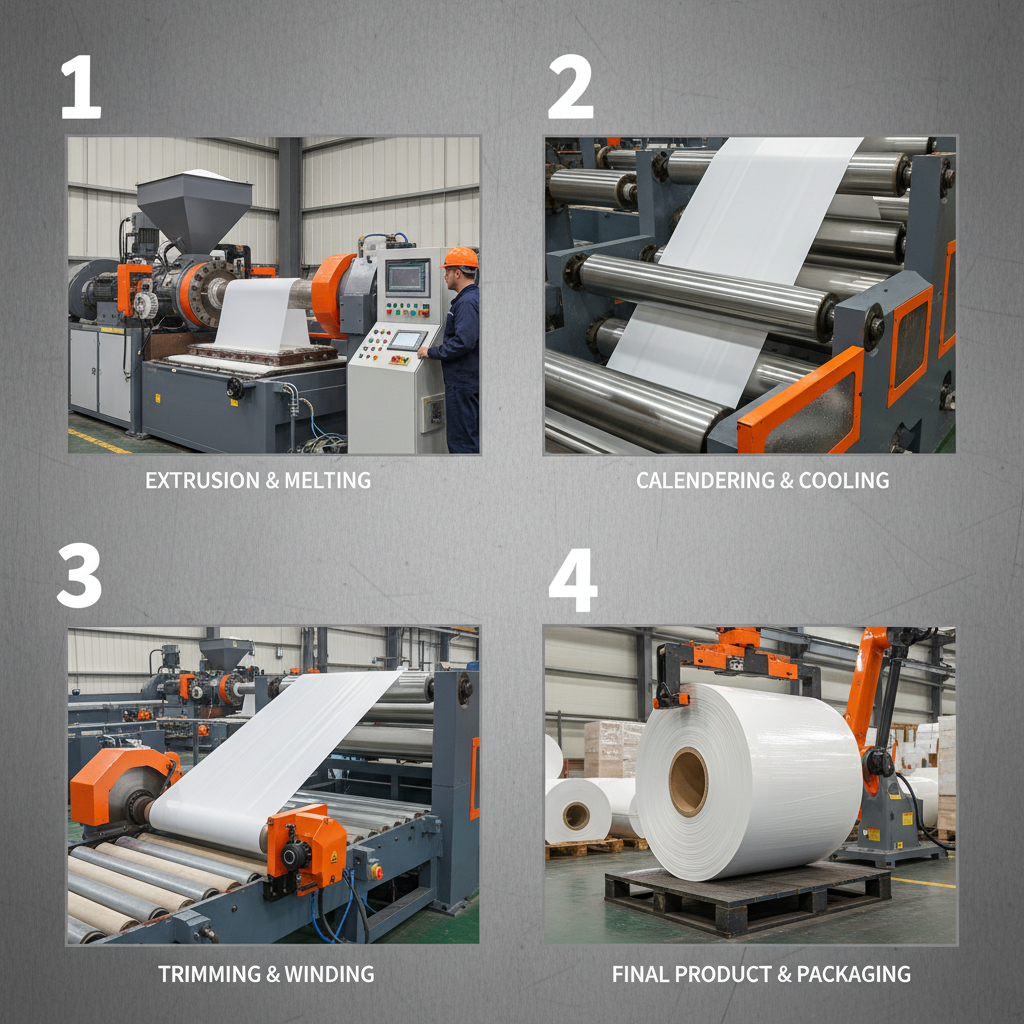
What is HDPE and Why is it Ideal for Sheet Rolls?
High-Density Polyethylene (HDPE) is a thermoplastic polymer known for its high strength-to-density ratio. This makes it exceptionally strong, yet relatively lightweight. Its inherent properties contribute to its suitability for sheet roll production. These properties include excellent chemical resistance – it doesn’t react with many acids, bases, or solvents. Furthermore, HDPE is naturally UV resistant, preventing degradation from sunlight. The material is also waterproof, making it perfect for liner applications. The flexibility and ease of fabrication of HDPE further enhance its versatility. Lida Plastic offers a range of HDPE sheet rolls tailored to meet diverse industrial needs.
Key Highlights: HDPE is a thermoplastic polymer boasting high strength-to-density ratio, exceptional chemical and UV resistance, and excellent waterproof capabilities, making it an ideal material for sheet roll applications.
Common Applications of HDPE Plastic Sheet Rolls
The applications for HDPE sheet rolls are remarkably diverse. In the construction industry, they’re widely used as damp-proof membranes, vapor barriers, and protective liners for foundations. Agriculture benefits from HDPE liners for ponds, irrigation channels, and greenhouse covers. The packaging industry utilizes HDPE sheets for creating durable containers and protective packaging materials. Furthermore, HDPE is frequently employed in fabricating cutting boards, signage, and various industrial components. Its resistance to chemicals makes it suitable for chemical containment applications, preventing leaks and spills. Lida Plastic provides customized HDPE sheet roll solutions for various industries.
Application Areas:
• Construction: Damp-proof membranes, vapor barriers.
• Agriculture: Pond liners, irrigation channels.
• Packaging: Durable containers, protective packaging.
• Industrial: Chemical containment, fabrication components.
HDPE Plastic Sheet Roll: Key Properties and Specifications
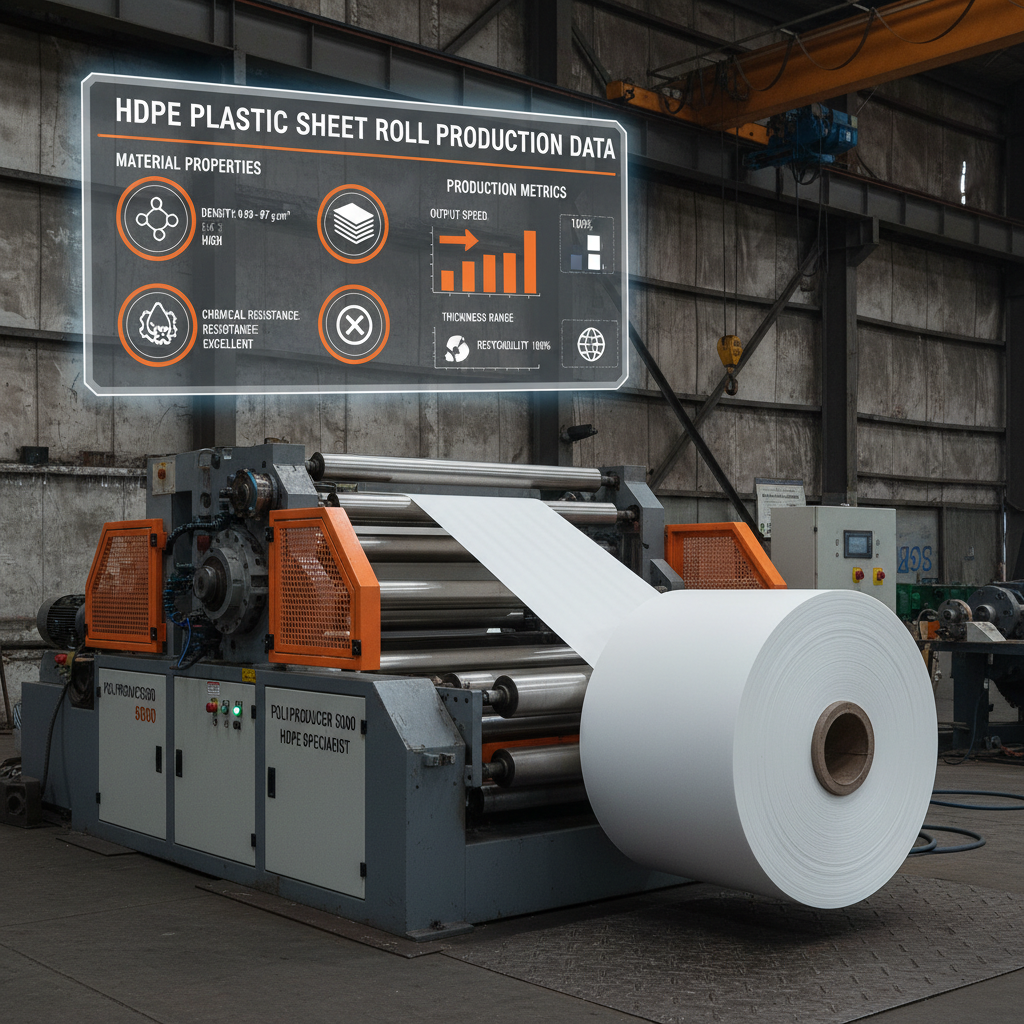
Understanding the key properties of HDPE is crucial when selecting the right material for your application. Density, measured in g/cm³, typically ranges from 0.93 to 0.97 g/cm³. Tensile strength, indicating the material’s resistance to breaking under tension, varies depending on the manufacturing process but generally falls between 20-30 MPa. HDPE also exhibits excellent impact strength, even at low temperatures. Sheet thickness commonly ranges from 0.5mm to 10mm, depending on the intended use. Lida Plastic provides detailed specifications for all its HDPE sheet roll products.
HDPE Sheet Rolls vs. Other Plastic Sheet Materials
When choosing a plastic sheet, it’s important to consider alternatives. Polypropylene (PP) is often compared to HDPE. While PP is lighter and cheaper, it lacks the same level of impact resistance and chemical resistance as HDPE. Polyvinyl Chloride (PVC) is another option, but it's less flexible and can become brittle over time. HDPE offers a superior balance of properties, making it the preferred choice for demanding applications. Its ability to withstand harsh conditions and maintain its integrity sets it apart from other materials. Contact Lida Plastic to discuss which material best suits your needs.
Choosing the Right HDPE Sheet Roll for Your Project
Selecting the appropriate HDPE sheet roll depends on the specific requirements of your project. Consider the thickness needed for the application’s load-bearing capacity and durability. Think about the required width and length to minimize waste and ensure efficient installation. Also, assess the level of UV exposure and chemical resistance needed. For example, applications requiring prolonged outdoor use should prioritize UV-stabilized HDPE. Lida Plastic provides expert guidance to help you choose the ideal HDPE sheet roll for optimal performance and longevity.
Conclusion: Reliable and Versatile – HDPE Plastic Sheet Rolls
HDPE plastic sheet rolls are a cost-effective, durable, and versatile solution for a wide range of applications. Their resistance to chemicals, UV radiation, and impact makes them ideal for demanding environments. By choosing the right specifications and partnering with a trusted supplier like Lida Plastic, you can ensure a successful and long-lasting result.
Frequently Asked Questions (FAQs)
What is the typical lifespan of HDPE sheet rolls?
The lifespan of HDPE sheet rolls varies depending on the application and environmental conditions. However, with proper handling and storage, they can typically last for 10-20 years or longer. Factors like UV exposure, temperature fluctuations, and chemical contact can affect their longevity. Regular inspections are recommended to identify any signs of degradation. Utilizing UV-stabilized HDPE can significantly extend its lifespan in outdoor applications.
Are HDPE sheet rolls recyclable?
Yes, HDPE is highly recyclable, making it an environmentally friendly material choice. It’s coded as "2" in the recycling symbol and is commonly accepted by recycling facilities. Recycling HDPE reduces landfill waste and conserves valuable resources. When disposing of HDPE sheet rolls, check with your local recycling center for specific guidelines.
Can HDPE sheet rolls be cut to size easily?
Yes, HDPE sheet rolls are relatively easy to cut using standard woodworking tools such as circular saws, jigsaw, and utility knives. However, it's important to use sharp blades to ensure clean cuts. For thicker sheets, a power saw may be necessary. Appropriate safety precautions, including wearing safety glasses and gloves, are always recommended.
What temperature range can HDPE sheet rolls withstand?
HDPE sheet rolls can generally withstand temperatures ranging from -50°C to +80°C (-58°F to +176°F). However, prolonged exposure to extreme temperatures can affect their mechanical properties. It's important to consider the operating temperature range when selecting HDPE for a specific application.
-
Ultimate Guide to High Performance Industrial pvc dowel rods
NewsApr.16,2026
-
Industrial Guide to Using High Quality cpvc welding rod for Piping
NewsApr.09,2026
-
Comprehensive Guide to Selecting the Best Welding Rods for PVC Applications
NewsApr.07,2026
-
Comprehensive Guide to Solid PVC Rod Applications and Material Selection
NewsApr.04,2026
-
Comprehensive Guide to Choosing the Right Welding Rod PVC for Optimal Results
NewsMar.31,2026
-
Comprehensive Guide to 12mm HDPE Sheet Properties Applications and More
NewsMar.28,2026