

Jan . 28, 2026 11:45 Back to list
Comprehensive Guide to Durable HDPE Irrigation Pipe Systems and Solutions
HDPE Irrigation Pipe: A Comprehensive Guide
Efficient irrigation is crucial for successful agriculture and landscaping. HDPE irrigation pipe stands out as a leading solution due to its durability, flexibility, and cost-effectiveness. This article explores the benefits, applications, and considerations when choosing HDPE pipe for your irrigation system. Understanding the advantages of HDPE will empower you to make an informed decision for optimal water management. Proper irrigation can significantly boost crop yields and reduce water waste.
What is HDPE Irrigation Pipe?
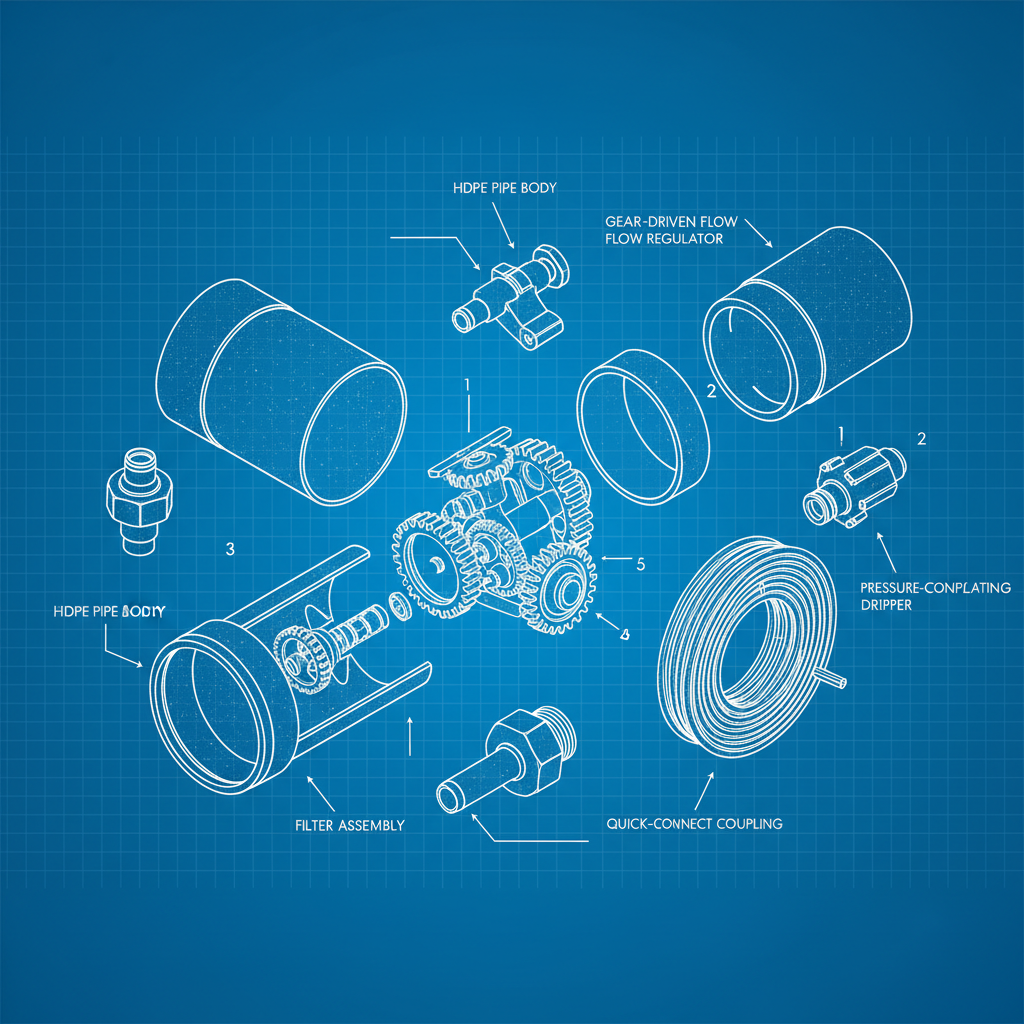
HDPE (High-Density Polyethylene) irrigation pipe is a plastic pipe made from petroleum. It’s a popular choice for irrigation systems because it's lightweight, yet incredibly strong and resistant to chemicals, abrasion, and UV degradation. Unlike some other pipe materials, HDPE is flexible, making it easier to install in challenging terrains and reducing the need for numerous fittings. This reduces potential leak points and lowers installation costs. Lida Plastic specializes in producing high-quality HDPE pipe solutions for various irrigation needs.
Key Highlights: Lightweight yet strong, resistant to chemicals and UV degradation, flexible for easy installation, reducing leak points and installation costs.
Benefits of Using HDPE Irrigation Pipe
HDPE irrigation pipes offer a multitude of benefits compared to traditional materials like PVC or metal. Firstly, their flexibility significantly reduces the need for costly and potentially problematic fittings. Secondly, HDPE’s corrosion resistance ensures a long lifespan, minimizing replacement costs. They are also less prone to cracking in cold weather. Furthermore, their smooth interior walls result in lower friction loss, allowing for more efficient water flow and reduced energy consumption for pumping. Contact Lida Plastic to learn more about their HDPE solutions.
Key Benefits:
• Reduced fittings and leak points
• Corrosion resistance for long lifespan
• Lower friction loss and energy consumption
• Flexibility for easy installation
HDPE vs. PVC Irrigation Pipe: A Comparative Analysis
While both HDPE and PVC are commonly used in irrigation, they have distinct differences. PVC is more rigid and can become brittle in cold temperatures, whereas HDPE remains flexible. HDPE also boasts superior chemical resistance and a longer lifespan. Initial material costs for PVC might be lower, but the long-term cost benefits of HDPE – due to reduced maintenance, fewer leaks, and longer service life – often outweigh the initial price difference. Choosing the right material depends on your specific application and budget, but HDPE generally offers a more durable and reliable solution.
Applications of HDPE Irrigation Pipe
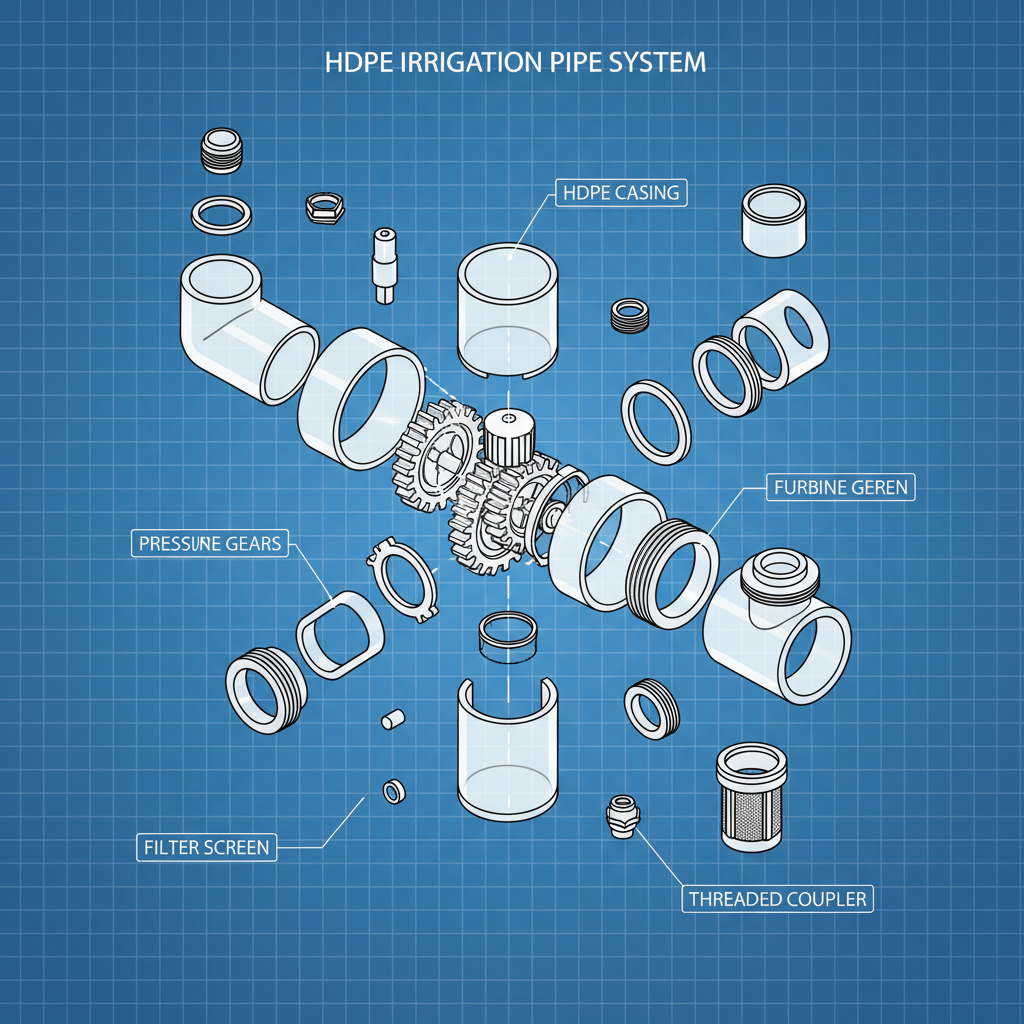
HDPE irrigation pipe is incredibly versatile and used in a wide range of applications. These include drip irrigation systems for row crops, sprinkler irrigation for large fields, landscape irrigation for lawns and gardens, and even for water transfer lines. Its durability and resistance to root intrusion make it an ideal choice for underground installations. From small-scale home gardens to large agricultural operations, Lida Plastic's HDPE pipes can deliver efficient and reliable irrigation solutions.
HDPE Irrigation Pipe Specifications
HDPE irrigation pipes are available in various sizes and pressure ratings to suit different needs. Common sizes range from ½ inch to 4 inches in diameter, with pressure ratings ranging from 50 PSI to 100 PSI or higher. The pipes are typically available in black, but other colors can be custom-ordered. Here’s a table summarizing common specifications:
Conclusion: Choosing the Right HDPE Irrigation Pipe
Investing in high-quality HDPE irrigation pipe from a reputable supplier like Lida Plastic is a smart decision for efficient and sustainable water management. Its durability, flexibility, and cost-effectiveness make it a superior choice compared to traditional materials. By selecting the right specifications for your specific application, you can ensure a long-lasting and reliable irrigation system.
Frequently Asked Questions (FAQs)
What is the expected lifespan of HDPE irrigation pipe?
HDPE irrigation pipe is remarkably durable and can typically last for 50 years or more with proper installation and maintenance. Its resistance to corrosion, UV degradation, and chemical breakdown contributes to its long lifespan. However, factors like soil conditions, water quality, and exposure to extreme temperatures can affect longevity. Regular inspections are recommended to identify and address any potential issues promptly.
How do I connect HDPE irrigation pipes?
HDPE pipes can be connected using various methods, including butt fusion, electrofusion, and compression fittings. Butt fusion is the most common and reliable method for larger diameter pipes, creating a permanent, leak-proof joint. Electrofusion is used for smaller diameters and offers similar benefits. Compression fittings are suitable for smaller projects and allow for easier disassembly if needed. It’s crucial to follow the manufacturer’s instructions carefully for each method to ensure a secure and watertight connection.
Is HDPE irrigation pipe suitable for all soil types?
Yes, HDPE irrigation pipe is suitable for virtually all soil types. Its flexibility allows it to navigate uneven terrain and rocky soil without cracking or breaking. The pipe’s resistance to corrosion also makes it ideal for corrosive soil environments. However, it's essential to provide adequate bedding and backfill to protect the pipe from damage during installation, regardless of the soil type.
Where can I purchase high-quality HDPE irrigation pipe?
Lida Plastic is a leading supplier of high-quality HDPE irrigation pipe. We offer a wide range of sizes and pressure ratings to meet your specific needs. Visit our website or contact our team today for a quote and expert advice.
-
Ultimate Guide to High Performance Industrial pvc dowel rods
NewsApr.16,2026
-
Industrial Guide to Using High Quality cpvc welding rod for Piping
NewsApr.09,2026
-
Comprehensive Guide to Selecting the Best Welding Rods for PVC Applications
NewsApr.07,2026
-
Comprehensive Guide to Solid PVC Rod Applications and Material Selection
NewsApr.04,2026
-
Comprehensive Guide to Choosing the Right Welding Rod PVC for Optimal Results
NewsMar.31,2026
-
Comprehensive Guide to 12mm HDPE Sheet Properties Applications and More
NewsMar.28,2026