

Mar . 09, 2026 02:15 Back to list
Comprehensive Guide to HDPE Sheet Cost Factors and Market Pricing
Understanding HDPE Sheet Cost: A Comprehensive Guide
When sourcing plastic materials for various applications, understanding the HDPE sheet cost is crucial for budget planning and project success. High-Density Polyethylene (HDPE) sheets are renowned for their durability, chemical resistance, and versatility, making them a popular choice across numerous industries. This article will delve into the factors influencing HDPE sheet pricing, typical cost ranges, and how to optimize your purchase. We will also explore different grades and thicknesses and how these affect the final price. Choosing the right HDPE sheet supplier is key to getting the best value.
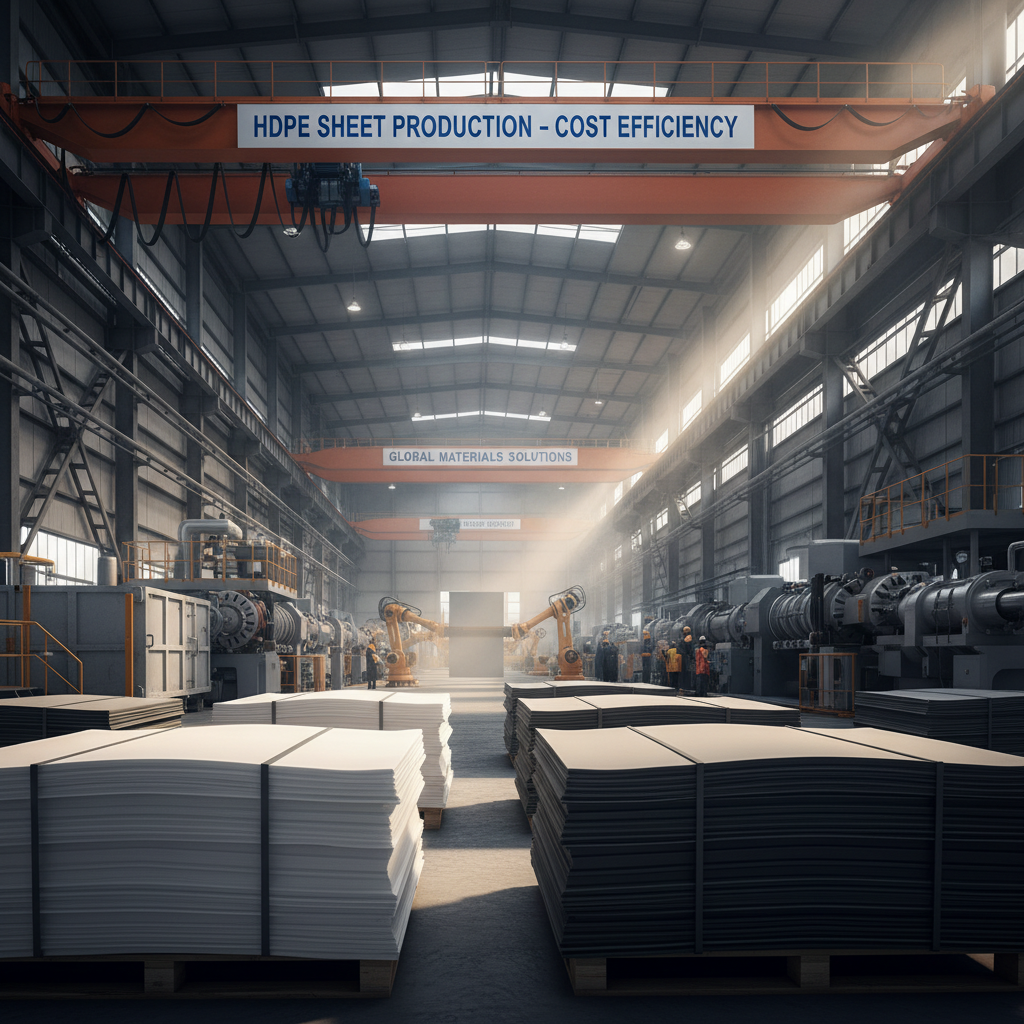
Factors Influencing HDPE Sheet Cost
The cost of HDPE sheets isn't fixed and varies depending on several key factors. The price of raw polyethylene resin is a major driver – fluctuations in oil prices directly impact resin costs. Sheet thickness is another significant factor; thicker sheets require more material and therefore are more expensive. Grade of HDPE plays a role; virgin HDPE is generally pricier than recycled HDPE. Furthermore, the size of the sheet (dimensions) and quantity ordered influence the unit cost, with bulk orders typically receiving discounts. Finally, manufacturing processes and the supplier’s location also contribute to the overall price. Lida Plastic offers competitive pricing and a range of HDPE sheet options.
Key Highlights: Factors like raw material costs, sheet thickness, grade (virgin vs. recycled), sheet size, order quantity, manufacturing processes, and supplier location all influence HDPE sheet pricing.
Typical HDPE Sheet Cost Ranges (2024)
Understanding the current market pricing for HDPE sheets is vital for effective budgeting. Below is a general cost range as of late 2024. These figures are estimates and can vary based on the specific supplier, quantity ordered, and any customizations required. It's always best to obtain a quote directly from a supplier like Lida Plastic for the most accurate pricing.
Virgin vs. Recycled HDPE: A Cost-Benefit Analysis
A significant factor impacting HDPE sheet cost is the material source: virgin versus recycled HDPE. Virgin HDPE, produced directly from petroleum, offers superior strength, impact resistance, and color consistency. However, it's generally more expensive. Recycled HDPE, derived from post-consumer or post-industrial plastic waste, is a more cost-effective option and environmentally friendly. While recycled HDPE may exhibit slightly reduced mechanical properties, it's suitable for many applications where extreme strength isn’t critical.
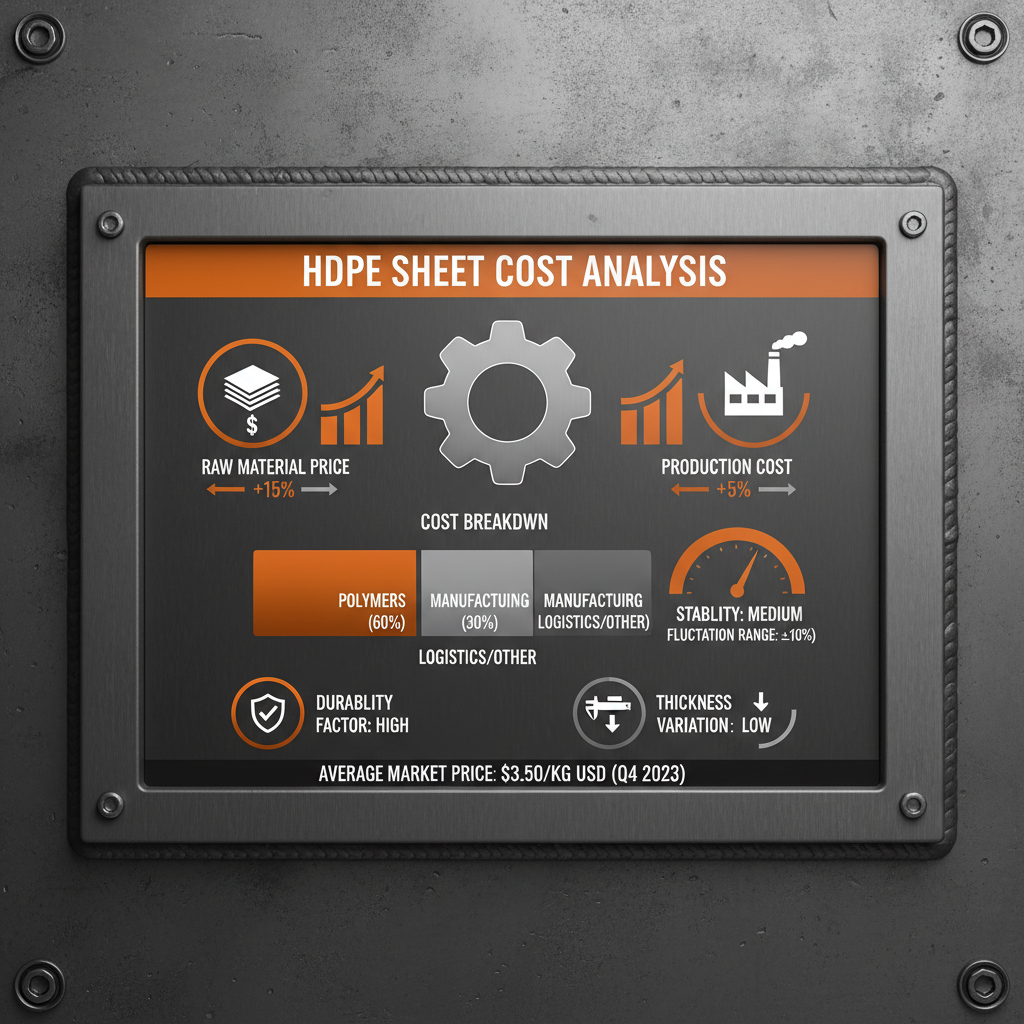
Optimizing Your HDPE Sheet Purchase
To minimize costs when purchasing HDPE sheets, consider the following: Order in bulk to take advantage of volume discounts. Carefully assess your application's requirements – if extreme strength isn't necessary, recycled HDPE can be a viable alternative. Compare quotes from multiple suppliers, including Lida Plastic. Negotiate pricing based on quantity and potential long-term partnerships. Plan ahead to avoid rush orders, which often incur higher costs. Consider standard sheet sizes to minimize cutting waste.
Applications and Corresponding HDPE Grade Choices
The appropriate grade of HDPE directly impacts the sheet cost and suitability for the intended application. For applications requiring high strength and impact resistance, such as marine construction or heavy-duty containers, virgin HDPE is recommended. For applications like signage, protective barriers, or non-structural components, recycled HDPE offers a cost-effective solution. Understanding the demands of your project is key to selecting the most appropriate and economical HDPE sheet.
Conclusion: Making Informed Decisions About HDPE Sheet Cost
Understanding the factors influencing HDPE sheet cost is paramount for successful project planning. By carefully evaluating your application requirements, considering the benefits of virgin versus recycled materials, and obtaining quotes from reputable suppliers like Lida Plastic, you can optimize your purchase and achieve the best value. Don't hesitate to consult with experts to determine the most suitable HDPE sheet for your needs.
Frequently Asked Questions (FAQs)
What is the typical lead time for HDPE sheet orders?
Lead times vary depending on the supplier’s inventory and the complexity of your order. Standard sheet sizes and thicknesses are typically available for immediate shipment. Custom sizes or specific grades may require a longer lead time, often ranging from 1-3 weeks. Lida Plastic strives to provide accurate lead time estimates during the quoting process and maintain efficient order fulfillment to minimize delays.
Can HDPE sheets be cut to custom sizes?
Yes, HDPE sheets can be easily cut to custom sizes using various methods, including sawing, routing, and laser cutting. Many suppliers, including Lida Plastic, offer custom cutting services to meet your specific requirements. Cutting services can save you time and labor, and ensure precise dimensions.
What are the common applications of HDPE sheets?
HDPE sheets have a wide range of applications across various industries. Common uses include: cutting boards, chemical storage tanks, marine construction, playground equipment, signage, protective barriers, liners for ponds and landfills, and packaging. Their durability, chemical resistance, and versatility make them a suitable material for many different projects.
-
Ultimate Guide to High Performance Industrial pvc dowel rods
NewsApr.16,2026
-
Industrial Guide to Using High Quality cpvc welding rod for Piping
NewsApr.09,2026
-
Comprehensive Guide to Selecting the Best Welding Rods for PVC Applications
NewsApr.07,2026
-
Comprehensive Guide to Solid PVC Rod Applications and Material Selection
NewsApr.04,2026
-
Comprehensive Guide to Choosing the Right Welding Rod PVC for Optimal Results
NewsMar.31,2026
-
Comprehensive Guide to 12mm HDPE Sheet Properties Applications and More
NewsMar.28,2026