

Jan . 27, 2026 19:15 Back to list
Comprehensive Guide to HDPE Black Pipe Applications and Specifications
Understanding HDPE Black Pipe: A Comprehensive Guide
High-Density Polyethylene (HDPE) black pipe is a versatile and durable solution for a wide range of applications, from irrigation and drainage to industrial fluid transport. Its robust nature, coupled with cost-effectiveness, has made it a preferred choice in numerous industries. This article delves into the features, benefits, applications, and considerations when choosing HDPE black pipe, providing a comprehensive overview for professionals and anyone considering its use. Understanding the nuances of HDPE pipe will help you make informed decisions for your projects.
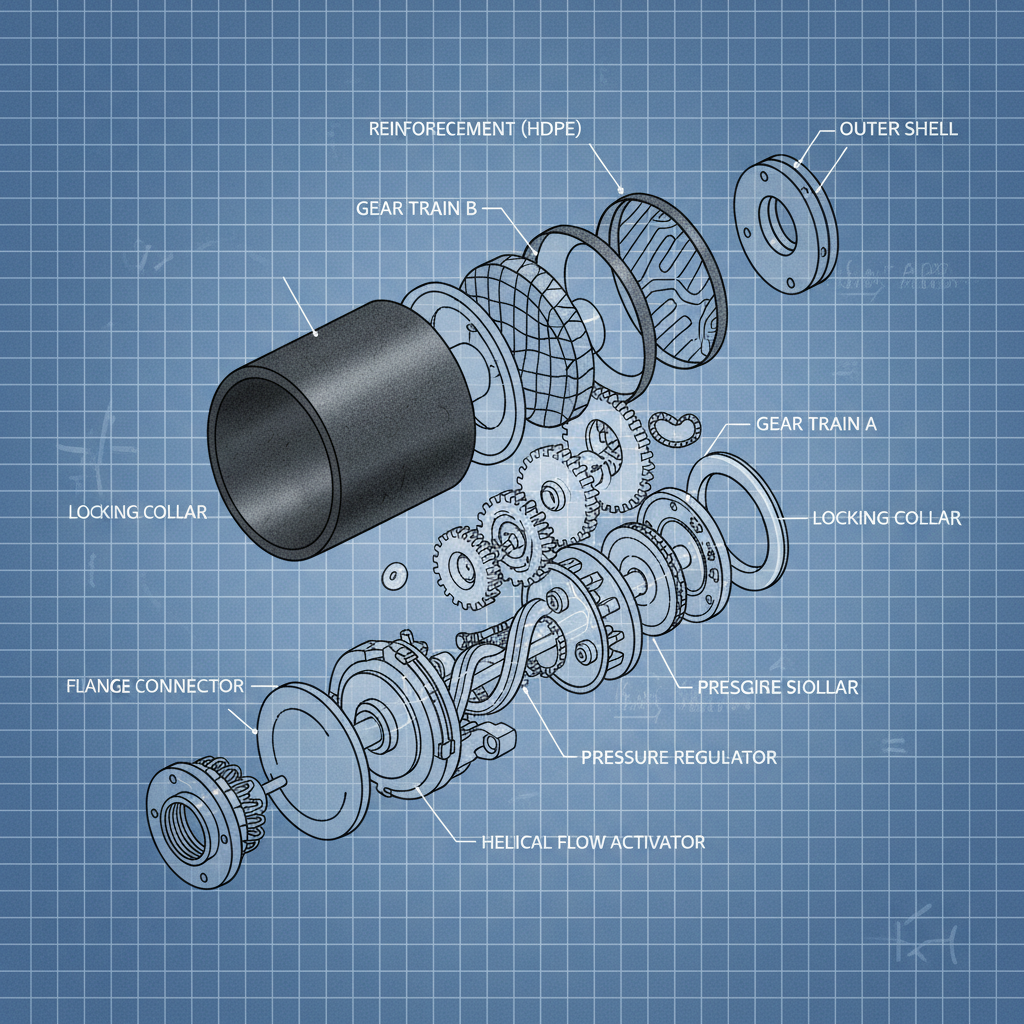
What is HDPE Black Pipe and Why Choose It?
HDPE black pipe is manufactured from high-density polyethylene resin, known for its exceptional strength-to-density ratio. The black color, achieved through the addition of carbon black, provides excellent UV resistance, making it suitable for outdoor applications. This type of pipe is incredibly durable, resistant to corrosion, chemicals, and abrasion, and offers a long service life. Crucially, it's lightweight and flexible, simplifying installation and reducing labor costs. It’s also a sustainable option, being fully recyclable. Compared to traditional materials like steel or concrete, HDPE pipe offers a compelling combination of performance and cost savings.
Key Highlights: Lightweight, flexible, corrosion-resistant, UV protected, and fully recyclable.
Applications of HDPE Black Pipe
The versatility of HDPE black pipe makes it suitable for diverse applications across numerous industries. Common uses include:
- Irrigation Systems: Delivering water efficiently to agricultural fields and landscapes.
- Drainage Systems: Managing stormwater runoff and wastewater effectively.
- Industrial Piping: Transporting a wide range of fluids, including chemicals, slurries, and compressed air.
- Mining and Quarrying: Handling abrasive materials and providing reliable fluid transfer.
- Sewer and Wastewater: Providing a leak-proof and durable solution for waste management.
- Cable Ducting: Protecting electrical and communication cables.
Its resistance to corrosion and chemicals makes it an ideal choice for handling even aggressive substances. Lida Plastic provides high-quality HDPE pipe solutions tailored for various industries.
HDPE Black Pipe: Key Specifications and Standards
HDPE black pipe is available in various sizes, schedules (wall thicknesses), and pressure ratings to meet specific application requirements. It’s typically manufactured according to industry standards such as ASTM D1785 and ASTM D2412. The pipe's pressure rating is denoted by a Schedule number (e.g., Schedule 40, Schedule 80), with higher numbers indicating thicker walls and greater pressure capacity. It’s crucial to select the appropriate size and schedule based on the operating pressure, flow rate, and environmental conditions. Lida Plastic offers a comprehensive range of HDPE black pipe specifications to match your project needs.
Typical HDPE Pipe Specifications:
HDPE Black Pipe vs. Other Piping Materials
When choosing a piping material, it’s important to consider the advantages of HDPE black pipe compared to alternatives like PVC, steel, and concrete. PVC can become brittle over time, particularly in colder climates, while steel is susceptible to corrosion. Concrete pipes are heavy and difficult to install. HDPE offers a superior combination of durability, flexibility, and cost-effectiveness.
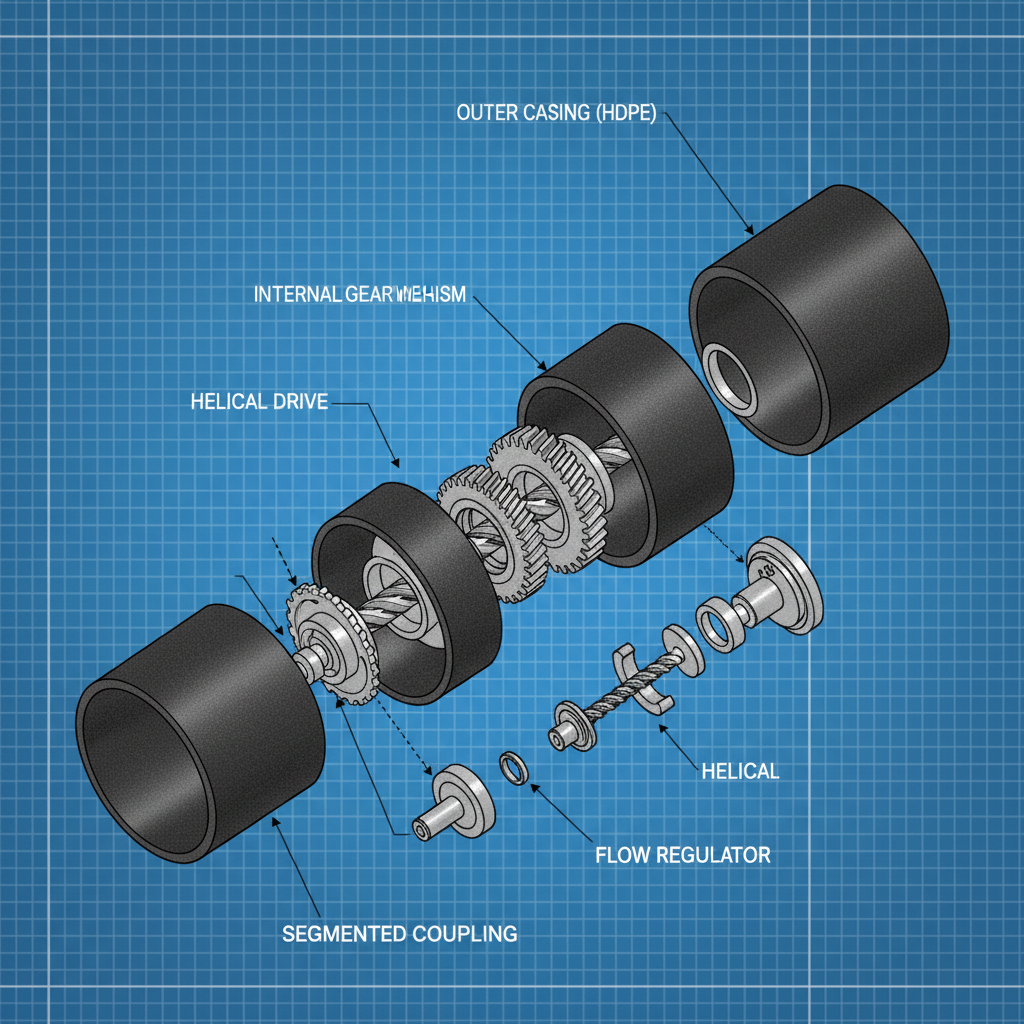
Installation Considerations for HDPE Black Pipe
Installing HDPE black pipe is relatively straightforward, but adherence to best practices is essential for a long-lasting and reliable system. Fusion welding is the most common joining method, creating a leak-proof, structurally sound connection. Other methods include using mechanical fittings. Proper trench preparation, adequate bedding, and appropriate backfill are also crucial. Consult with experienced professionals and follow manufacturer's guidelines for optimal results. Lida Plastic offers comprehensive support and resources for HDPE pipe installation.
Conclusion: The Advantages of Choosing HDPE Black Pipe
Investing in HDPE black pipe offers a durable, cost-effective, and sustainable solution for a wide array of applications. Its resistance to corrosion, chemicals, and UV radiation, coupled with its lightweight and flexible nature, makes it a superior choice compared to traditional materials. By choosing HDPE, you’re ensuring a long-lasting, reliable, and environmentally responsible piping system.
Frequently Asked Questions (FAQs)
What is the working temperature range for HDPE black pipe?
HDPE black pipe can typically handle temperatures ranging from -40°C to 60°C (-40°F to 140°F) without significant degradation. However, the specific temperature range may vary depending on the pressure rating and the type of fluid being transported. It’s crucial to consult the manufacturer's specifications for the exact operating temperature limits for a particular pipe. For applications involving extreme temperatures, specialized HDPE formulations may be required.
How do I properly store HDPE black pipe?
HDPE black pipe should be stored in a cool, dry, and well-ventilated area, away from direct sunlight and extreme temperatures. Avoid stacking pipes directly on the ground, as this can cause deformation. Store pipes on a level surface, supported by pallets or other suitable supports. Protect the pipe from damage during handling and storage. Proper storage will maintain the pipe's integrity and ensure its longevity.
Is HDPE pipe suitable for potable water applications?
Yes, HDPE pipe is widely used for potable water distribution systems. It is non-toxic, does not leach harmful chemicals into the water, and is resistant to corrosion, ensuring water quality remains unaffected. However, it’s important to use HDPE pipe specifically manufactured for potable water applications, which meets relevant standards like NSF/ANSI 61. Lida Plastic offers HDPE pipe certified for potable water use.
What are the advantages of fusion welding HDPE pipe?
Fusion welding creates a strong, leak-proof joint that is as durable as the pipe itself. This method involves heating the pipe and fitting until they fuse together, creating a homogenous connection. Fusion welding eliminates the risk of corrosion or leakage associated with mechanical fittings, resulting in a long-lasting and reliable piping system. It's important to use qualified technicians and follow proper welding procedures for optimal results.
-
Ultimate Guide to High Performance Industrial pvc dowel rods
NewsApr.16,2026
-
Industrial Guide to Using High Quality cpvc welding rod for Piping
NewsApr.09,2026
-
Comprehensive Guide to Selecting the Best Welding Rods for PVC Applications
NewsApr.07,2026
-
Comprehensive Guide to Solid PVC Rod Applications and Material Selection
NewsApr.04,2026
-
Comprehensive Guide to Choosing the Right Welding Rod PVC for Optimal Results
NewsMar.31,2026
-
Comprehensive Guide to 12mm HDPE Sheet Properties Applications and More
NewsMar.28,2026