

Sep . 01, 2025 04:40 Back to list
Premium HDPE Pipe Fittings: Durable, Leak-Proof & Corrosion Resistant
Introduction to High-Density Polyethylene Pipe Fittings
High-Density Polyethylene (HDPE) pipe systems have become the material of choice for critical infrastructure projects worldwide, owing to their robust performance characteristics and exceptional longevity. Central to the integrity and adaptability of these systems are HDPE pipe fitting components. These fittings are engineered to facilitate changes in direction, diameter, and flow, as well as to create secure branches and terminations within HDPE piping networks. Their widespread adoption across diverse industries underscores their reliability, cost-effectiveness, and environmental advantages. This comprehensive article delves into the intricacies of these essential components, exploring their manufacturing, applications, technical merits, and market landscape.
Manufactured from high-density polyethylene resin, these fittings are renowned for their outstanding resistance to corrosion, abrasion, and chemical attack, making them ideal for aggressive environments where metallic alternatives rapidly degrade. Their inherent flexibility and superior impact strength ensure resilience against ground movement, seismic activity, and pressure surges, significantly reducing maintenance requirements and extending system service life.
Industry Trends and Market Dynamics for HDPE Pipe Fitting
The global market for HDPE pipe fitting is experiencing robust growth, driven by escalating infrastructure development, particularly in developing economies, and the increasing preference for durable, sustainable piping solutions. Key trends include:
- Sustainable Infrastructure: Growing emphasis on eco-friendly and long-lasting materials fuels the demand for HDPE, which boasts a long service life (50+ years), recyclability, and low carbon footprint compared to traditional materials.
- Technological Advancements: Continuous innovation in manufacturing processes, such as advanced extrusion techniques and sophisticated injection molding, leads to higher quality, more precise, and more reliable fittings. The development of electrofusion and butt fusion technologies continues to enhance joint integrity and installation efficiency.
- Smart Water Management: Integration of sensor technologies and IoT into water distribution networks is driving demand for leak-proof and resilient piping systems, where HDPE excels due to its fusion capabilities.
- Urbanization and Industrialization: Rapid urbanization, especially in Asia-Pacific and Africa, necessitates extensive new water, gas, and wastewater networks, propelling the demand for HDPE solutions.
- Material Innovations: Research into enhanced HDPE grades with improved pressure ratings, temperature resistance, and UV stability further expands application possibilities.
The market is also characterized by a shift towards larger diameter fittings to accommodate increased flow requirements in major municipal and industrial projects. Furthermore, a rising focus on total cost of ownership (TCO) is benefiting HDPE, as its minimal maintenance needs and extended lifespan offer significant long-term savings despite potentially higher initial material costs.
Technical Specifications and Material Properties
HDPE pipe fitting are typically manufactured from high-performance HDPE resins, predominantly PE100 or PE80 grades, which conform to international standards such as ISO 4427, EN 12201, and ASTM D3035. These designations refer to the Minimum Required Strength (MRS) of the material, with PE100 offering a higher long-term hydrostatic strength of 10 MPa (100 bar) at 20°C for 50 years, compared to PE80's 8 MPa (80 bar).
Key Material Characteristics:
- Density: Typically ranging from 0.941 to 0.965 g/cm³, contributing to its strength and rigidity.
- Melt Flow Index (MFI): An indicator of polymer processability, critical for consistent fitting quality.
- Tensile Strength: High tensile strength (20-25 MPa for PE100) ensures robust performance under stress.
- Impact Strength: Excellent resistance to impact, even at low temperatures, preventing brittle failure.
- Chemical Resistance: Inert to a wide range of chemicals, acids, bases, and solvents.
- Abrasion Resistance: Superior resistance to abrasion, making it suitable for slurry transport.
- UV Resistance: Carbon black additive (typically 2-2.5%) provides excellent UV protection, allowing outdoor storage and installation.
Typical HDPE Pipe Fitting Specification Table:
| Parameter | Value/Range (PE100) | Standard |
|---|---|---|
| Material Grade | PE100 (Black) | ISO 4427 / EN 12201 |
| Density | 0.958 g/cm³ | ISO 1183 |
| Melt Flow Rate (MFR) 190°C/5kg | 0.2 - 1.0 g/10min | ISO 1133 |
| Tensile Strength at Yield | 22-25 MPa | ISO 527 |
| Elongation at Break | > 600% | ISO 527 |
| VICAT Softening Temperature (VST/B/50) | > 120 °C | ISO 306 |
| Oxidation Induction Time (OIT) | > 20 min @ 210°C | ISO 11357 |
| Operating Temperature Range | -40°C to +60°C | Manufacturer Specific |
These specifications ensure that HDPE pipe fitting can withstand high pressures (SDR series from SDR11 to SDR26), maintain structural integrity, and offer an impressive service life exceeding 50 years under normal operating conditions.
Manufacturing Process Flow of HDPE Pipe Fitting
The production of high-quality HDPE pipe fitting involves a meticulously controlled manufacturing process, primarily utilizing injection molding and occasionally machining for specialized or very large fittings. This ensures dimensional accuracy, consistency, and optimal material properties.
Detailed Process Steps:
-
1. Raw Material Sourcing and Preparation:
High-grade HDPE resin (e.g., PE100) in pellet form is sourced from reputable suppliers. These pellets are typically pre-compounded with carbon black for UV resistance and antioxidants to prevent degradation during processing and service life. Before molding, the material is often dried to remove any moisture that could affect product quality.
-
2. Injection Molding (Primary Method):
This is the most common method for producing fittings. HDPE pellets are fed into the barrel of an injection molding machine, where they are heated and melted. A rotating screw then forces the molten polymer into a precisely machined mold cavity under high pressure. The mold, designed for specific fitting types (elbows, tees, reducers, etc.), is kept cool to allow the polymer to solidify quickly.
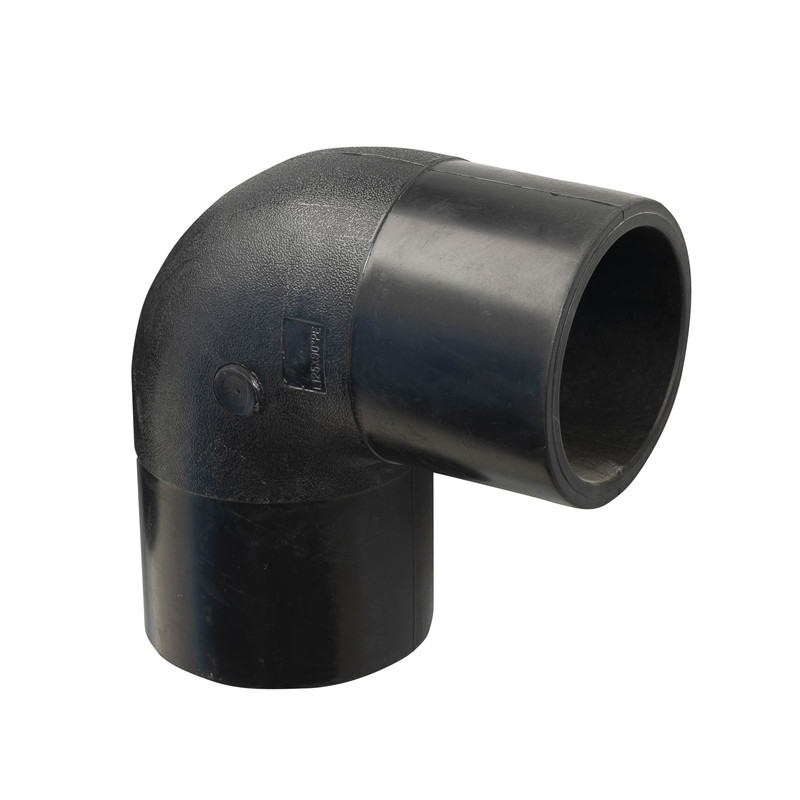
Image: Precision injection molding machines for HDPE pipe fittings.
-
3. Cooling and Ejection:
Once solidified, the mold opens, and the finished fitting is ejected. The cooling phase is critical to prevent warping and ensure dimensional stability.
-
4. Post-Processing (Optional/Specific):
For certain complex or very large diameter fittings, or when extremely tight tolerances are required, CNC machining may be employed to finish critical surfaces or bore diameters after the initial molding or fabrication. This could include chamfering, threading (for mechanical joints), or fine-tuning dimensions.
-
5. Quality Control and Testing:
Every batch of HDPE pipe fitting undergoes rigorous quality control. This includes:
- Dimensional Verification: Using calipers, micrometers, and go/no-go gauges to ensure compliance with specified dimensions (e.g., ISO 4427, ANSI B16.40 for plastic flanges, EN 12201).
- Visual Inspection: Checking for surface defects, discoloration, or signs of incomplete molding.
- Melt Flow Rate (MFR) Testing: Periodic checks of raw material and finished product MFR to ensure consistency.
- Hydrostatic Pressure Testing: Samples are subjected to internal pressure to verify burst strength and long-term pressure resistance.
- Tensile and Impact Testing: Assessing mechanical properties to ensure durability.
- Oxidation Induction Time (OIT) Test: To confirm the effectiveness of antioxidants and expected service life.
-
6. Packaging and Shipping:
Finished fittings are carefully packaged to prevent damage during transit and labeled with relevant information, including size, pressure rating, material grade, and batch number.
This meticulous process, adhering to international standards like ISO 9001 for quality management and ISO 14001 for environmental management, ensures that each HDPE pipe fitting delivers exceptional performance and a service life typically exceeding 50 years in target industries such as petrochemical, metallurgy, municipal water supply and drainage, mining, and gas distribution. The corrosion resistance and energy-saving advantages (due to smooth bore and low friction losses) are inherent benefits derived from this manufacturing excellence.
Technical Advantages and Performance Benefits
The superior material properties and sophisticated manufacturing of HDPE pipe fitting translate into a host of compelling technical advantages for demanding applications:
- Exceptional Corrosion Resistance: Unlike metallic fittings, HDPE is completely immune to rust, galvanic corrosion, and electrochemical reactions, making it ideal for corrosive soil conditions, saline environments, and chemical transport.
- High Abrasion Resistance: The smooth internal surface and inherent toughness of HDPE provide excellent resistance to abrasion from slurries, sand, and other particulate matter, minimizing wear and extending service life in mining and dredging applications.
- Flexibility and Fatigue Resistance: HDPE fittings can accommodate ground movement, seismic activity, and pressure surges without cracking or breaking. Their inherent flexibility allows for radius bending, reducing the need for numerous fittings and simplifying installation.
- Leak-Proof Fusion Joints: When butt-fused or electrofused to HDPE pipes, these fittings create monolithic, leak-proof systems. This eliminates common leak points associated with mechanical joints, ensuring system integrity and preventing fluid loss.
- Long Service Life: With proper installation and under normal operating conditions, HDPE systems, including fittings, are engineered for a service life of 50 to 100 years, drastically reducing replacement costs and disruptions.
- Excellent Chemical Resistance: HDPE is resistant to a wide array of chemicals, acids, alkalis, and solvents, making it suitable for industrial process piping and wastewater treatment.
- Low Hydraulic Friction Loss: The extremely smooth interior bore of HDPE fittings minimizes flow resistance, leading to lower pressure drops, reduced pumping energy consumption, and significant energy savings over the system's lifetime.
- Lightweight and Easy Installation: Being significantly lighter than steel or ductile iron fittings, HDPE components are easier to handle, transport, and install, often reducing labor costs and equipment requirements.
- UV Resistance: Incorporated carbon black provides excellent protection against ultraviolet degradation, allowing for above-ground installations without additional shielding.
These combined attributes position HDPE pipe fitting as a superior choice for critical infrastructure, offering unparalleled reliability and cost-efficiency.
Application Scenarios and Target Industries
The versatility and robustness of HDPE pipe fitting enable their application across a broad spectrum of industries and challenging environments:
-
Water Supply and Distribution: Essential for municipal potable water networks, raw water intake, and distribution systems. Their leak-proof nature ensures water conservation and prevents contamination.
Customer Feedback: "We've significantly reduced water losses and maintenance calls since upgrading our municipal network with HDPE fittings. The fusion joints are incredibly reliable." - Municipal Water Authority Engineer.
- Wastewater and Drainage Systems: Used in gravity sewers, force mains, storm drains, and wastewater treatment plants due to their corrosion and abrasion resistance to sewage and effluent.
- Gas Distribution: Widely adopted for natural gas pipelines, ensuring safe and leak-free transmission from source to consumer. HDPE's flexibility and fusion capabilities are critical here.
-
Mining and Industrial Applications: For transporting slurries, process water, tailings, and corrosive chemicals in mining, petrochemical, and general industrial facilities. The abrasion resistance is a key advantage.
Case Study Excerpt: A major copper mine in South America replaced steel slurry lines with HDPE systems, including specialized HDPE fittings, reducing maintenance downtime by 40% and extending pipeline life from 5 to 15 years due to superior abrasion resistance.
- Agricultural and Irrigation: For large-scale irrigation systems, agricultural water supply, and drainage due to their durability and resistance to harsh weather conditions.
- Power and Telecommunications: Used as conduit for protecting underground power cables and fiber optic lines, offering excellent protection against environmental factors and ground movement.
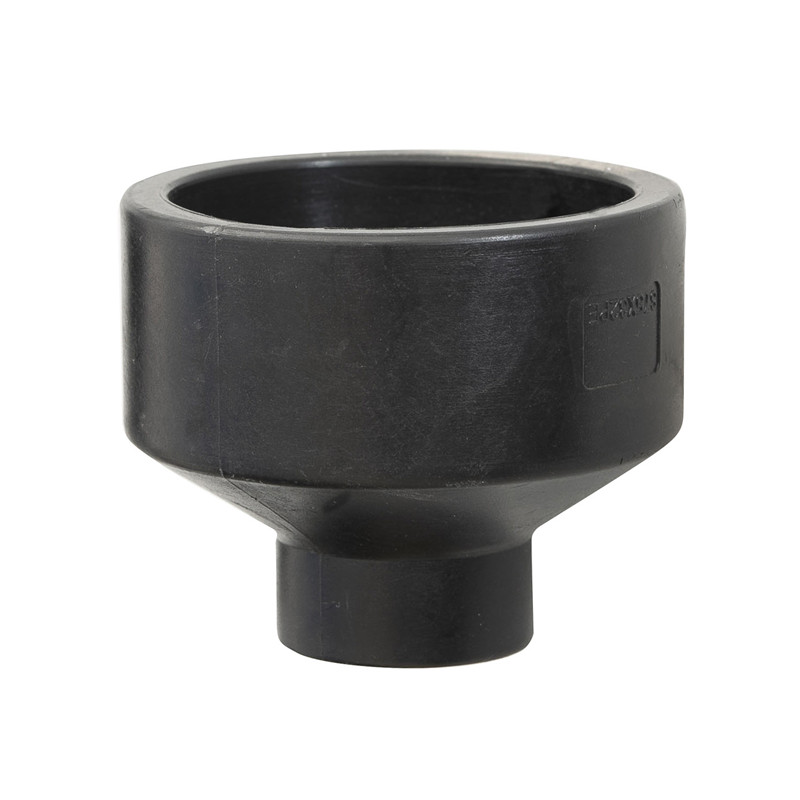
Image: HDPE pipe fittings utilized in a complex industrial piping network.
These diverse applications underscore the adaptability and indispensable role of HDPE pipe fitting in modern infrastructure projects requiring high performance and longevity.
Vendor Comparison and Selection Criteria for HDPE Pipe Fitting
Selecting the right supplier for HDPE pipe fitting is paramount to the success and longevity of any piping project. While many manufacturers exist, distinguishing between them based on critical criteria is essential for B2B decision-makers.
Key Vendor Comparison Parameters:
- Certifications and Standards Compliance: Verify adherence to international standards (ISO 4427, EN 12201, ASTM, DIN) and quality management systems (ISO 9001, ISO 14001). Reputable vendors often have third-party certifications (e.g., WRAS, KIWA, DVGW for potable water).
- Material Grade and Traceability: Confirm the use of virgin, high-quality PE100 or PE80 resin from approved suppliers, with full traceability of raw materials and manufacturing batches.
- Manufacturing Capability and Technology: Assess the manufacturer's production capacity, machinery (e.g., state-of-the-art injection molding machines), and quality control processes.
- Product Range and Customization: A broad catalog of fittings (elbows, tees, reducers, flanges, stub ends) in various SDR ratings and diameters, along with the capability for customized solutions, is highly desirable.
- Technical Support and Expertise: Availability of engineering support, installation guidance, and post-sales service is crucial for complex projects.
- Lead Time and Logistics: Reliable lead times and efficient logistics capabilities are vital for project scheduling and minimizing downtime.
- Warranty and After-Sales Service: Clear warranty terms and responsive customer support demonstrate a commitment to product quality and customer satisfaction.
- Market Reputation and Experience: Longevity in the market, testimonials, and a portfolio of successful projects with major clients provide strong indicators of reliability.
Illustrative Vendor Comparison Table:
| Feature | Vendor A (Example) | Vendor B (Example) | Lida Plastic (Illustrative) |
|---|---|---|---|
| Material Grade | PE100 | PE80/PE100 | PE100 (Virgin) |
| Certifications | ISO 9001 | ISO 9001, WRAS | ISO 9001, ISO 14001, WRAS, CE |
| Product Range | Standard fittings up to DN630 | Standard & Electrofusion up to DN800 | Comprehensive, DN20-DN1200, tailored solutions |
| Customization | Limited | Moderate | Extensive (drawing-based) |
| Lead Time | 3-4 weeks | 2-3 weeks | 1-2 weeks (stock), 3-5 weeks (custom) |
| Years in Service | 10+ | 15+ | 20+ |
Customized Solutions for HDPE Pipe Fitting
While standard HDPE pipe fitting cover most conventional needs, complex projects often demand tailored solutions. Leading manufacturers provide extensive customization options to meet unique site conditions, pressure requirements, or specific design constraints.
Areas of Customization:
- Non-Standard Dimensions: Fittings with specific diameters (e.g., transitional sizes), wall thicknesses, or lengths not available off-the-shelf.
- Special Angles or Configurations: Custom bend angles for elbows, multi-port manifolds, or unique branching arrangements for optimizing flow paths.
- Pressure Ratings (SDR): Manufacturing fittings to specific Standard Dimension Ratios (SDR) beyond common offerings, matching existing pipe networks precisely.
- Flange Adaptors and Connections: Custom flange drilling patterns (e.g., ANSI, DIN, JIS) or specialized mechanical joint adaptors for integration with non-HDPE systems.
- Material Enhancements: While generally PE100, specific additive requirements for extreme UV exposure, enhanced chemical resistance, or higher temperature tolerance may be accommodated.
- Specialized Fabrication: For very large diameter fittings (e.g., DN1000 and above), fabrication from HDPE pipe segments is often required, allowing for bespoke designs and dimensions.
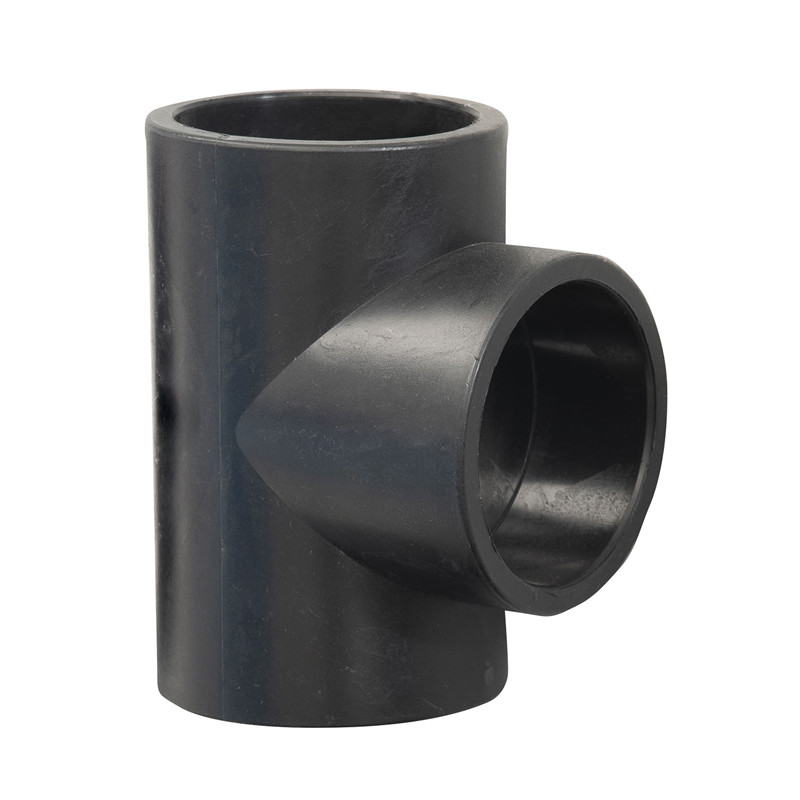
Image: Range of HDPE pipe fittings, including custom fabricated pieces.
Engaging with a manufacturer that possesses robust engineering capabilities and a flexible production line is key to successfully implementing customized HDPE pipe fitting solutions, ensuring perfect system integration and optimal performance.
Application Case Studies
Real-world applications demonstrate the tangible benefits and reliability of HDPE pipe fitting in diverse and challenging environments.
Case Study 1: Municipal Water Main Replacement
- Challenge: An aging ductile iron water main in a densely populated urban area was experiencing frequent bursts and significant water losses due to corrosion and ground settlement.
- Solution: The municipality opted for a full replacement with a PE100 HDPE pipe system, including butt-fusion HDPE pipe fitting for all connections, branches, and reducers.
- Outcome:
- Achieved a 98% reduction in leakage rates within the renovated section, saving millions of liters of water annually.
- Installation time was reduced by 30% compared to traditional methods due to the flexibility and lighter weight of HDPE, allowing for trenchless installation in some sections.
- Eliminated future corrosion-related maintenance costs, projecting over 50 years of maintenance-free service.
Case Study 2: Industrial Wastewater Treatment Plant
- Challenge: A chemical processing plant needed to upgrade its wastewater discharge lines, which handled a complex mix of corrosive industrial effluents. Previous metallic pipes and fittings were failing prematurely.
- Solution: High-chemical-resistant PE100 HDPE pipe fitting, including custom fabricated manifolds and flanged connections, were specified for the entire system. Electrofusion technology was extensively used to ensure completely sealed joints.
- Outcome:
- Achieved complete chemical resistance, eliminating leaks and environmental contamination risks.
- Operational lifespan extended from 5 years (previous system) to an expected 30+ years, significantly reducing lifecycle costs.
- Minimized plant downtime associated with pipe and fitting replacements.
Quality Assurance, Certifications, and Authoritative References
Our commitment to quality for HDPE pipe fitting is unwavering, underpinned by stringent quality assurance protocols and adherence to global industry standards.
- ISO 9001 Certified Manufacturing: Our production facilities operate under ISO 9001 quality management systems, ensuring consistent product quality from raw material inspection to final product packaging.
- International Standards Compliance: All HDPE pipe fitting are manufactured in strict accordance with relevant international standards, including but not limited to:
- ISO 4427: Polyethylene (PE) pipes and fittings for water supply.
- EN 12201: Plastics piping systems for water supply, and for drainage and sewerage under pressure - Polyethylene (PE).
- ASTM D3035: Standard Specification for Polyethylene (PE) Plastic Pipe (DR-PR) Based on Controlled Outside Diameter.
- DIN 8074/8075: PE pipes - PE 80, PE 100 - Dimensions, Technical delivery conditions.
- Third-Party Certifications: Our products often carry certifications from independent bodies like WRAS (Water Regulations Advisory Scheme) for potable water applications, KIWA, and DVGW, providing objective assurance of compliance and performance.
- Comprehensive Testing: Beyond routine quality checks, products undergo batch-specific hydrostatic tests, impact tests, and long-term creep rupture tests to validate their durability and pressure rating performance over decades.
- Partner Clients & Project Portfolio: Our fittings have been deployed in critical infrastructure projects globally, serving major municipal utilities, industrial conglomerates, and energy providers for over two decades.
These certifications and a proven track record underscore our authority and expertise in delivering reliable HDPE pipe fitting solutions.
Trustworthiness: FAQs, Lead Time, Warranty, and Support
We believe in transparency and comprehensive support to build lasting trust with our clients.
Frequently Asked Questions (FAQs):
Q: What is the typical service life of an HDPE pipe system with these fittings?
A: Under normal operating conditions and proper installation, HDPE pipe systems are designed for a service life of 50 to 100 years.
Q: Are your fittings compatible with pipes from other HDPE manufacturers?
A: Yes, our fittings are manufactured to international standards (e.g., ISO 4427, EN 12201) and are fully compatible with other HDPE pipes that adhere to the same standards and SDR ratings.
Q: What welding methods are suitable for your HDPE fittings?
A: Our HDPE fittings are primarily designed for butt fusion and electrofusion welding, which create strong, leak-proof, homogeneous joints. Mechanical fittings are also available for specific applications.
Q: Can these fittings be used for high-pressure applications?
A: Absolutely. Our PE100 fittings are available in various SDR ratings (e.g., SDR11, SDR17, SDR26) to accommodate pressures up to PN16 (16 bar) or higher, depending on the specific product and application requirements.
Lead Time and Fulfillment:
We maintain significant stock levels for common HDPE pipe fitting types and sizes to ensure rapid dispatch.
- Standard Products: Typically 1-2 weeks from order confirmation, depending on order volume and destination.
- Custom or Large Volume Orders: 3-5 weeks, as these may require specific production runs or specialized fabrication.
- Expedited Shipping: Available upon request, subject to additional charges. Our logistics team works closely with clients to meet project deadlines efficiently.
Warranty Commitments:
All our HDPE pipe fitting come with a standard 10-year manufacturer's warranty against defects in material and workmanship, provided they are installed and used in accordance with our guidelines and industry best practices. Specific project warranties can be negotiated for large-scale infrastructure projects.
Customer Support Information:
Our dedicated team of technical experts and customer service professionals is available to provide comprehensive support:
- Technical Consultations: Assistance with product selection, system design, and application-specific inquiries.
- Installation Guidance: Support for fusion techniques, site specific challenges, and best practices.
- After-Sales Service: Prompt response to any product-related issues or warranty claims.
- Contact: For inquiries, please visit our website or reach out via phone/email, available during business hours.
Conclusion
HDPE pipe fitting stand as a testament to modern engineering in fluid conveyance systems. Their unparalleled combination of corrosion resistance, durability, flexibility, and leak-proof jointing capabilities offers a superior solution for a vast array of critical infrastructure and industrial applications. As industries continue to prioritize long-term performance, environmental sustainability, and operational efficiency, the adoption of high-quality HDPE fitting will undoubtedly continue its upward trajectory, securing reliable and robust piping networks for generations.
References
- ISO 4427: Plastics piping systems for water supply, and for drainage and sewerage under pressure - Polyethylene (PE). International Organization for Standardization.
- ASTM D3035: Standard Specification for Polyethylene (PE) Plastic Pipe (DR-PR) Based on Controlled Outside Diameter. ASTM International.
- EN 12201: Plastics piping systems for water supply, and for drainage and sewerage under pressure - Polyethylene (PE). European Committee for Standardization.
- AWWA M55: PE Pipe - Design and Installation (Second Edition). American Water Works Association.
- Plastics Pipe Institute (PPI) Handbook of Polyethylene Pipe. Fifth Edition.
-
Ultimate Guide to High Performance Industrial pvc dowel rods
NewsApr.16,2026
-
Industrial Guide to Using High Quality cpvc welding rod for Piping
NewsApr.09,2026
-
Comprehensive Guide to Selecting the Best Welding Rods for PVC Applications
NewsApr.07,2026
-
Comprehensive Guide to Solid PVC Rod Applications and Material Selection
NewsApr.04,2026
-
Comprehensive Guide to Choosing the Right Welding Rod PVC for Optimal Results
NewsMar.31,2026
-
Comprehensive Guide to 12mm HDPE Sheet Properties Applications and More
NewsMar.28,2026