

Apr . 16, 2026 02:15 Back to list
Ultimate Guide to High Performance Industrial pvc dowel rods
The Ultimate Guide to PVC Dowel Rods: Versatility and Performance
In the world of modern construction and industrial fabrication, finding a material that balances strength, cost-effectiveness, and weather resistance is crucial. pvc dowel rods have emerged as a premier choice for professionals seeking a durable alternative to traditional wood or metal rods. Whether used for structural support, spacing, or decorative trim, these polymer rods offer unparalleled stability. In this comprehensive guide, we will explore why PVC is the superior choice for diverse applications and how to select the right specifications for your next project to ensure long-term reliability.
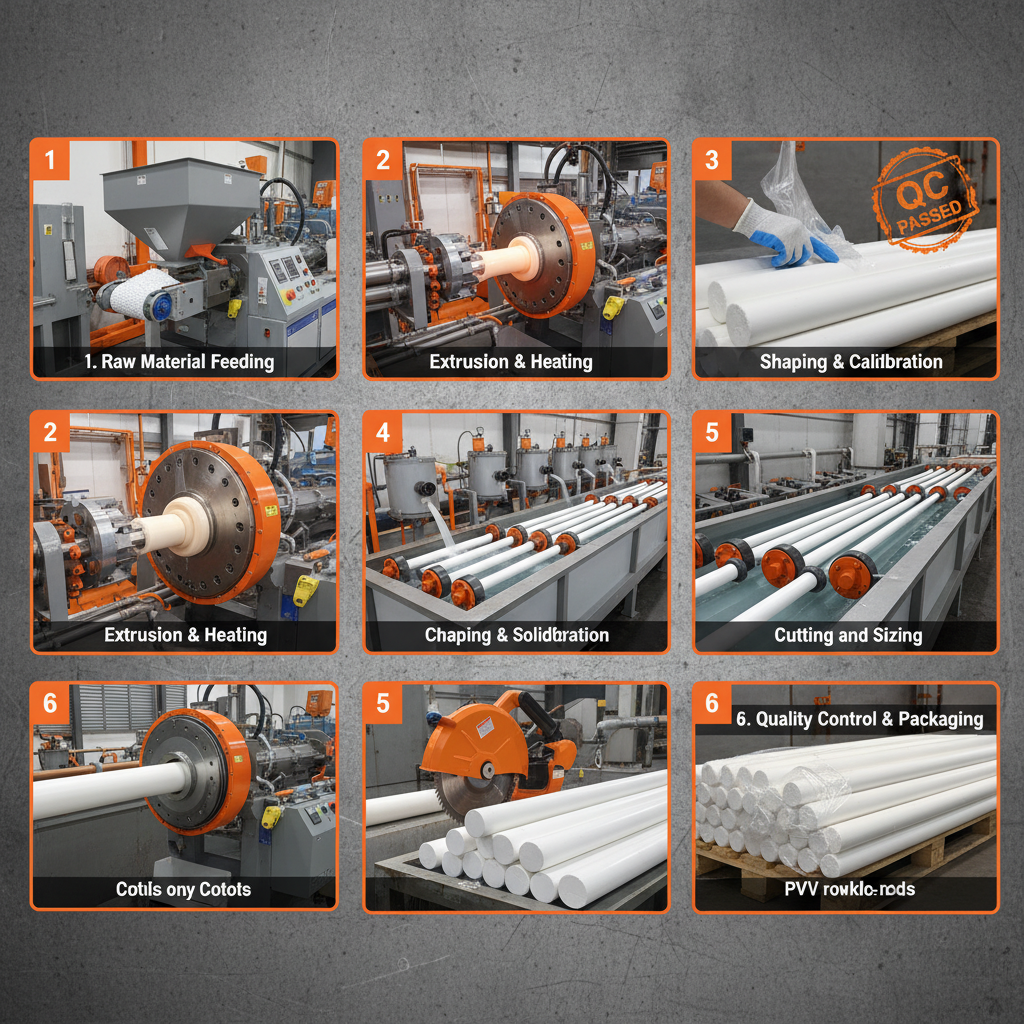
Unmatched Advantages of Using PVC Dowel Rods
One of the primary reasons engineers and DIY enthusiasts prefer pvc dowel rods over organic materials is their complete immunity to rot and corrosion. Unlike wooden dowels, which warp when exposed to moisture, or steel rods, which rust over time, PVC remains structurally sound in the most humid environments. Furthermore, the lightweight nature of PVC reduces transportation costs and simplifies the installation process, making it an ideal solution for large-scale commercial projects. Its chemical resistance also makes it indispensable in laboratory or industrial settings where exposure to acids or bases is common.
Core Benefits: PVC is inherently waterproof, termite-proof, and requires zero painting or sealing, which drastically reduces long-term maintenance costs compared to traditional materials.
Comparative Analysis: PVC vs. Wood and Aluminum
When deciding on the best material for a project, it is essential to compare the physical properties of the options. While aluminum offers high strength, it can be expensive and difficult to customize without specialized machinery. Wood is accessible but lacks longevity in outdoor settings. pvc dowel rods bridge the gap by providing sufficient rigidity for most non-load-bearing applications while ensuring the project lasts for decades without degradation. The following table highlights the critical differences in performance.
Practical Applications for PVC Dowel Rods in Industry
The adaptability of pvc dowel rods allows them to be used across a vast spectrum of industries. In marine applications, they are used for handrail components and deck spacers where salt water would instantly destroy other materials. In the automotive sector, they serve as non-conductive spacers and guides. Additionally, architects often integrate these rods into exterior cladding and window frames to provide structural support without the risk of thermal bridging or moisture seepage. Even in the arts and crafts sector, their ability to be easily cut and sanded makes them a favorite for custom prototypes.
Technical Specifications and Sizing of PVC Dowel Rods
To achieve the best results, it is critical to match the diameter and length of the pvc dowel rods to the specific load requirements of the project. Standard PVC rods are extruded to maintain tight tolerances, ensuring a snug fit when inserted into pre-drilled holes. Depending on the grade of PVC (such as Schedule 40 or 80 equivalents), the rigidity varies. For projects requiring higher impact resistance, reinforced PVC options are available. Below is a typical specification table for standard industrial PVC rods.
Installation and Maintenance Tips for Long-Term Use
Installing pvc dowel rods is straightforward, but following a few professional tips can enhance the result. When cutting, use a fine-tooth saw to prevent fraying or cracking of the edges. For securing the rods, PVC-specific solvent cements are recommended as they create a chemical weld, making the joint as strong as the rod itself. If the rods are used in high-UV outdoor areas, ensuring they are UV-stabilized prevents yellowing and brittleness over time. Maintenance is minimal, typically requiring only a damp cloth and mild soap to keep the surfaces clean and professional-looking.
Selecting the Right Supplier for Your PVC Needs
Not all PVC products are created equal. When sourcing pvc dowel rods, it is vital to partner with a manufacturer that adheres to strict quality control standards. Look for suppliers who provide detailed technical data sheets and offer customizable dimensions to fit your specific blueprint. A reputable supplier should be able to guarantee material purity, ensuring there are no air bubbles or inconsistencies in the rod's core, which could lead to premature failure under pressure. Reliability in the supply chain ensures your project stays on schedule and within budget.
Conclusion: The Future of Structural Spacing with PVC
In conclusion, pvc dowel rods offer a sophisticated, durable, and cost-effective solution for a multitude of industrial and residential challenges. By eliminating the risks of rot, rust, and high maintenance, they allow builders to focus on quality and design rather than constant repair. Whether you are working on a marine project, an industrial spacer system, or a custom home renovation, choosing high-grade PVC is a strategic decision for longevity. Invest in the right materials today to secure the stability of your structures tomorrow.
Frequently Asked Questions (FAQs)
Can PVC dowel rods be painted or glued?
Yes, pvc dowel rods can be glued and painted, although specific materials are required. For gluing, a PVC solvent cement is highly recommended as it fuses the plastic together. For painting, it is best to use a primer specifically designed for plastics followed by a high-quality acrylic or enamel paint. This ensures the paint adheres properly and does not peel over time due to the non-porous nature of the PVC surface.
Are PVC dowel rods strong enough for load-bearing walls?
Generally, PVC dowel rods are intended for non-load-bearing applications, such as spacers, guides, decorative trim, or lightweight supports. While they have excellent compressive strength, they do not possess the structural rigidity of steel or reinforced concrete. If your project requires heavy structural load-bearing capacity, we recommend consulting an engineer to determine if a reinforced polymer or a metal rod would be more appropriate for the specific stress levels of the build.
How do I prevent PVC rods from sagging over long distances?
To prevent sagging (deflection) over longer spans, you can increase the diameter of the rod, as a thicker rod provides significantly more rigidity. Additionally, implementing intermediate support brackets or guides every few feet can maintain the rod's linear alignment. For extreme cases, some users opt for a "composite" approach where a metal core is inserted into a hollow PVC sleeve, combining the strength of metal with the corrosion resistance of pvc dowel rods.
Are these rods environmentally friendly?
PVC is a highly durable material, which means products made from it last much longer than organic alternatives, reducing the need for frequent replacements and thus lowering overall waste. Furthermore, many modern PVC manufacturers are implementing recycling programs to repurpose scrap material. By choosing a reputable supplier like Lida Plastic, you can ensure that the production process meets industry safety and environmental standards, contributing to a more sustainable construction cycle.
-
Ultimate Guide to High Performance Industrial pvc dowel rods
NewsApr.16,2026
-
Industrial Guide to Using High Quality cpvc welding rod for Piping
NewsApr.09,2026
-
Comprehensive Guide to Selecting the Best Welding Rods for PVC Applications
NewsApr.07,2026
-
Comprehensive Guide to Solid PVC Rod Applications and Material Selection
NewsApr.04,2026
-
Comprehensive Guide to Choosing the Right Welding Rod PVC for Optimal Results
NewsMar.31,2026
-
Comprehensive Guide to 12mm HDPE Sheet Properties Applications and More
NewsMar.28,2026