

Nūhou
-
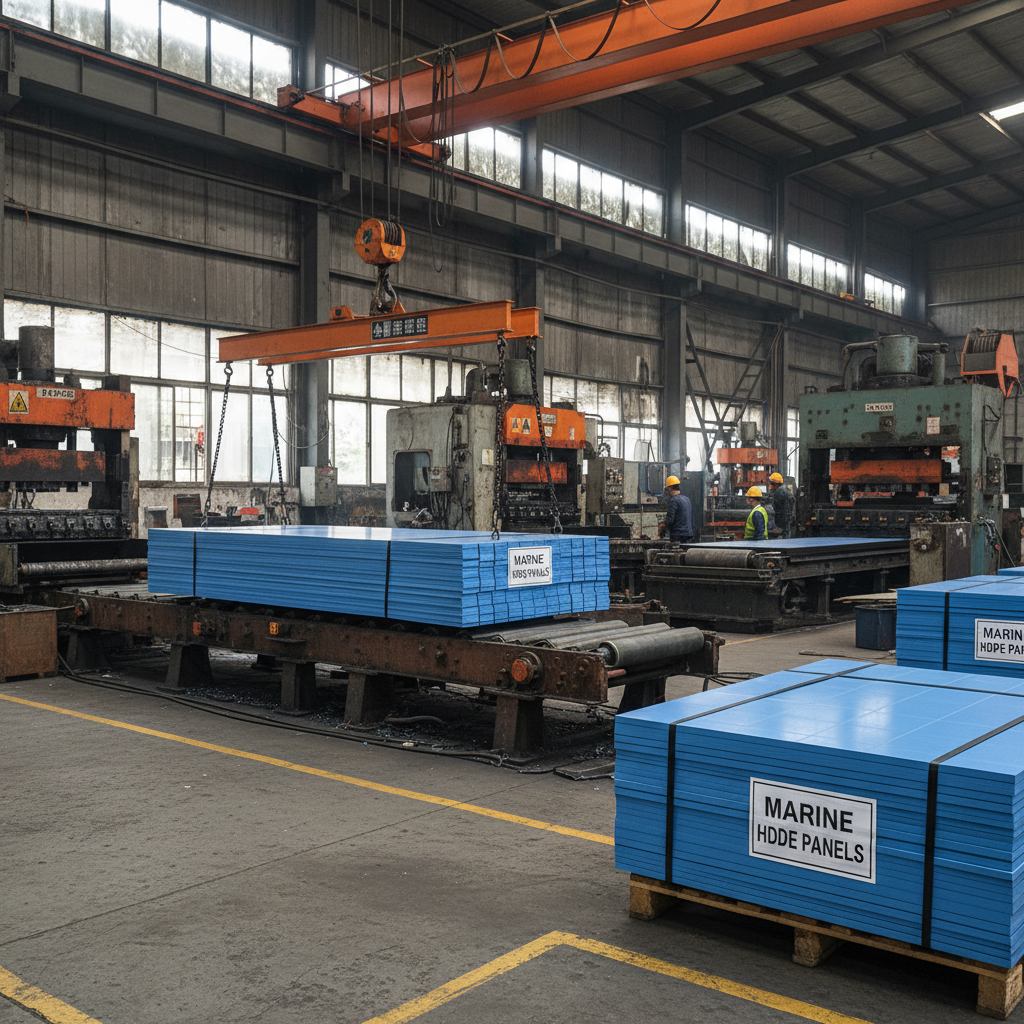 When considering materials for marine applications, durability, corrosion resistance, and lightweight properties are paramount. Marine HDPE sheets offer a compelling solution, providing exceptional performance in harsh saltwater environments. This article will delve into the benefits, applications, and key considerations when choosing HDPE for your marine projects. We'll explore why Lida Plastic's HDPE sheets are a trusted choice for marine professionals. High-Density Polyethylene (HDPE) is a thermoplastic polymer known for its high strength-to-density ratio. Marine grade HDPE sheets are specifically formulated to withstand prolonged exposure to saltwater, UV radiation, and extreme temperatures. Unlike metals, HDPE doesn't corrode, eliminating the need for costly maintenance and repairs. It's also incredibly impact-resistant, making it ideal for applications where durability is crucial. The inherent properties of HDPE make it significantly lighter than traditional materials like steel or aluminum, contributing to fuel efficiency and easier handling.Heluhelu hou aku
 -
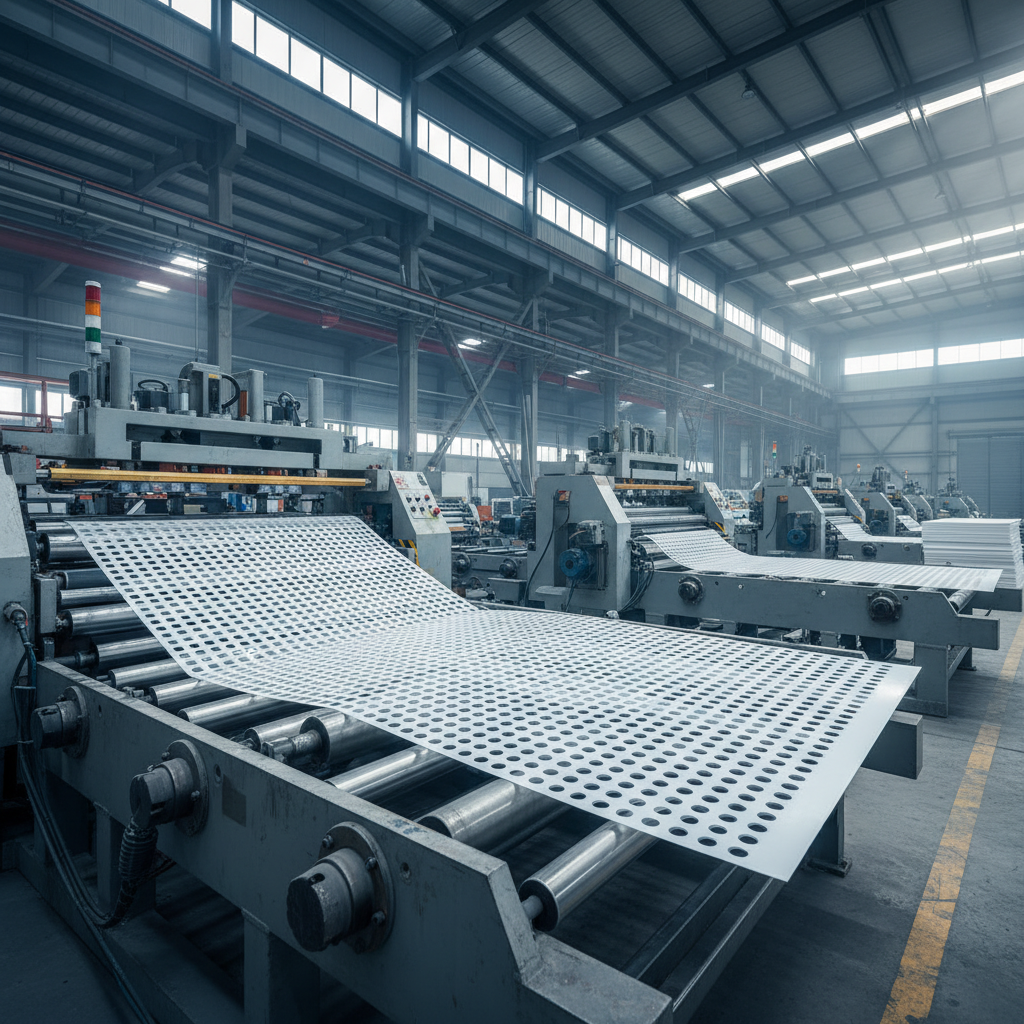 Perforated High-Density Polyethylene (HDPE) sheet is a versatile plastic material widely used in various industrial and commercial applications. Its unique combination of strength, durability, and lightweight properties makes it an excellent alternative to traditional materials like metal. This article delves into the characteristics of perforated HDPE sheet, its manufacturing process, key applications, and benefits, helping you understand why it’s becoming a preferred choice for numerous projects. We’ll explore how its perforations enhance functionality and make it ideal for specific uses. Perforated HDPE sheet is created by punching holes of various sizes and patterns into a solid HDPE sheet. HDPE itself is known for its high strength-to-density ratio, making it incredibly durable and resistant to chemicals, moisture, and impact. The perforations add functionality, allowing for airflow, filtration, sound transmission, or visual access. This engineered plastic is often preferred for its longevity and resistance to corrosion, especially in harsh environments.Heluhelu hou aku
 -
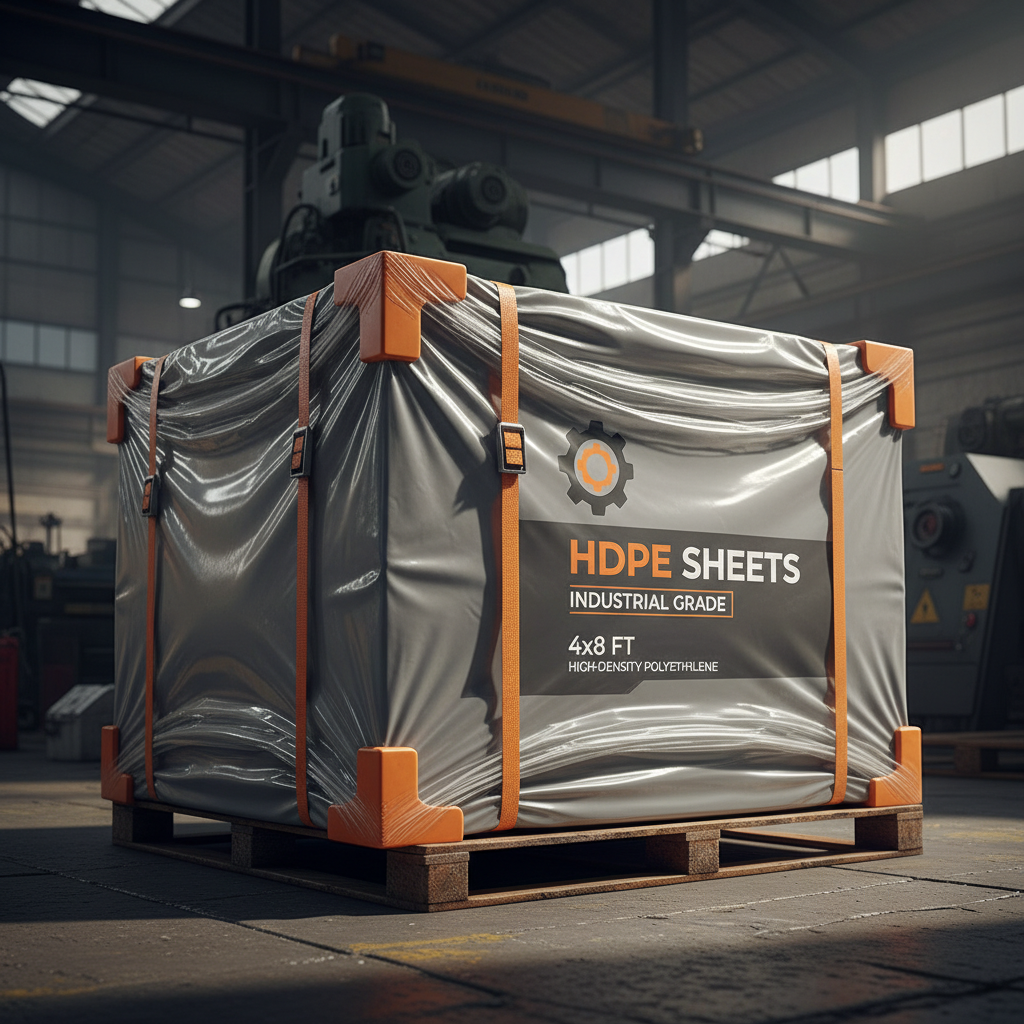 High-Density Polyethylene (HDPE) sheets are a versatile plastic material used across a wide range of industries. A common size, the 4x8 sheet of HDPE, offers an excellent balance of strength, durability, and cost-effectiveness. This article will explore the properties of HDPE, its applications, manufacturing processes, and why choosing a reliable supplier like Lida Plastic is crucial for your project needs. We’ll delve into how its resistance to chemicals, moisture, and impact makes it a superior choice for diverse requirements. HDPE is renowned for its exceptional properties, making it suitable for demanding applications. These include high impact resistance, even at low temperatures; excellent resistance to chemicals, solvents, and acids; low moisture absorption; and good electrical insulation properties. A 4x8 sheet of HDPE maintains its integrity in harsh environments and is relatively lightweight, simplifying installation and handling. Its ease of fabrication—welding, machining, and forming—further expands its usability.Heluhelu hou aku
 -
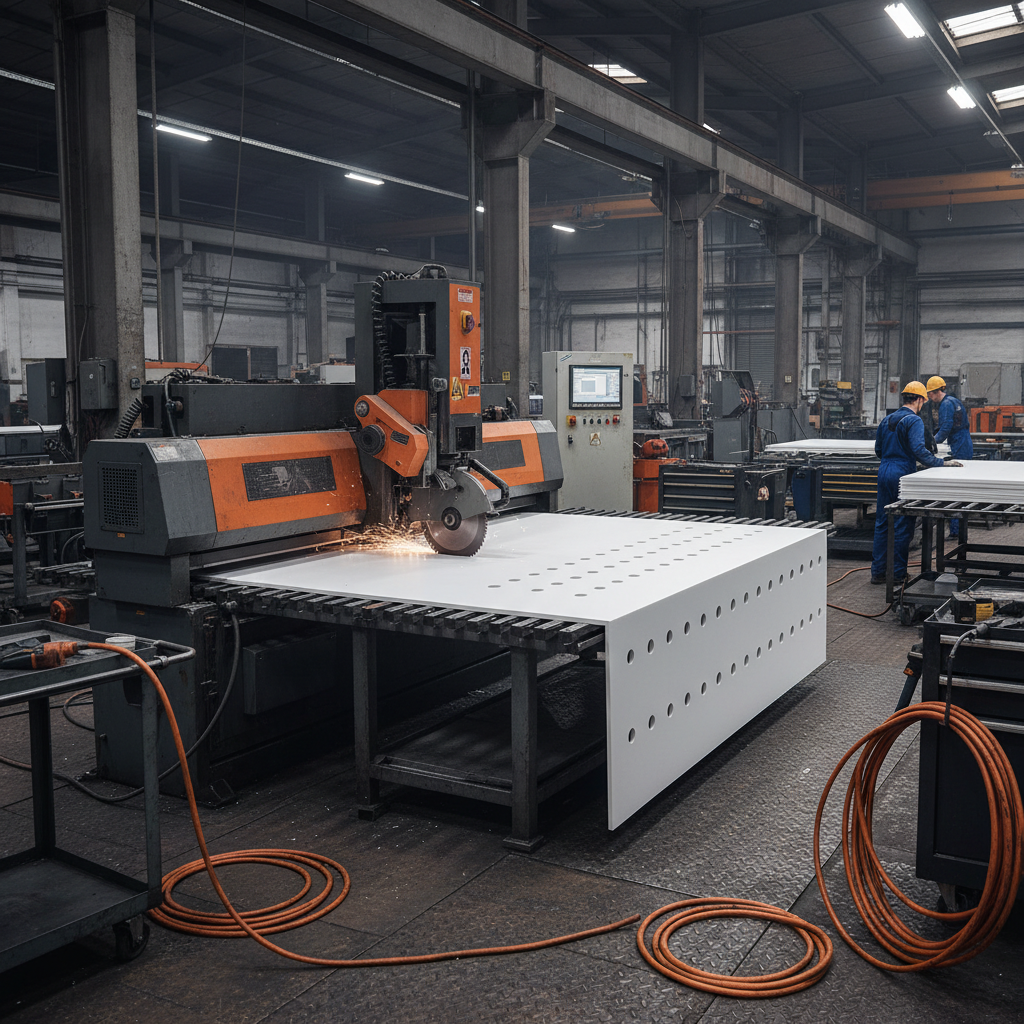 High-Density Polyethylene (HDPE) sheets are incredibly versatile plastic materials known for their durability, chemical resistance, and cost-effectiveness. A 5mm HDPE sheet, in particular, strikes a balance between strength and flexibility, making it ideal for a wide range of applications. This article will explore the properties of 5mm HDPE, its diverse uses across various industries, and why choosing a reliable supplier like Lida Plastic is crucial. Choosing the right material for your project can significantly impact its longevity and performance. 5mm HDPE sheets boast an impressive array of properties that make them a popular choice in numerous industries. They are known for their high tensile strength, meaning they can withstand significant pulling forces without breaking. Furthermore, HDPE is exceptionally resistant to chemicals, making it suitable for applications involving corrosive substances. Its low moisture absorption rate ensures dimensional stability, even in humid environments.Heluhelu hou aku
 -
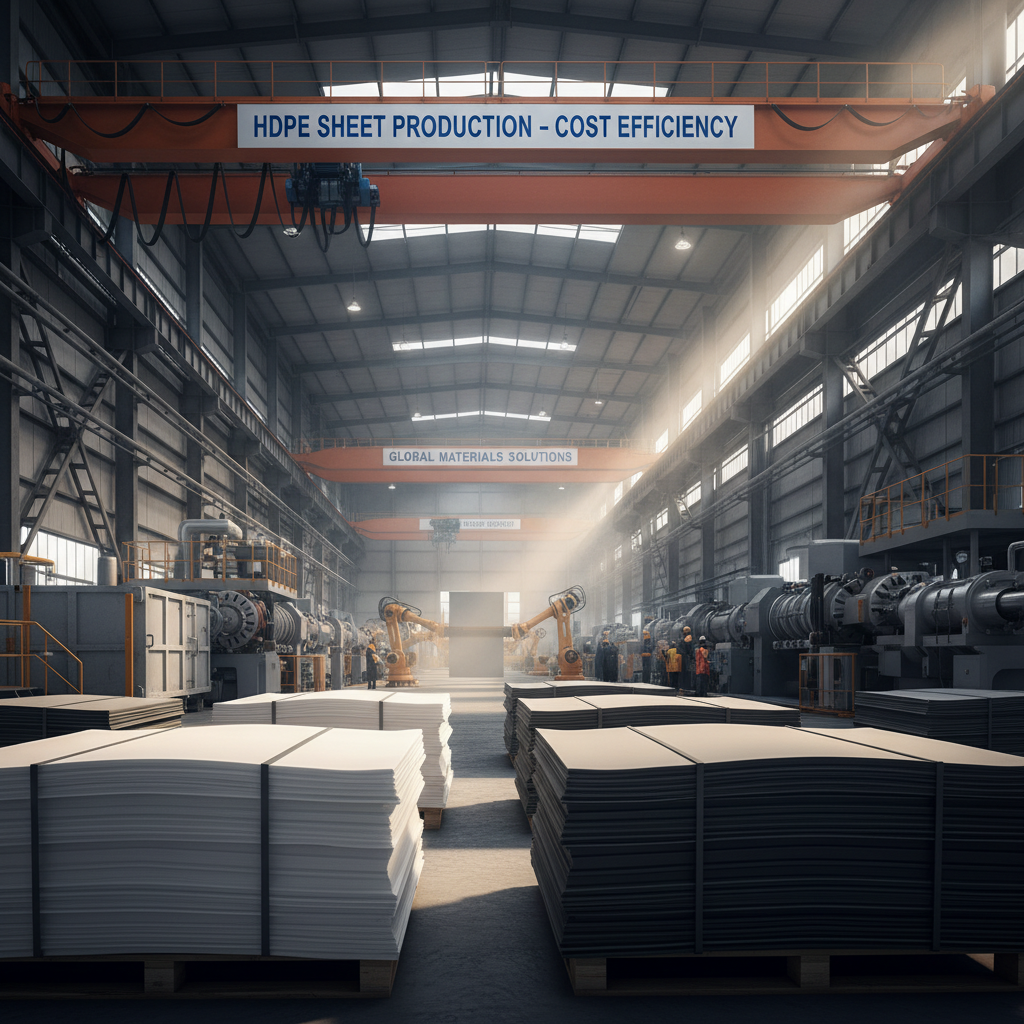 When sourcing plastic materials for various applications, understanding the HDPE sheet cost is crucial for budget planning and project success. High-Density Polyethylene (HDPE) sheets are renowned for their durability, chemical resistance, and versatility, making them a popular choice across numerous industries. This article will delve into the factors influencing HDPE sheet pricing, typical cost ranges, and how to optimize your purchase. We will also explore different grades and thicknesses and how these affect the final price. Choosing the right HDPE sheet supplier is key to getting the best value. The cost of HDPE sheets isn't fixed and varies depending on several key factors. The price of raw polyethylene resin is a major driver – fluctuations in oil prices directly impact resin costs. Sheet thickness is another significant factor; thicker sheets require more material and therefore are more expensive. Grade of HDPE plays a role; virgin HDPE is generally pricier than recycled HDPE. Furthermore, the size of the sheet (dimensions) and quantity ordered influence the unit cost, with bulk orders typically receiving discounts.Heluhelu hou aku
 -
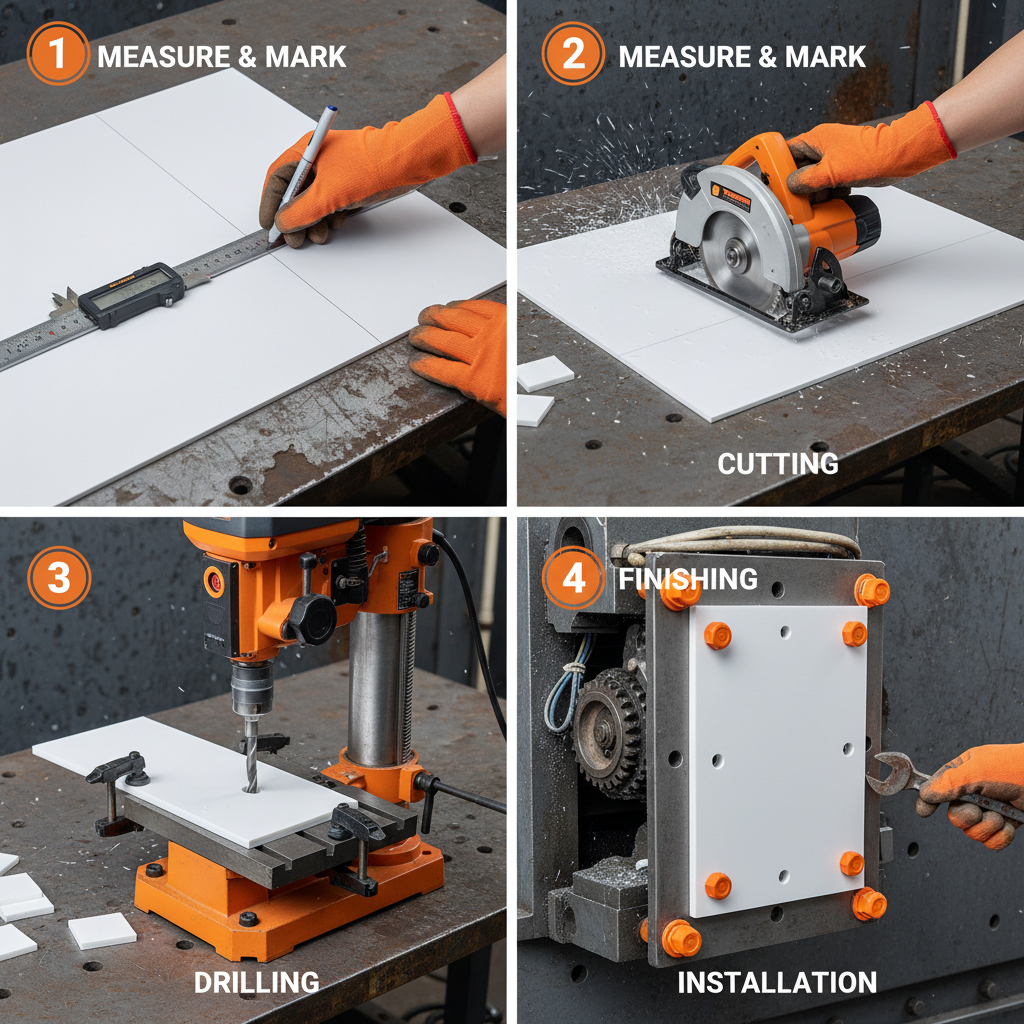 High-Density Polyethylene (HDPE) sheet, particularly in the 10mm thickness, is a versatile plastic material widely used across numerous industries. Known for its strength, durability, and chemical resistance, 10mm HDPE sheet offers a cost-effective solution for a range of applications. This article provides an in-depth look at the properties, applications, and advantages of using 10mm HDPE sheet, with a focus on how Lida Plastic can meet your needs. We'll explore its suitability for various projects and highlight its competitive advantages. 10mm HDPE sheet boasts a unique combination of properties that make it ideal for diverse applications. Its high tensile strength and impact resistance ensure durability even in demanding environments. Furthermore, HDPE is chemically inert, resisting degradation from acids, bases, and many solvents. This makes it suitable for applications involving corrosive substances.Heluhelu hou aku
 -
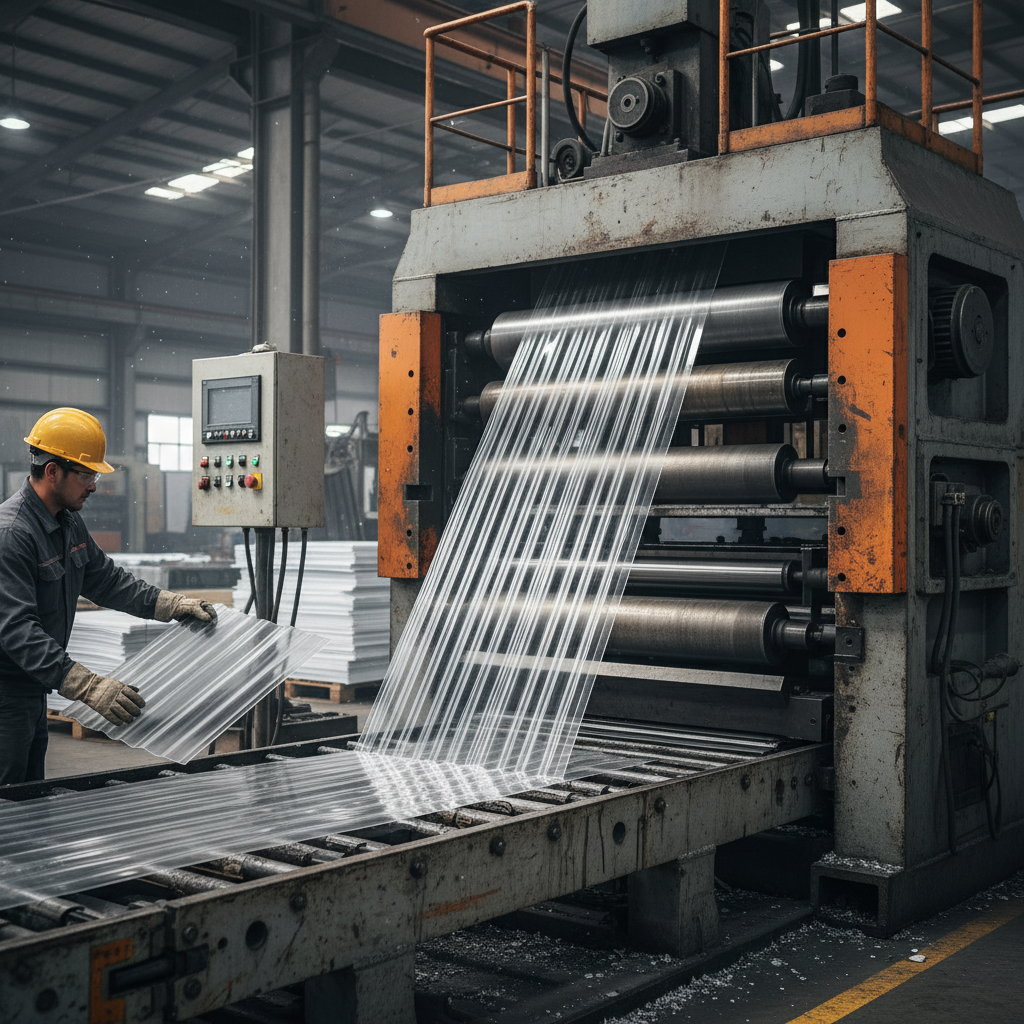 High-Density Polyethylene (HDPE) transparent sheets are versatile plastic materials finding increasing applications across various industries. Known for their exceptional clarity, strength, and chemical resistance, these sheets offer a robust alternative to glass in numerous applications. This article will explore the properties, applications, benefits, and considerations when choosing HDPE transparent sheet for your projects. We’ll cover everything from manufacturing processes to practical uses and sourcing options. HDPE transparent sheets are manufactured from high-density polyethylene resin. The transparency is achieved through specialized extrusion processes and the addition of clarifying agents. Key properties include excellent impact resistance, even at low temperatures, making them far safer than glass in many applications. They also exhibit high chemical resistance, making them suitable for use with a wide range of substances.Heluhelu hou aku
 -
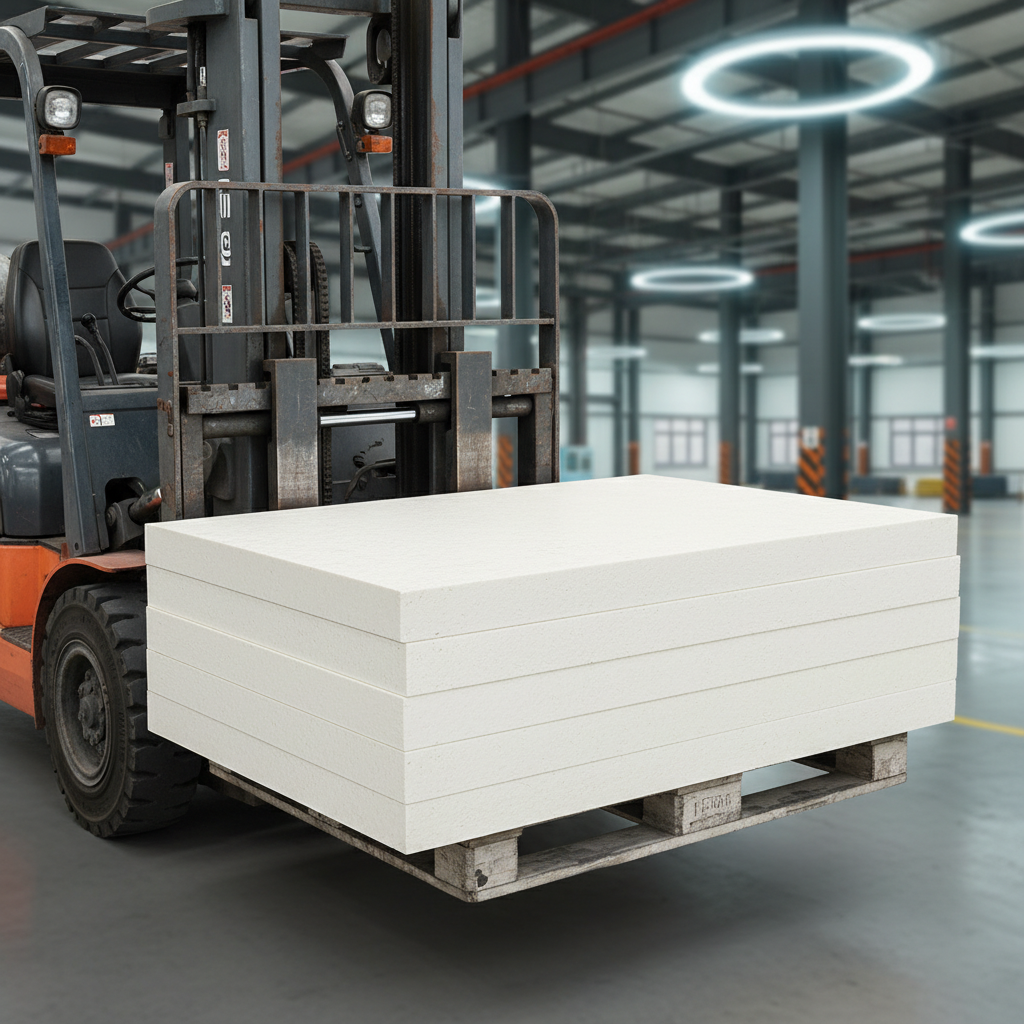 HDPE (High-Density Polyethylene) plastic sheets in a 4x8 foot size are a versatile material used across numerous industries. Known for their durability, chemical resistance, and cost-effectiveness, these sheets offer a practical solution for a wide array of applications. This article will delve into the properties, applications, benefits, and sourcing of HDPE plastic sheets 4x8, providing a thorough overview for businesses and individuals alike. Whether you’re looking for materials for construction, fabrication, or protective lining, understanding HDPE is crucial for making informed decisions. HDPE plastic sheets boast an impressive range of properties that make them ideal for diverse applications. These include high impact strength, excellent chemical resistance (resisting acids, bases, and solvents), a low coefficient of friction, and UV resistance. Furthermore, HDPE is a lightweight material, making it easy to handle and install. It is also a food-grade material, meaning it's safe for applications involving food contact. These properties contribute to its longevity and reliability in demanding environments.Heluhelu hou aku
 -
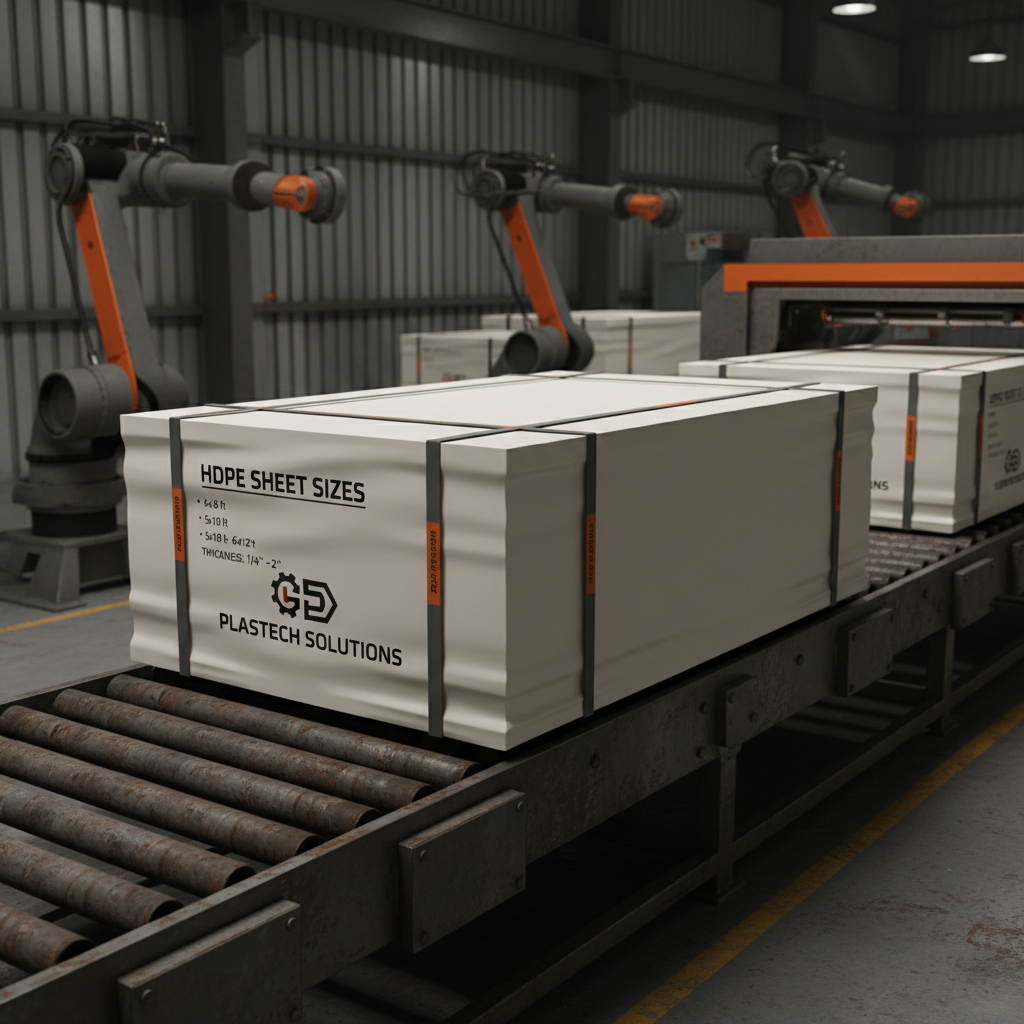 High-Density Polyethylene (HDPE) sheets are incredibly versatile plastic materials used across a wide range of industries, from construction and agriculture to marine and automotive. A crucial aspect of selecting the right HDPE sheet is understanding the available HDPE sheet sizes. This article will delve into the standard dimensions, thicknesses, and considerations for choosing the perfect HDPE sheet for your specific application. We’ll cover everything from common sheet sizes to custom cutting options, ensuring you have the information needed to make an informed decision. HDPE sheets are commonly available in standard sizes to streamline manufacturing and distribution. These typical dimensions cater to a broad spectrum of applications, minimizing waste and optimizing cost-effectiveness. The most frequently encountered sheet sizes are 4ft x 8ft (1220mm x 2440mm), and 4ft x 6ft (1220mm x 1830mm). However, larger sheets, like 5ft x 10ft, are also available for specific project requirements.Heluhelu hou aku
 -
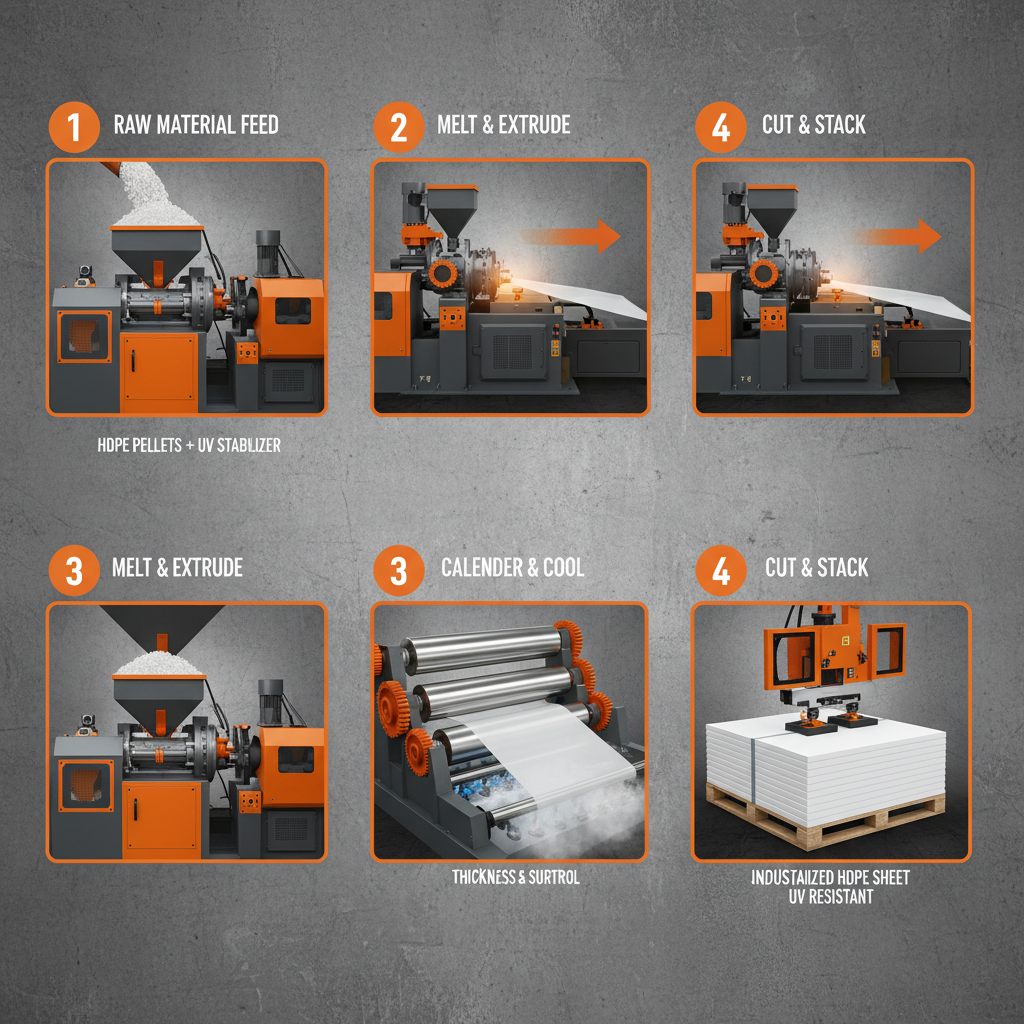 When choosing plastic sheeting for outdoor applications, durability and resistance to degradation are paramount. UV stabilized HDPE sheet offers a robust solution, designed to withstand prolonged exposure to the sun’s harmful ultraviolet rays. This article will delve into the properties, benefits, and applications of UV stabilized HDPE, providing a thorough overview for businesses and individuals seeking reliable plastic sheeting. We’ll explore why it’s the preferred choice for a wide range of outdoor projects, from construction to agriculture. High-Density Polyethylene (HDPE) is a thermoplastic polymer known for its high strength-to-density ratio. However, standard HDPE is susceptible to degradation from UV radiation, leading to brittleness and discoloration over time. UV stabilized HDPE sheet incorporates additives – typically carbon black or specialized UV inhibitors – that absorb or reflect UV rays, significantly extending the material's lifespan in outdoor environments. This stabilization process ensures the sheet maintains its structural integrity, color, and physical properties even after prolonged sun exposure. Lida Plastic offers a wide range of UV stabilized HDPE sheets to suit diverse needs.Heluhelu hou aku
 -
HDPE (High-Density Polyethylene) roofing sheets are rapidly gaining popularity as a durable, lightweight, and cost-effective roofing solution. Their resistance to corrosion, UV radiation, and harsh weather conditions makes them ideal for a wide range of applications, from agricultural buildings to residential homes. This article provides an in-depth look at HDPE roofing sheets, covering their benefits, applications, installation, and why Lida Plastic is a leading provider of high-quality HDPE roofing solutions. Choosing the right roofing material is a crucial investment, and HDPE offers a compelling combination of performance and value. HDPE roofing sheets are manufactured from high-density polyethylene, a thermoplastic polymer known for its strength and resilience. This material offers excellent resistance to chemicals, moisture, and impact, making it a superior alternative to traditional roofing materials like metal or asphalt in certain applications.Heluhelu hou aku
-
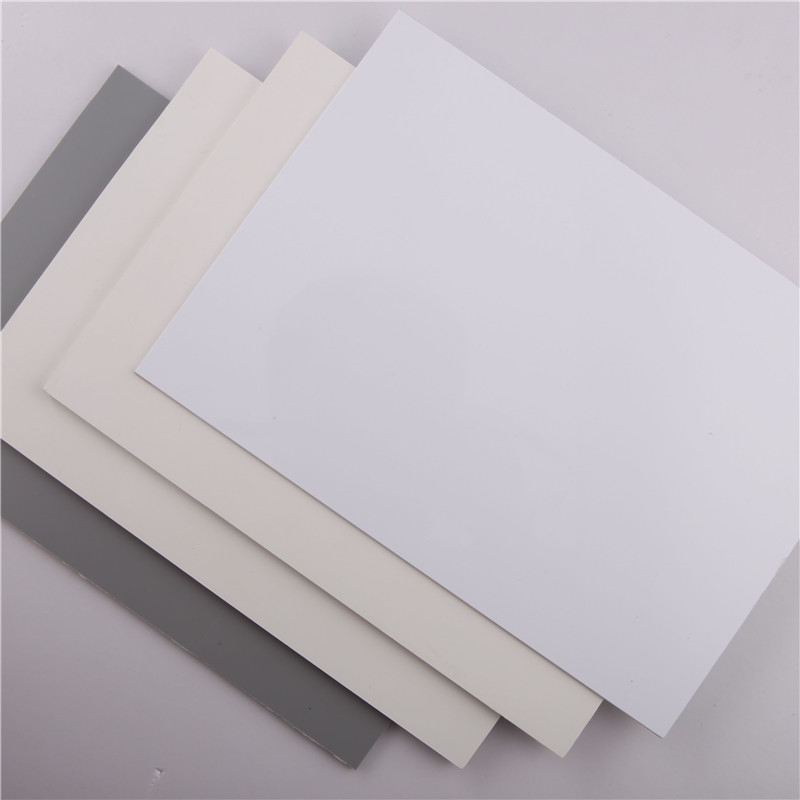 Discover durable PVC rigid sheet with matt surface for versatile industrial applications. Combines chemical resistance, lightweight design, and eco-friendly certification. Lida Plastic Co., Ltd. ensures quality with UL94 V0 and RoHS compliance. Explore now: https://www.lidaplastic.comHeluhelu hou aku