

Mar . 03, 2026 18:45 Back to list
Comprehensive Guide to Durable UV Stabilized HDPE Sheet for Outdoor Use
UV Stabilized HDPE Sheet: A Comprehensive Guide
When choosing plastic sheeting for outdoor applications, durability and resistance to degradation are paramount. UV stabilized HDPE sheet offers a robust solution, designed to withstand prolonged exposure to the sun’s harmful ultraviolet rays. This article will delve into the properties, benefits, and applications of UV stabilized HDPE, providing a thorough overview for businesses and individuals seeking reliable plastic sheeting. We’ll explore why it’s the preferred choice for a wide range of outdoor projects, from construction to agriculture.
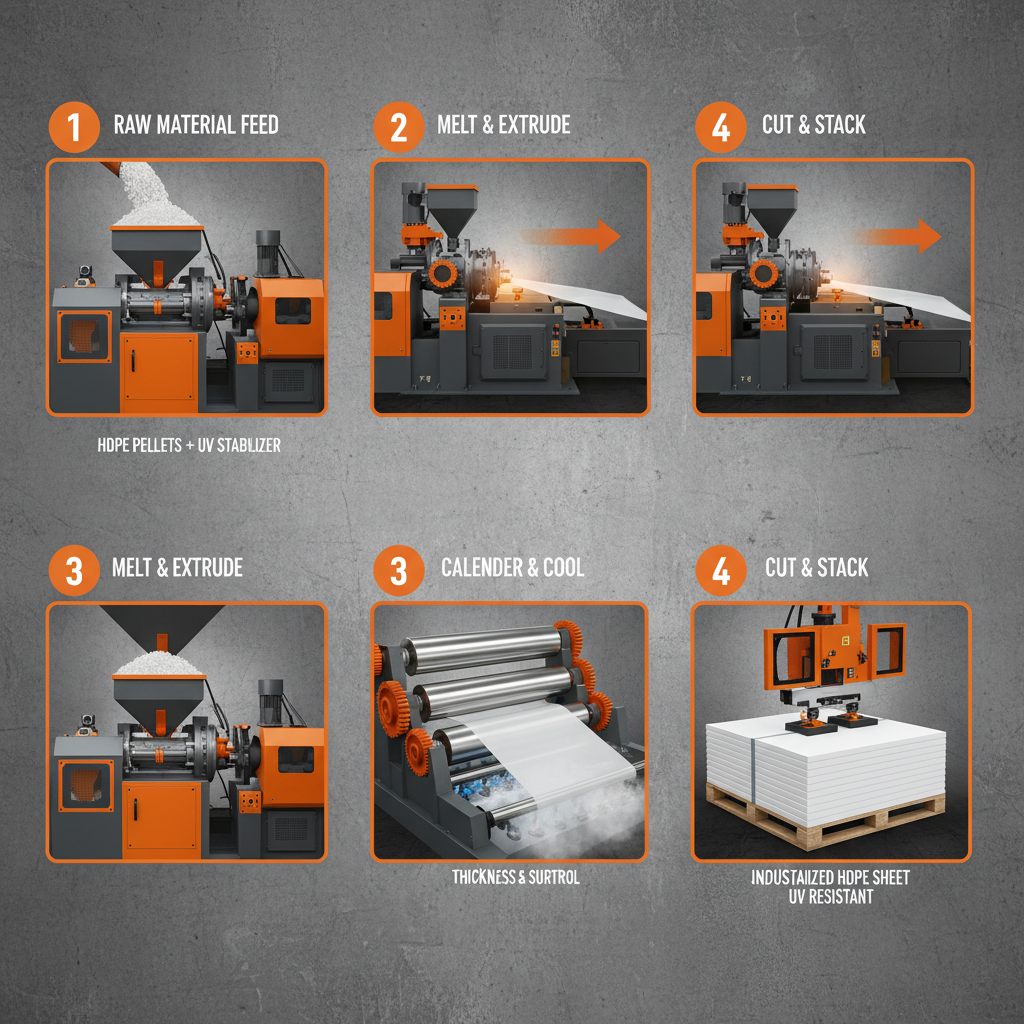
What is UV Stabilized HDPE Sheet?
High-Density Polyethylene (HDPE) is a thermoplastic polymer known for its high strength-to-density ratio. However, standard HDPE is susceptible to degradation from UV radiation, leading to brittleness and discoloration over time. UV stabilized HDPE sheet incorporates additives – typically carbon black or specialized UV inhibitors – that absorb or reflect UV rays, significantly extending the material's lifespan in outdoor environments. This stabilization process ensures the sheet maintains its structural integrity, color, and physical properties even after prolonged sun exposure. Lida Plastic offers a wide range of UV stabilized HDPE sheets to suit diverse needs.
Key Highlights: Incorporates UV inhibitors to absorb or reflect harmful rays, extending lifespan and maintaining structural integrity.
Key Benefits of Using UV Stabilized HDPE Sheet
Choosing UV stabilized HDPE sheet offers numerous advantages over non-stabilized alternatives. The most significant benefit is its exceptional durability in outdoor conditions. It resists cracking, fading, and degradation caused by sunlight, ensuring a longer service life and reducing replacement costs. Additionally, HDPE is chemical resistant, waterproof, and lightweight, making it versatile for various applications. Its impact resistance provides a strong barrier against physical damage. Compared to materials like wood or metal, UV stabilized HDPE requires minimal maintenance and is cost-effective in the long run.
UV Stabilization Benefits:
• Enhanced Durability: Resists cracking and degradation from UV exposure.
• Extended Lifespan: Reduces the need for frequent replacements.
• Color Retention: Maintains its original color for longer periods.
• Cost-Effective: Lower lifecycle costs due to reduced maintenance and replacements.
Applications of UV Stabilized HDPE Sheet
The versatility of UV stabilized HDPE sheet makes it ideal for a broad spectrum of applications. Common uses include: construction site fencing, agricultural liners for ponds and irrigation channels, outdoor storage containers, playground equipment, marine applications such as dock panels, and temporary shelters. Its resistance to moisture and chemicals also makes it suitable for use in wastewater tanks and chemical storage areas. The ability to customize the sheet’s size and thickness further enhances its adaptability to specific project requirements. Lida Plastic's HDPE sheets are trusted across numerous industries.
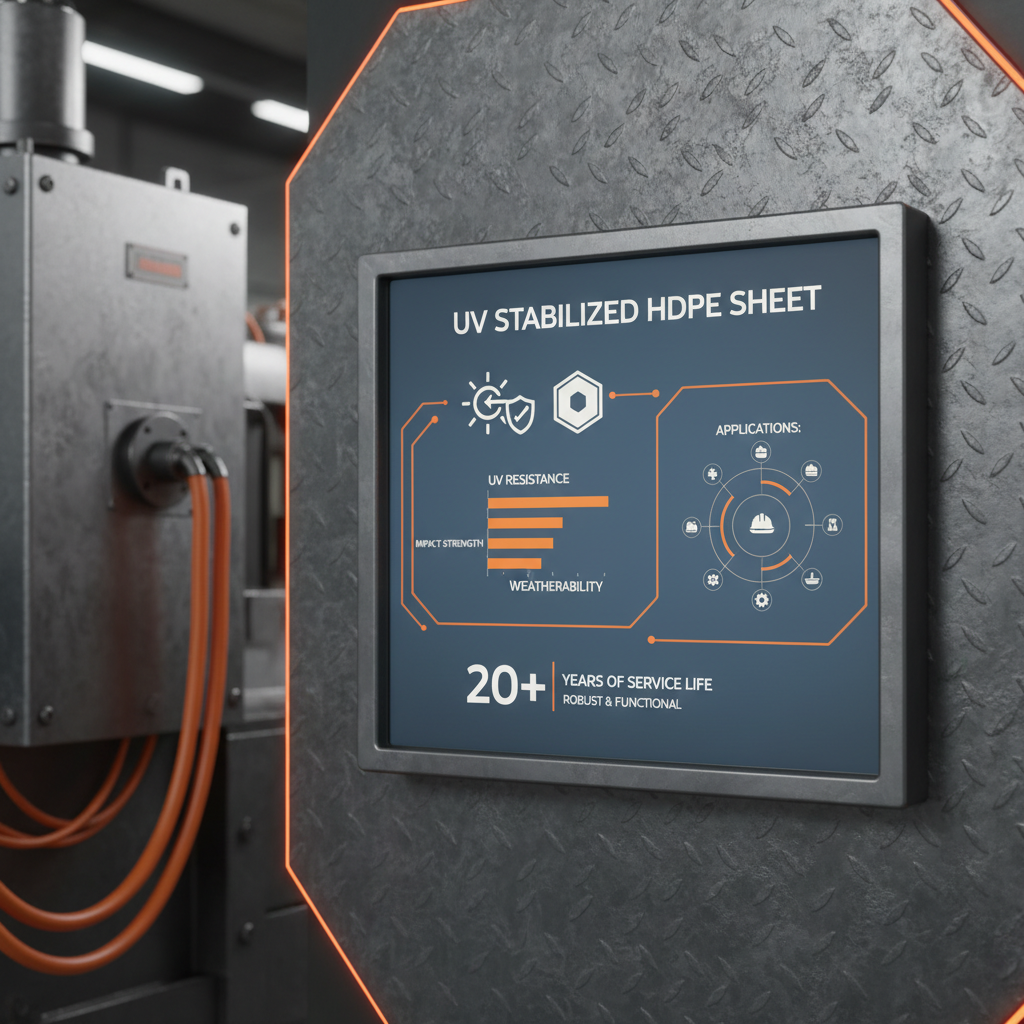
UV Stabilized HDPE Sheet vs. Other Materials: A Comparison
When considering materials for outdoor applications, UV stabilized HDPE often outperforms alternatives like wood, metal, and standard polyethylene. Wood requires regular maintenance (painting, staining) to prevent rot and decay. Metal is susceptible to corrosion and can be expensive. Standard polyethylene degrades rapidly in sunlight. UV stabilized HDPE offers a balance of durability, cost-effectiveness, and minimal maintenance. Here’s a detailed comparison:
Choosing the Right UV Stabilized HDPE Sheet: Specifications to Consider
Selecting the appropriate UV stabilized HDPE sheet requires considering several factors, including thickness, size, color, and the level of UV stabilization. Thickness dictates the sheet's strength and rigidity – thicker sheets are suitable for heavier-duty applications. Size should be determined by the specific project requirements. The level of UV stabilization is often indicated by a percentage – higher percentages offer greater protection. Lida Plastic offers custom sizing and stabilization levels to meet your unique needs.
Conclusion: A Durable and Reliable Choice
UV stabilized HDPE sheet represents a smart investment for any outdoor project. Its durability, resistance to degradation, and cost-effectiveness make it a superior choice compared to many traditional materials. By choosing the right specifications and a reputable supplier like Lida Plastic, you can ensure a long-lasting and reliable solution for your needs.
Frequently Asked Questions (FAQs)
How long will UV stabilized HDPE sheet last outdoors?
The lifespan of UV stabilized HDPE sheet depends on the intensity of UV exposure, climate conditions, and the quality of the UV stabilization additives. However, a properly stabilized sheet can typically last for 5-10 years or even longer with minimal degradation. Regular inspection for any signs of wear and tear is recommended. The higher the percentage of UV stabilizer used during manufacturing, the longer the sheet will resist UV damage. Maintaining clean surface will also help prolong its life.
Is UV stabilized HDPE sheet recyclable?
Yes, HDPE is a highly recyclable plastic. UV stabilized HDPE sheet can be recycled at facilities that accept HDPE #2 plastic. Recycling helps reduce landfill waste and conserves valuable resources. Ensure the sheet is clean and free of contaminants before recycling. Contact your local recycling center for specific guidelines and acceptance criteria.
Can UV stabilized HDPE sheet be painted?
Yes, UV stabilized HDPE sheet can be painted, but proper surface preparation is crucial for optimal adhesion. Clean the surface thoroughly with a suitable cleaner to remove any dirt or contaminants. Use a primer specifically designed for plastic surfaces before applying the paint. Choose a paint that is compatible with HDPE and designed for outdoor use. Consider using a paint with UV inhibitors to further enhance protection against sunlight.
What is the typical thickness range available for UV stabilized HDPE sheets?
UV stabilized HDPE sheets are available in a wide range of thicknesses, typically from 1/8 inch (3mm) up to 1/2 inch (12mm) or even thicker, depending on the application. Thinner sheets are suitable for temporary protection or lightweight applications, while thicker sheets provide greater strength and rigidity for demanding projects. Lida Plastic offers a comprehensive selection of thicknesses to meet diverse needs.
-
Ultimate Guide to High Performance Industrial pvc dowel rods
NewsApr.16,2026
-
Industrial Guide to Using High Quality cpvc welding rod for Piping
NewsApr.09,2026
-
Comprehensive Guide to Selecting the Best Welding Rods for PVC Applications
NewsApr.07,2026
-
Comprehensive Guide to Solid PVC Rod Applications and Material Selection
NewsApr.04,2026
-
Comprehensive Guide to Choosing the Right Welding Rod PVC for Optimal Results
NewsMar.31,2026
-
Comprehensive Guide to 12mm HDPE Sheet Properties Applications and More
NewsMar.28,2026